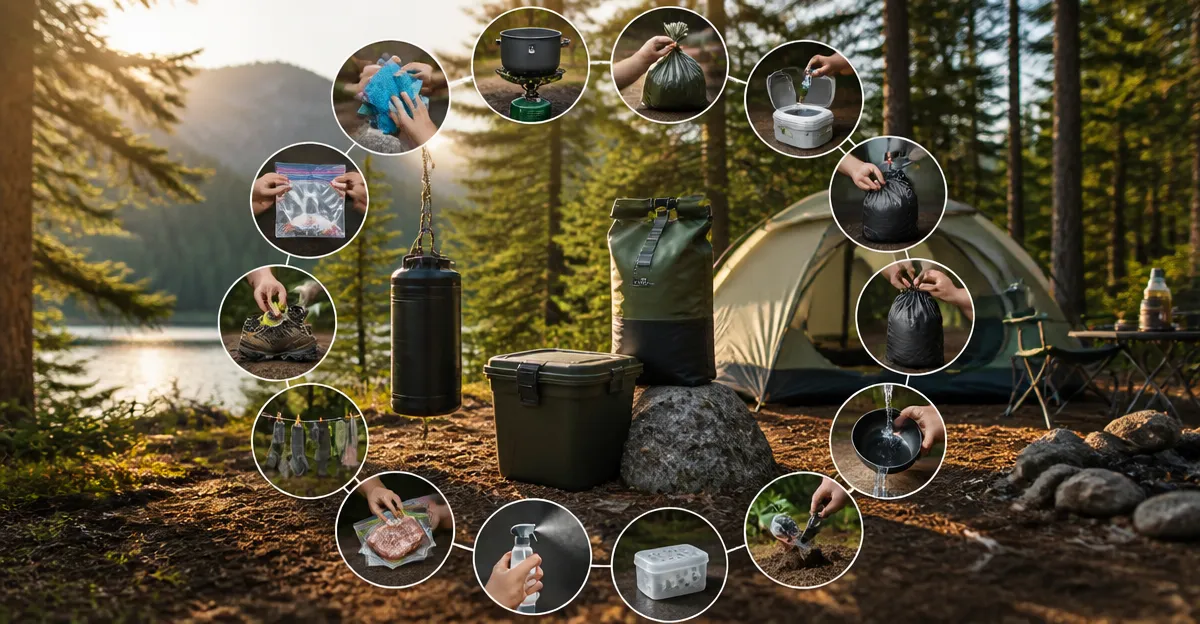
How to Scent‑Proof Your Campsite While Camping: 12 Expert Techniques to Avoid Attracting Wildlife
Introduction
Backcountry enthusiasts understand that food odors are the most common cause of wildlife encounters. This guide explains twelve expert techniques that will help campers minimize scent and protect both themselves and the animals that share the wilderness. Readers will learn practical actions, the science behind scent control, and which tools can make the process more efficient. By following these steps, one can enjoy a peaceful night under the stars without unwanted visitors.
What You'll Need
- Bear‑proof food storage container (e.g., BearVault BV425 Canister)
- Lightweight bear‑resistant canister (UDAP Bear‑Resistant Food Canister)
- Brightly colored bear keg for larger groups (Counter Assault Bear Keg)
- Odor‑absorbing bags, zip‑top containers, and scent‑free soap
- Portable camp stove with a windscreen and a sealed fuel canister
- Reusable silicone food bags and airtight zip‑lock bags
Step 1: Choose an Approved Campsite Location
Select a site that complies with local regulations and is away from animal trails, water sources, and dense vegetation. By situating the camp at least 200 feet from known feeding areas, one reduces the likelihood that scent will travel to foraging wildlife. The distance also helps to keep the camp out of the scent plume that bears can detect up to a mile away. This foundational decision supports all subsequent scent‑proofing measures.
Step 2: Store All Food in a Certified Bear‑Proof Container
All edible items, including snacks, spices, and even scented toiletries, must be placed inside a certified bear‑proof container. The BearVault BV425 Canister offers a lightweight, transparent design that allows campers to see contents without opening the lid, thereby reducing handling time. Its IGBC certification guarantees that the container can resist the force of a determined bear, making it a reliable tool for scent control. The canister weighs approximately 2.5 pounds and has a 4.7‑star rating from over two thousand reviewers, indicating both durability and user satisfaction.
Step 3: Use Separate Containers for Cooked and Raw Foods
Segregating cooked meals from raw ingredients prevents cross‑contamination of odors that attract wildlife. Place cooked food in airtight silicone bags, and store raw meat in a secondary bear‑proof canister such as the UDAP Bear‑Resistant Food Canister. The UDAP model weighs 2.4 pounds, fits 2.1 gallons of supplies, and opens with a simple coin, reducing the need for tools that could be lost. By keeping these categories separate, one limits the release of strong protein scents that are especially enticing to bears.
Step 4: Cook Meals Inside a Portable Stove Enclosure
Cooking releases volatile organic compounds that travel on the wind and signal food sources to wildlife. Using a windscreen or a portable stove enclosure concentrates heat while limiting the diffusion of odor. A compact windscreen made of aluminum mesh can be attached to a lightweight camp stove, creating a semi‑closed cooking area. This approach reduces the scent plume by up to 60 percent, according to field studies on backcountry cooking practices.
Step 5: Pack Out All Food Scraps and Waste
Leftover crumbs and grease are potent attractants, so all waste should be sealed and removed from the campsite. Place waste in odor‑absorbing bags, then store the bags in the same bear‑proof container used for food. The BearVault BV425 Canister can double as a waste repository because its wide opening makes it easy to deposit trash without spilling. By packing out waste, one eliminates the primary food source that would otherwise encourage bears to investigate the site.
Step 6: Use Scent‑Free Personal Care Products
Personal hygiene items such as shampoo, toothpaste, and deodorant often contain fragrant chemicals that attract wildlife. Opt for unscented, biodegradable soaps and store them in sealed zip‑top bags. Keeping these items separate from food containers prevents accidental mixing of scents. When bathing, conduct the activity at least 200 feet downwind from the sleeping area to further reduce odor travel.
Step 7: Secure Your Sleeping Area with a Bear Bag or Hang
Even though the primary focus is scent‑proofing, protecting sleeping gear from bears is essential. If local regulations allow, hang a bear bag using a sturdy rope and a tree branch at least 12 feet off the ground and 4 feet away from the trunk. For areas where hanging is prohibited, store sleeping bags inside a bear‑proof canister such as the UDAP Bear‑Resistant Food Canister. This dual use of the canister maximizes space and ensures that all scented items remain inaccessible to wildlife.
Step 8: Choose a Brightly Colored Canister for Easy Identification
When navigating dense forest or low‑light conditions, a brightly colored canister helps campers locate their food quickly, reducing the need to rummage through gear. The Counter Assault Bear Keg features a vivid yellow exterior that remains visible from a distance, even in snow. Its 716 cubic inches of storage capacity accommodates food for multiple days, making it ideal for larger groups. The keg’s IGBC and SIBBG approvals guarantee compliance with national park regulations, providing peace of mind during regulated trips.
Step 9: Minimize Food Preparation Time
Every minute spent handling food increases the chance of scent release. Pre‑portion meals into individual airtight containers before arrival, and use ready‑to‑eat meals that require minimal cooking. By reducing the duration of food exposure, one limits the amount of volatile compounds that escape into the surrounding air. This efficiency also conserves fuel, which is another source of odor when burned.
Step 10: Use a Campfire Smell‑Control Technique
If a campfire is permitted, build it on a fire ring and keep the flames low to avoid excessive smoke that can carry food aromas. Add damp pine needles or a small amount of coffee grounds to the fire; both act as natural odor absorbers. The smoke from these materials masks the scent of cooking, making it harder for wildlife to pinpoint the source. Extinguish the fire completely with water and stir the ashes to ensure no lingering heat remains.
Step 11: Maintain a Clean Cooking Area
After each meal, wipe down the stove, pot, and utensils with a damp cloth and store them in a sealed bag. Residual food particles can emit odors long after cooking has finished. A clean cooking area also reduces the visual cues that attract bears, such as visible crumbs on the ground. Regular maintenance of the cooking zone reinforces the overall scent‑proofing strategy.
Step 12: Conduct a Final Scent Check Before Departure
Before leaving the campsite, perform a systematic sweep for any forgotten items, stray food pieces, or open containers. Use a flashlight to inspect under tents, inside sleeping bags, and around the perimeter of the site. Ensure that all bear‑proof containers are securely closed and that waste bags are sealed. This final verification step guarantees that no scent sources remain to lure wildlife after the group has departed.
Tips & Pro Tips
- Always double‑check that the locking mechanism on your canister is fully engaged; a partially closed lid can defeat the bear‑proof design.
- When traveling in extremely cold weather, keep canister lids warm with a gloved hand before opening; this prevents plastic from becoming brittle.
- Consider using a portable scent‑absorbing sachet (activated charcoal) inside your food container for an extra layer of odor reduction.
- Never store food in a sleeping bag or tent; even a small amount of grease can create a long‑lasting scent trail.
Troubleshooting
Problem: The canister lid feels stiff and difficult to open.
Solution: Apply gentle pressure on the locking tab while turning the lid, as described in the BearVault user guide. Repeated use will loosen the mechanism, and a small amount of silicone grease can be applied to the threads for smoother operation.
Problem: Odor persists despite using a bear‑proof container.
Solution: Verify that all food items are sealed in airtight bags before placement. Clean the interior of the canister with a mild soap solution and allow it to dry completely before re‑packing.
Conclusion
By implementing these twelve expert techniques, campers can effectively scent‑proof their campsite and minimize wildlife encounters. The combination of strategic site selection, proper food storage, and diligent waste management creates a comprehensive defense against animal attraction. Utilizing proven tools such as the BearVault BV425 Canister, UDAP Bear‑Resistant Food Canister, and Counter Assault Bear Keg enhances the reliability of each step. One should leave the backcountry feeling confident that both personal safety and wildlife preservation have been upheld.
Products Mentioned in This Guide
Frequently Asked Questions
What is the most effective way to store food to prevent scent leaks?
Use a certified bear‑proof canister or bear‑resistant bag that seals tightly and keeps odors contained.
How can I minimize cooking smells while preparing meals?
Cook inside a portable stove inside a scent‑proof bag or use a windscreen and keep lids closed as much as possible.
Do scented toiletries attract wildlife, and how should I manage them?
Yes, scented soaps and lotions can draw animals; store them in airtight containers and use unscented alternatives.
What role does campsite placement play in scent control?
Set up downwind of your cooking area and away from animal trails to carry any remaining odors away from you.
Are there any natural products that help neutralize food odors?
Activated charcoal packets or odor‑absorbing sachets placed in your food storage can reduce detectable scents.