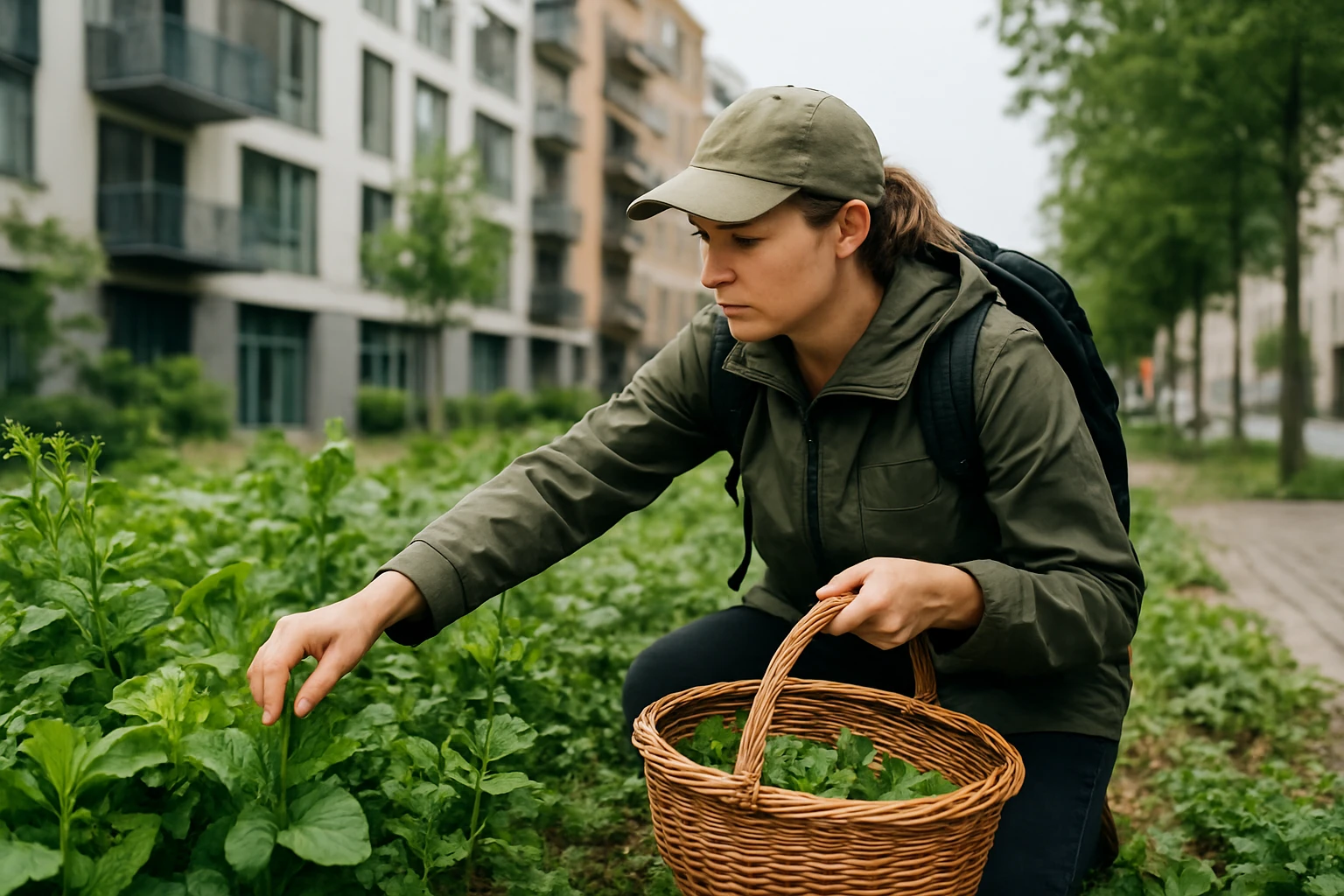

Urban Preppers' Complete Guide to Foraging Laws and Safety: Stay Legal, Stay Safe, and Find Food in the City
Introduction
The modern urban prepper often wonders whether the concrete jungle can provide edible resources during a disruption. This guide explains the legal landscape, safety considerations, and practical techniques for foraging within city limits. Readers will learn how to identify permissible foraging zones, protect themselves from hazards, and select tools that enhance efficiency without violating local ordinances. By the end of this article, one will possess a clear roadmap for turning vacant lots, parks, and community gardens into reliable food sources while remaining fully compliant with municipal regulations.
Background and Context
Foraging in urban environments differs markedly from rural wildcrafting. Municipal codes frequently restrict plant removal from public spaces, and property owners may enforce trespassing rules. Additionally, city-grown flora can accumulate pollutants such as heavy metals, pesticides, or runoff contaminants. Understanding these variables is essential before any harvest begins. Historically, city dwellers have relied on community gardens, abandoned lots, and even sidewalk cracks to supplement their diets. Modern urban resilience planning now incorporates foraging as a legitimate component of emergency preparedness, provided that it is practiced responsibly and legally.
Legal Foundations for Urban Foraging
Legal frameworks vary by jurisdiction, but three core principles apply universally:
- Public vs. Private Property: Harvesting on public land typically requires permission from the managing agency, whereas private property demands explicit consent from the owner.
- Species Protection: Certain native plants are protected under state or federal law; removing them can result in fines.
- Quantity Limits: Many cities allow limited personal use of wild edibles, often defined by weight or number of plants.
Urban foragers should consult city ordinances, park department guidelines, and local conservation statutes before entering a site. When in doubt, contact the relevant authority for clarification. Documenting permission—whether verbal or written—can protect one from potential disputes.
Safety Considerations When Foraging in the City
Safety extends beyond legal compliance. Urban environments present unique risks, including contaminated soil, traffic hazards, and aggressive wildlife such as rats or stray dogs. The following protocols mitigate these dangers:
- Conduct a Site Survey: Look for signs of chemical treatment, oil stains, or heavy traffic nearby.
- Wear Protective Gear: Gloves, sturdy shoes, and long sleeves reduce exposure to thorns, insects, and skin irritants.
- Test for Contaminants: Use a portable soil test kit if planning to consume root vegetables or leafy greens.
- Practice Good Hygiene: Wash hands and harvested items thoroughly with clean water before consumption.
By integrating these steps into every foraging outing, one minimizes health risks while preserving the integrity of the urban ecosystem.
Essential Tools for Urban Foragers
While many edible plants can be gathered with bare hands, specialized tools increase efficiency and protect both the forager and the plant. Two products stand out for their utility in city settings:
Berry Picker
The Berry Picker offers a lightweight, ergonomic solution for harvesting small berries without damaging the plant or the fruit. Its metallic comb separates berries from stems, and the raised edge prevents accidental spillage. Key specifications include a red plastic body with a metal comb, dimensions of 9 × 5 × 6 in, and a weight of 0.7 lb. Customers rate it 4.3 out of 5 stars based on 875 reviews, praising its ease of use and durability. The tool holds approximately 800‑900 blueberries per load, making it ideal for park berry patches or community garden rows.
Harvest Garden Apron
The Harvest Garden Apron combines a sturdy waist apron with multiple pockets designed for tools, seed packets, and harvested produce. Constructed from water‑resistant canvas, it features reinforced stitching and a breathable back panel for comfort during long foraging sessions. Priced at $26.99, it holds a 4.9‑star rating from 101 reviewers who highlight its ample storage and durability. The apron’s pockets can securely hold the Berry Picker, a small hand trowel, and collected edibles, keeping hands free for climbing or navigating tight spaces.
Comparison and Selection Guide
Selecting the right gear depends on personal foraging style, target species, and urban terrain. The table below contrasts the two featured products against common criteria:
| Feature | Berry Picker | Harvest Garden Apron |
|---|---|---|
| Primary Function | Collect small berries efficiently | Carry tools and harvested items |
| Material | Plastic body, metal comb | Water‑resistant canvas |
| Weight | 0.7 lb | Approximately 1.2 lb |
| Price | $9.99 | $26.99 |
| Customer Rating | 4.3/5 (875 reviews) | 4.9/5 (101 reviews) |
| Best Use Case | Park berry patches, community garden rows | All‑day foraging trips, tool organization |
For foragers whose primary focus is berry harvesting, the Berry Picker provides a cost‑effective, specialized solution. Those who require comprehensive tool management and plan extended outings will benefit more from the Harvest Garden Apron. Many users find that pairing both items creates a synergistic kit: the apron stores the picker and other essentials, while the picker maximizes berry yield.
Best Practices & Tips for Urban Foraging
Beyond gear, successful urban foraging relies on disciplined habits:
- Know Your Plant: Use a reputable field guide or mobile app to confirm edible species and avoid look‑alikes that may be toxic.
- Harvest Sustainably: Take no more than 20 % of a plant’s yield to ensure regeneration for future foragers.
- Respect Private Property: Always seek permission; leaving a courteous note can foster goodwill and future access.
- Seasonal Timing: Early morning foraging reduces heat stress and improves fruit quality, as berries are less likely to be sun‑softened.
- Document Locations: Keep a simple map of productive sites, noting soil conditions and any observed contaminants.
Implementing these practices not only safeguards personal health but also preserves urban ecosystems for the broader community.
Frequently Asked Questions
1. Is it legal to pick berries in city parks?
Legality depends on the park’s governing body. Some municipal parks allow limited personal use of wild berries, while others prohibit any removal. Always check posted signage or contact the park administration before harvesting.
2. How can I tell if a plant is contaminated?
Look for signs of chemical application such as glossy leaves, unusual coloration, or nearby pesticide containers. When uncertainty remains, use a portable soil test kit or limit consumption to plants growing in clearly uncontaminated soil.
3. What is the best way to store harvested berries?
Place berries in a breathable container, such as a mesh bag, to prevent mold. If a short‑term storage solution is needed, the Berry Picker’s raised rim can hold a sizable amount without crushing the fruit.
4. Can I use the Harvest Garden Apron for non‑foraging activities?
Yes. Its durable canvas and multiple pockets make it suitable for gardening, market shopping, or carrying tools on construction sites.
5. Are there any city ordinances that prohibit foraging for survival?
Emergency statutes in some jurisdictions may temporarily relax foraging restrictions during declared disasters. However, standard ordinances typically remain in effect, so it is prudent to have pre‑approved agreements with property owners or community garden managers.
6. How often should I clean my foraging tools?
Clean tools after each outing. The Berry Picker can be rinsed with water or placed in a dishwasher, while the apron should be machine‑washed on a gentle cycle to remove soil and pollen.
7. What are the most common edible plants found in urban settings?
Common species include wild strawberries, blackberries, dandelion greens, purslane, and chickweed. Many of these thrive in cracks, abandoned lots, and garden edges.
Conclusion
Urban foraging offers a resilient food source for preppers when practiced with legal awareness and safety diligence. By understanding municipal regulations, employing protective habits, and equipping oneself with tools such as the Berry Picker and Harvest Garden Apron, one can reliably harvest edible plants while preserving the urban environment. The knowledge and strategies outlined in this guide empower city dwellers to turn ordinary sidewalks and parks into sustainable food reservoirs.
Products Featured in This Guide
Berry Picker
Price: $9.99 | Rating: 4.3/5 (875 reviews)
Featured because it provides a specialized, ergonomic solution for harvesting small berries without damaging the plant, making it ideal for urban park foraging.
Harvest Garden Apron
Price: $26.99 | Rating: 4.9/5 (101 reviews)
Featured because its durable, water‑resistant design and multiple pockets enable urban foragers to carry tools, harvested produce, and personal items safely and comfortably.
