
Best Items to Barter After a Disaster: The Essential Survival Goods Guide
Introduction
When civil order collapses, the ability to trade valuable goods becomes a lifeline for individuals and communities alike. This guide explains which items retain high barter value, why they are indispensable, and how to acquire them responsibly. Readers will learn the underlying economics of disaster barter, see expert product recommendations, and receive actionable strategies for building a trade‑ready survival cache. By the end of the article, one will be equipped to make informed decisions that enhance personal safety and community resilience.
Background and Context
Barter economies emerge when traditional currency loses credibility, supply chains are disrupted, and basic needs dominate daily transactions. Items that provide immediate utility—such as food, medical supplies, and tools—become the de‑facto currency because they solve pressing problems without further processing. Historical examples, from post‑hurricane Puerto Rico to war‑torn regions, show that high‑quality knives, long‑lasting food, reliable medical devices, and comprehensive survival kits consistently command premium trade values. Understanding these patterns enables one to prioritize acquisitions that will retain value across a range of disaster scenarios.
Key Barter Categories and Recommended Products
Barter items can be grouped into four primary categories: cutting tools, nutrition, medical emergency devices, and all‑in‑one survival kits. Each category addresses a fundamental human need and therefore enjoys strong demand in a disrupted market. The following sections describe the essential characteristics of each category and recommend a specific product that exemplifies those qualities.
Cutting Tools
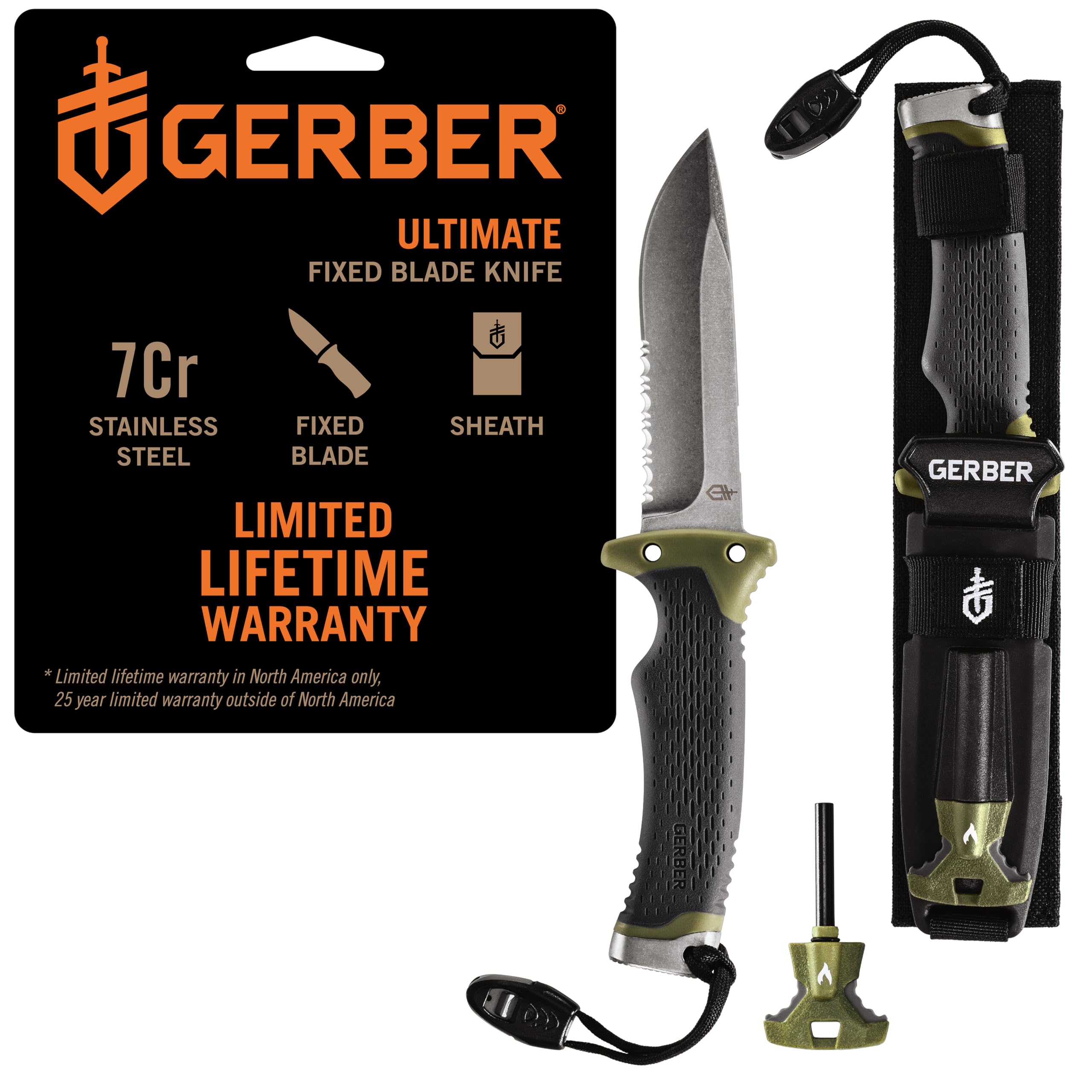
A reliable cutting instrument is indispensable for food preparation, shelter construction, and self‑defense. The ideal barter knife combines durability, multifunctionality, and ease of maintenance. Gerber Ultimate Survival Knife fulfills these criteria with a half‑serrated stainless steel drop‑point blade, a textured rubber grip for secure handling, and an integrated sheath that houses a sharpener and ferrocerium fire starter. At a price of $46.55 and a rating of 4.7 out of 5 from over 3,000 reviewers, the knife offers proven performance and a lifetime warranty, making it a highly tradable asset.
The knife’s compact dimensions—4.8 inches blade length, 10 inches overall, and 11.02 oz weight—allow it to be carried comfortably in a pocket or pack, ensuring that the owner can demonstrate its utility at any time. Its additional features, such as a hammer pommel and emergency whistle, increase its perceived value among potential trade partners who may lack such accessories. In a barter scenario, a functional knife can be exchanged for food, water purification tablets, or medical supplies, all of which are equally critical for survival.
Nutrition Supplies
Caloric density, shelf life, and ease of preparation are the three pillars of a high‑value food barter item. Freeze‑dried meals that require only water and minimal cooking time fit these criteria perfectly. The ReadyWise Emergency Food Kit supplies 120 servings of ready‑to‑eat entreés, each with a shelf life of up to 25 years. Priced at $97.99 and boasting a 4.5‑star rating from more than 10,000 customers, the kit provides a reliable source of nutrition that can sustain a small family for weeks.
Its innovative split‑bucket lid doubles as a tray, allowing quick access to individual pouches without the need for additional utensils. The variety of meals—including Cheesy Macaroni, Lasagna, Teriyaki Rice, and Chicken Noodle Soup—appeals to a broad range of palates, which enhances its barter attractiveness. Because the kit is stackable, it can be stored in a pantry, vehicle, or backpack without consuming excessive space, making it an ideal item for both long‑term storage and immediate trade.
Medical Emergency Devices
Control of severe bleeding is the most critical medical intervention in a disaster, and a proven tourniquet can mean the difference between life and death. The North American Rescue Gen 7 Tourniquet is the official tourniquet of the U.S. Army and has been validated by the Institute of Surgical Research as 100 % effective in occluding blood flow. It retails for $37.99, carries a 4.9‑star rating from nearly 6,000 reviewers, and includes a reinforced windlass, stabilization plate, and a red‑tip visual cue for rapid deployment.
The device’s one‑handed application and single routing buckle streamline training and reduce the number of windlass turns required to achieve hemostasis. Its gray tactical strap can be written on to document the time of application, a feature valued by both military personnel and civilian first‑responders. In a barter economy, a reliable tourniquet commands a premium because it directly addresses the most urgent medical need—stopping catastrophic bleeding.
All‑in‑One Survival Kits
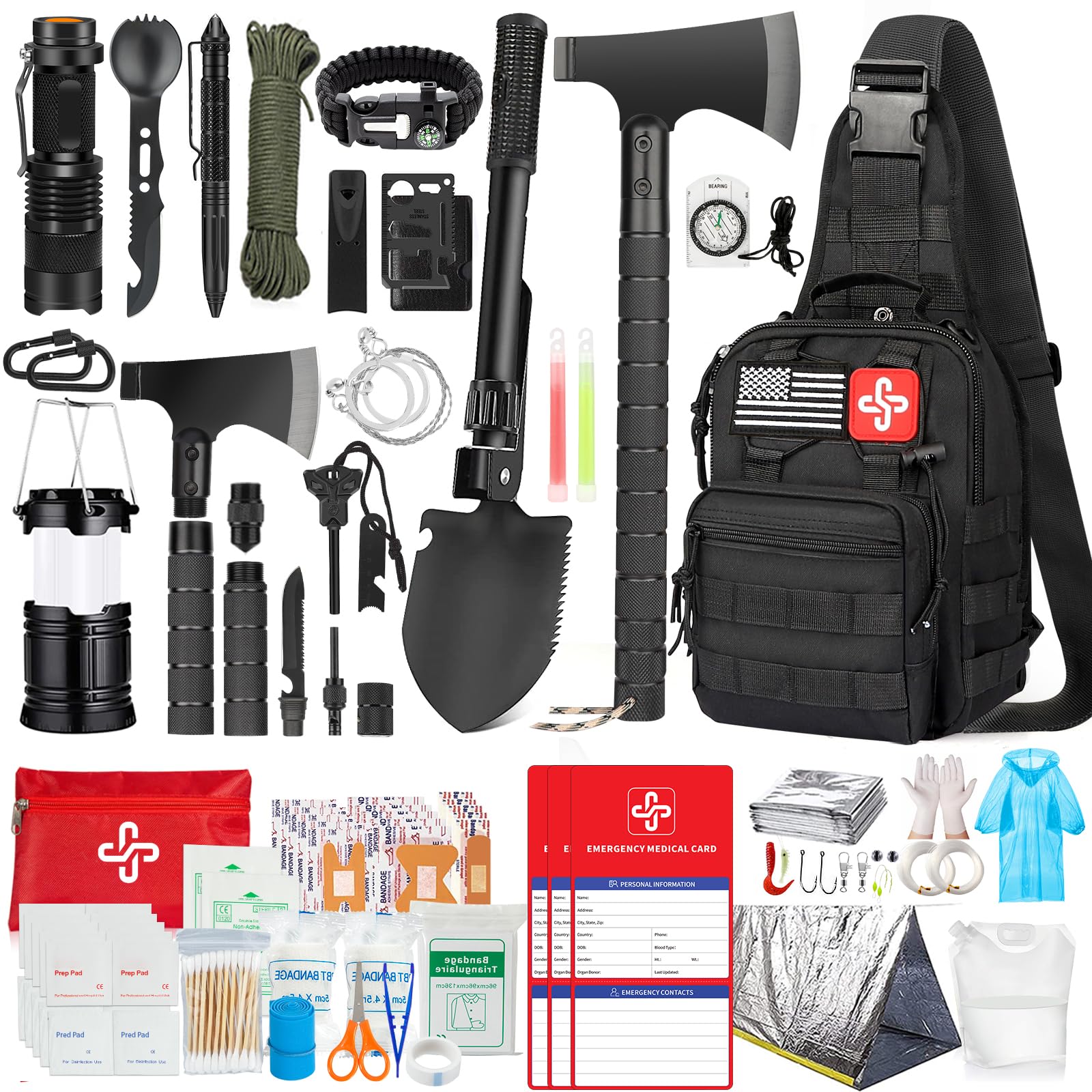
Comprehensive kits that bundle tools, first‑aid supplies, shelter components, and fire‑starting equipment provide the highest versatility for trade. The RIKOJUXI Survival Kit contains 262 pieces, including a detachable axe‑hammer, 2‑in‑1 shovel‑pick, water container, fire starter, and a fully stocked first‑aid pouch. Priced at $45.99 with a 4.6‑star rating from over 1,200 users, the kit is designed for both family preparedness and individual emergency response.
Its cross‑body bag features MOLLE‑compatible straps, allowing the owner to expand the load with additional pouches or tools, thereby increasing its trade value. The inclusion of a medical emergency card that records vital health information further differentiates this kit from generic packs, as it can assist responders in treating an incapacitated individual. When bartering, the kit can be broken down into component parts—such as the axe, water bag, or first‑aid supplies—to negotiate for specific items needed at the moment.
Comparison and Selection Guide
| Category | Product | Key Specs | Price | Rating | Barter Strength |
|---|---|---|---|---|---|
| Cutting Tool | Gerber Ultimate Survival Knife | 4.8" blade, half‑serrated, fire‑starter sheath | $46.55 | 4.7/5 | High – multifunctional, compact |
| Nutrition | ReadyWise Emergency Food Kit | 120 servings, 25‑yr shelf life, split‑lid tray | $97.99 | 4.5/5 | Very High – essential calories, long storage |
| Medical | North American Rescue Gen 7 Tourniquet | One‑handed, reinforced windlass, red tip | $37.99 | 4.9/5 | Critical – lifesaving, high demand |
| All‑in‑One Kit | RIKOJUXI Survival Kit | 262 items, axe‑hammer, shovel‑pick, first aid | $45.99 | 4.6/5 | High – versatile, modular trade options |
The table above summarizes each product’s core attributes, allowing readers to match their specific barter goals with the most suitable item. When selecting, consider the following decision points: immediate utility versus long‑term storage, weight and portability, and the likelihood of demand in your local community. For example, if space is limited, the Gerber knife offers high utility per cubic inch, whereas the ReadyWise kit excels when caloric provision is the primary concern.
Best Practices & Tips for Barter Preparation
- Maintain an inventory log that records quantity, expiration dates, and condition of each barter item.
- Store food and medical supplies in a cool, dry environment to preserve efficacy; rotate stock every 12‑18 months.
- Practice using each tool—cutting, fire‑starting, tourniquet application—to demonstrate competence during negotiations.
- Package items in reusable, waterproof containers that can be easily displayed and transported.
- Establish a network of trusted partners before a disaster strikes; reputation enhances bargaining power.
By following these guidelines, one maximizes the perceived value of their assets and reduces the risk of depreciation caused by neglect or misuse. Additionally, documenting the provenance of items—such as original purchase receipts or warranty information—can further increase trust among potential trade partners.
Frequently Asked Questions
1. Which barter item retains value the longest?
Long‑term food supplies with a shelf life of 20‑plus years, such as the ReadyWise Emergency Food Kit, typically retain the highest value because they address the universal need for calories regardless of the disaster type.
2. How many knives should I keep for effective barter?
One high‑quality multifunctional knife per household member is sufficient; additional knives can be reserved for splitting into smaller trade units or for gifting to allies.
3. Are tourniquets reusable after deployment?
Yes, the North American Rescue Gen 7 Tourniquet can be cleaned and re‑tightened, but it should be inspected for wear after each use to ensure reliability.
4. Can I barter individual components of a survival kit?
Absolutely. The modular design of the RIKOJUXI Survival Kit allows you to separate items such as the axe‑hammer, water bag, or first‑aid pouch for targeted trades.
5. How should I price my barter items?
Base pricing on current retail cost, adjust for scarcity, and consider the urgency of the market; in a severe shortage, items may command double or triple their normal value.
6. What legal considerations exist for bartering?
While barter is generally legal, certain items—especially weapons—may be subject to local regulations; ensure compliance with applicable laws before initiating trades.
7. How can I protect my barter goods from theft?
Store items in a concealed, lockable container and keep an inventory list in a separate, secure location; consider camouflage or decoy storage to deter opportunistic theft.
Conclusion
In a post‑disaster environment, the ability to trade essential goods can dramatically improve survival odds and foster community cooperation. Cutting tools, long‑lasting nutrition, proven medical devices, and comprehensive survival kits each serve as high‑value barter assets, especially when they are of reputable quality and well‑maintained. By selecting the right products, adhering to best‑practice storage and documentation, and building trustworthy networks, one can turn personal preparedness into a powerful economic advantage during crisis conditions.
Products Featured in This Guide
Gerber Ultimate Survival Knife
Price: $46.55 | Rating: 4.7/5 (3,060 reviews)
Featured for its durable half‑serrated blade, integrated fire‑starter sheath, and lifetime warranty, making it a versatile and high‑value barter tool.
ReadyWise Emergency Food Kit
Price: $97.99 | Rating: 4.5/5 (10,357 reviews)
Featured for providing 120 servings of freeze‑dried meals with a 25‑year shelf life, delivering essential calories for long‑term barter value.
North American Rescue Gen 7 Tourniquet
Price: $37.99 | Rating: 4.9/5 (5,997 reviews)
Featured as the U.S. Army’s official tourniquet, offering proven 100 % effectiveness in stopping severe bleeding, a critical medical barter asset.
RIKOJUXI Survival Kit
Price: $45.99 | Rating: 4.6/5 (1,206 reviews)
Featured for its 262‑piece comprehensive kit, including tools, first‑aid supplies, and shelter components, providing versatile trade options.