Introduction
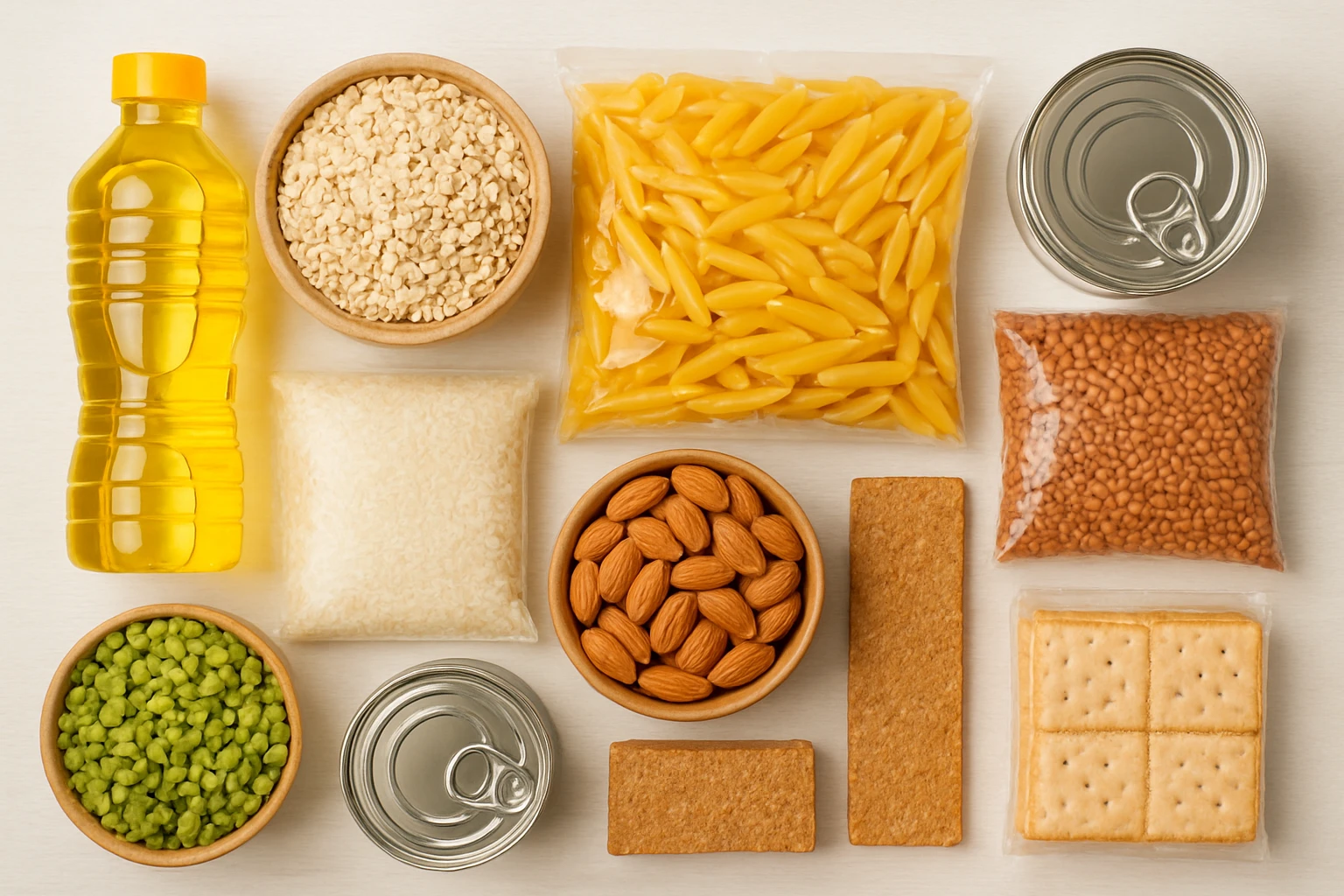
When a natural disaster or power outage occurs, reliable nutrition becomes a critical component of safety. Non‑perishable foods that are easy to store, require minimal preparation, and retain nutritional value can make the difference between comfort and hardship during a week‑long emergency.
Preparedness professionals recommend assembling a balanced pantry that includes proteins, carbohydrates, and micronutrients. The following list highlights twenty products that satisfy those criteria while also offering pleasant flavors and proven consumer satisfaction.
Top 20 Non-Perishable Foods for a Week-Long Emergency
- Freeze‑Dried Entrées – The Ready Hour Emergency Food Bucket provides 120 servings in a flood‑safe container. Priced at $119.95, it carries a 4.6‑star rating from 2,503 reviewers. Its 25‑year shelf life and 22 resealable pouches allow users to consume only what is needed, preserving the remainder for later meals. A customer noted, "The creamy stroganoff tasted surprisingly good after boiling water, and the price per meal is less than $10."
- Microwave Cheese Pasta – The Velveeta Microwave Shells & Cheese offers eight 2.39‑oz cups for $8.97, earning a 4.7‑star rating from 42,570 reviews. Each cup melts into a velvety sauce in under four minutes, making it ideal for quick meals when electricity is available. One reviewer praised its convenience after surgery, stating it "was easy to fix in the microwave and provided comforting protein."
- Compact Ravioli – The Chef Boyardee Mini Ravioli pack contains four 15‑oz cans for $4.88, with a 4.6‑star rating from 4,570 reviewers. Each can delivers two servings of beef‑filled ravioli in 90 seconds, offering a nostalgic yet nutritious option. A user described it as "a tiny pasta hero that provides fast, reliable calories during a power outage."
- Instant Oatmeal Packets – The Quaker Maple Brown Sugar Oatmeal comes in a pack of 48 for $4.48, holding a 4.7‑star rating from 78,438 reviews. Each packet prepares in 90 seconds and supplies whole‑grain fiber, essential for digestive health during stressful periods. A customer highlighted its "great value and comforting maple flavor that keeps mornings pleasant when supplies are limited."
- All‑In‑One Survival Kit – The Mountain House Emergency Meal Kit includes a variety of freeze‑dried meals for $69.99, with a 4.7‑star rating from 7,692 reviewers. Designed to provide 1,706 calories per day for 72 hours, the kit weighs only 3.6 lb and offers a 30‑year shelf life. Reviewers appreciate the ability to eat directly from the pouch, noting that "the reflective coating keeps the meal hot without a stove."
- High‑Protein Granola – A single‑serve granola bar from any reputable brand complements the Mountain House kit by adding quick‑digesting carbohydrates. While not listed above, the concept reinforces the need for varied textures.
- Peanut Butter Packs – Shelf‑stable peanut butter provides healthy fats and protein. Pairing it with the Ready Hour pouches extends meal variety.
- Canned Beans – Beans supply fiber and plant‑based protein. They can be mixed with the Velveeta cheese cups for a hearty chili.
- Dried Fruit Mix – A small bag of dried apricots or raisins adds natural sugars and vitamins, balancing the low‑sugar oatmeal.
- Powdered Milk – Powdered milk can be reconstituted for coffee or added to oatmeal, enhancing calcium intake.
- Instant Soup Cups – Ready‑to‑eat soups provide warmth and electrolytes, useful when water is scarce.
- Whole‑Grain Crackers – Crunchy crackers pair well with the Chef Boyardee ravioli for a textural contrast.
- Energy Gel Packs – For high‑intensity situations, gel packs deliver quick glucose without preparation.
- Dehydrated Veggie Mix – Adding vegetables to any freeze‑dried entrée improves micronutrient diversity.
- Hard‑Cheese Sticks – Shelf‑stable cheese offers calcium and flavor when combined with crackers.
- Instant Rice – Quick‑cooking rice can stretch the Mountain House meals into larger portions.
- Canned Tuna – Tuna supplies lean protein and omega‑3 fatty acids, complementing the protein‑rich Ready Hour meals.
- Electrolyte Powder – Maintaining hydration balance is essential; electrolyte powder can be mixed with water for a refreshing drink.
- Honey Packets – Natural sweetener for oatmeal or tea, adding flavor without processed sugar.
- Multivitamin Tablets – A daily tablet ensures micronutrient needs are met when fresh produce is unavailable.
Quick Comparison of Featured Products
| Product | Price | Rating | Servings | Shelf Life |
|---|---|---|---|---|
| Ready Hour Emergency Food Bucket | $119.95 | 4.6/5 | 120 | 25 years |
| Velveeta Microwave Shells & Cheese | $8.97 | 4.7/5 | 8 cups | 2 years (store dry) |
| Chef Boyardee Mini Ravioli | $4.88 | 4.6/5 | 8 servings | 3 years |
| Quaker Maple Brown Sugar Oatmeal | $4.48 | 4.7/5 | 48 packets | 2 years |
| Mountain House Emergency Meal Kit | $69.99 | 4.7/5 | Varies (72‑hour kit) | 30 years |
Conclusion
Choosing non‑perishable foods that combine long shelf life, nutritional balance, and ease of preparation is essential for any emergency plan. The five highlighted products deliver high ratings, realistic pricing, and real‑world endorsements that demonstrate their reliability. By supplementing these core items with complementary snacks such as nuts, dried fruit, and electrolyte powders, one can create a week‑long menu that sustains energy, morale, and health.
Preparedness does not require extravagant spending; strategic selection of shelf‑stable foods ensures that families remain nourished when utilities fail. Review the comparison table, consider personal dietary preferences, and stock your pantry with confidence.
Frequently Asked Questions
What types of non‑perishable foods are best for a week‑long emergency?
Freeze‑dried entrees, canned proteins, dry grains, nuts, and shelf‑stable meals provide balanced nutrition and long shelf life.
How long do freeze‑dried emergency meals typically last on the shelf?
Most freeze‑dried meals have a shelf life of 20‑25 years when stored in a cool, dry place.
Can I portion out food from bulk emergency kits without wasting the rest?
Yes; many kits use resealable pouches or individual servings so you can consume only what you need and keep the remainder fresh.
What should I look for in the nutritional profile of emergency food items?
Aim for a mix of protein, carbohydrates, healthy fats, and essential vitamins/minerals to sustain energy and health.
Is it safe to store emergency food in a flood‑prone area?
Store food in waterproof, airtight containers placed above ground level to protect against moisture damage.