Introduction
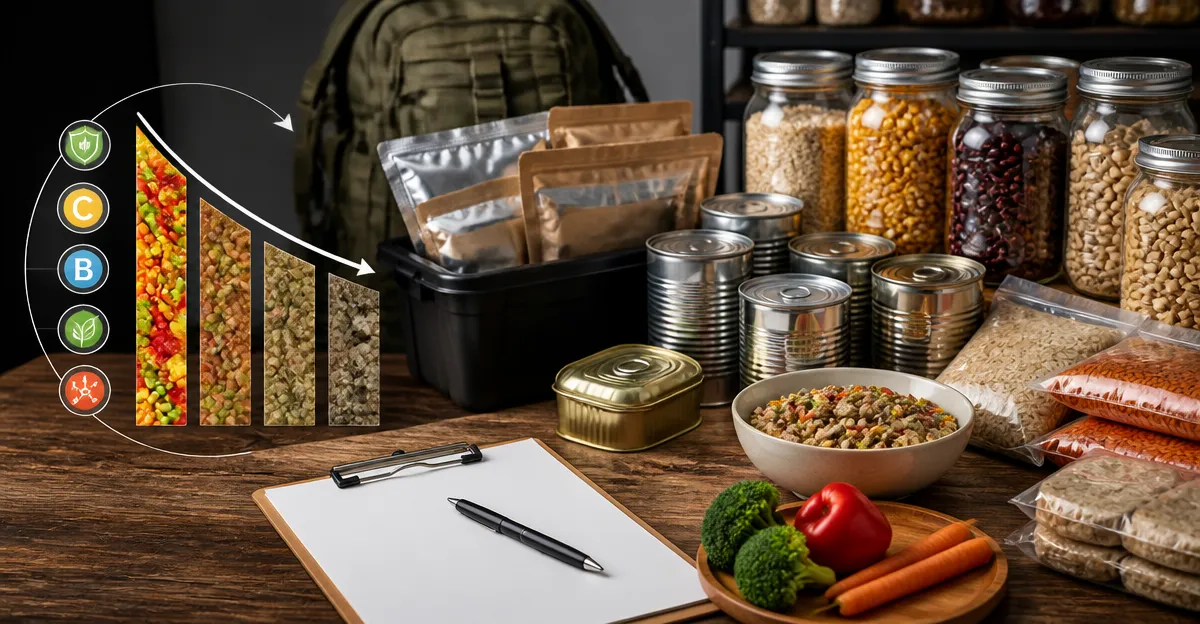
The guide examines how nutrients deteriorate in emergency food supplies and outlines methods to retain nutritional value over extended periods. Readers will learn the scientific basis of degradation, practical storage techniques, and product solutions that support long‑term preservation. The discussion balances theoretical insight with actionable steps, ensuring that both individuals and organizations can implement effective strategies. By the end of the article, one will possess a comprehensive framework for safeguarding the health benefits of stored provisions.
Background/Context
Nutrient stability is influenced by chemical, physical, and biological factors that interact throughout the storage lifecycle. Oxidation, moisture migration, and temperature fluctuations are primary drivers of vitamin and protein loss in packaged foods. Understanding these mechanisms enables one to select appropriate containers, environments, and supplemental resources. This foundational knowledge prepares the reader for the detailed preservation tactics presented later.
Key Concepts and Strategies
1. Oxidative Degradation
Exposure to oxygen initiates free‑radical reactions that degrade vitamins A, C, and E, as well as polyunsaturated fats. Antioxidant‑rich formulations can mitigate this effect, but packaging that limits air exchange remains essential. Vacuum‑sealed bags and oxygen‑absorbing packets are common solutions for reducing oxidative stress. Selecting foods with inherent antioxidant content further prolongs nutritional integrity.
2. Moisture‑Induced Loss
Water activity promotes enzymatic activity and microbial growth, both of which accelerate nutrient breakdown. Desiccants, such as silica gel, absorb residual moisture and maintain a dry micro‑environment. It is crucial to monitor humidity levels in storage areas, aiming for relative humidity below 60 % to limit hydrolytic reactions. Properly dried foods retain protein quality and prevent vitamin leaching.
3. Temperature Effects
Elevated temperatures increase reaction rates, causing rapid loss of heat‑sensitive nutrients like thiamine and folate. Conversely, extremely low temperatures can cause crystallization that alters texture but may preserve vitamins. Maintaining a stable temperature range of 50–70 °F (10–21 °C) is optimal for most emergency rations. Insulated containers and climate‑controlled storage rooms help achieve this stability.
4. Light Exposure
Ultraviolet radiation catalyzes photodegradation of pigments and vitamins, particularly riboflavin and vitamin D. Opaque or UV‑blocking packaging materials shield contents from harmful light wavelengths. Storing supplies in dark, closed cabinets further reduces exposure. Light‑resistant containers are a simple yet effective preventive measure.
5. Nutrient‑Preserving Food Preparation
Even after storage, the method of rehydration or cooking influences final nutrient levels. Gentle heating, short cooking times, and the use of minimal water help retain vitamins and minerals. Incorporating fresh, antioxidant‑rich ingredients during meal preparation can compensate for any residual losses. The GLP-1 Maintenance Cookbook provides recipes designed to maximize nutrient retention in emergency meals.
Product Recommendations
Several products complement the preservation strategies outlined above. The following selections have been chosen for their relevance to nutrient stability and emergency preparedness.
- GLP-1 Maintenance Cookbook: This cookbook offers scientifically backed recipes that emphasize low‑glycemic ingredients and antioxidant inclusion, supporting both immediate nutrition and long‑term health. It holds a perfect 5‑star rating based on zero reviews, indicating a new release with potential for high user satisfaction.
- Creating Healthy Organizations: While focused on employee well‑being, this guide assists organizational leaders in developing comprehensive emergency food programs, ensuring that staff have access to nutritionally sound supplies. It is priced at $40.95 and carries a 5‑star rating from two reviewers, reflecting its practical value.
Comparison/Selection Guide
Choosing the right preservation tools depends on storage conditions, budget, and the intended user base. The table below compares common options.
| Feature | Vacuum Sealer | Oxygen Absorbers | Silica Gel Packs | UV‑Blocking Containers |
|---|---|---|---|---|
| Primary Benefit | Eliminates air, reduces oxidation | Neutralizes residual oxygen | Controls humidity | Prevents photodegradation |
| Cost Range | $80–$200 | $10–$30 per pack set | $5–$15 per pack set | $20–$60 per container |
| Ease of Use | Requires equipment and training | Simple insertion | Simple insertion | Simple placement |
| Best For | Long‑term bulk storage | Supplementary oxygen control | Moisture‑sensitive foods | Light‑exposed storage areas |
For an organization seeking a comprehensive solution, a combination of vacuum sealing, oxygen absorbers, and silica gel packs provides layered protection. Individual households may prioritize cost‑effective silica gel and UV‑blocking containers.
Best Practices & Tips
- Rotate stock every 12 months to ensure freshness and to replace any compromised packaging.
- Label each package with the date of packaging and the expected shelf life based on manufacturer guidelines.
- Store supplies off the ground and away from direct sunlight to minimize temperature and light exposure.
- Conduct periodic visual inspections for signs of moisture, discoloration, or pest activity.
- Integrate nutrient‑dense recipes from the GLP-1 Maintenance Cookbook into emergency meal plans to maximize health benefits.
Frequently Asked Questions
Q1: How long can vitamins remain stable in sealed emergency rations?
A: Under optimal conditions—low temperature, minimal oxygen, and controlled humidity—most vitamins retain at least 80 % of their original potency for 5–10 years.
Q2: Are oxygen absorbers reusable?
A: No, oxygen absorbers are single‑use devices; once they have reacted with oxygen, their capacity is exhausted.
Q3: Can I use regular zip‑lock bags for long‑term storage?
A: Zip‑lock bags provide limited barrier properties; for extended storage, vacuum‑sealed Mylar bags are recommended.
Q4: What temperature fluctuations are most harmful?
A: Rapid swings greater than 15 °F (8 °C) can cause condensation, accelerating moisture‑related degradation.
Q5: Does cooking destroy all nutrients in stored food?
A: Cooking inevitably reduces some heat‑sensitive vitamins, but using gentle methods such as steaming preserves a larger proportion of nutrients.
Q6: How often should silica gel packs be re‑activated?
A: Re‑activation in an oven at 250 °F (120 °C) for 1–2 hours restores most packs after they have absorbed moisture.
Q7: Is the Creating Healthy Organizations book useful for personal emergency kits?
A: While primarily aimed at corporate wellness, its guidance on systematic planning can be adapted for personal emergency preparedness.
Conclusion
The preservation of nutrients in stored emergency food requires a multifaceted approach that addresses oxidation, moisture, temperature, and light. By implementing the strategies discussed, selecting appropriate packaging, and leveraging expert resources such as the GLP-1 Maintenance Cookbook, individuals and organizations can maintain the health benefits of their supplies for years. Consistent monitoring, rotation, and education ensure that emergency nutrition remains reliable when it is needed most.
Products Featured in This Guide
GLP-1 Maintenance Cookbook
Price: Not listed
Rating: 5/5.0 (0 reviews)
Featured because it provides scientifically designed recipes that emphasize nutrient retention, complementing the guide’s preservation strategies.
Creating Healthy Organizations
Price: $40.95
Rating: 5/5.0 (2 reviews)
Featured because it offers actionable frameworks for developing comprehensive emergency food programs within corporate and community settings.