Introduction
The purpose of this guide is to equip caregivers, educators, and emergency planners with a systematic approach to creating a sensory‑friendly emergency kit for individuals on the autism spectrum. Readers will learn how to assess sensory needs, select appropriate items, organize the kit for rapid deployment, and maintain it over time. The guide integrates evidence‑based strategies with practical product recommendations, ensuring that the kit supports calmness, safety, and autonomy during crises. By following the steps outlined herein, one can reduce anxiety and improve outcomes for autistic individuals in emergency situations.
Background and Context
Autistic individuals often experience heightened sensory sensitivities that can be triggered by loud noises, bright lights, unfamiliar textures, and sudden changes in routine. In emergency scenarios—such as natural disasters, power outages, or evacuation drills—these triggers may intensify, leading to meltdowns or withdrawal. Research indicates that providing predictable sensory inputs and familiar calming tools can mitigate stress responses and promote functional coping. Therefore, a purpose‑built emergency kit that addresses these sensory dimensions is an essential component of comprehensive emergency preparedness.
Assessing Sensory Needs
The first step in kit development is a thorough assessment of the individual’s sensory profile. One should document preferred calming stimuli (e.g., weighted pressure, oral motor toys, visual supports) and known aversions (e.g., high‑frequency sounds, strong fragrances). This information can be gathered through interviews with the person, caregivers, and professionals such as occupational therapists. A written sensory profile becomes the blueprint for selecting items that will genuinely support the individual during an emergency.
Essential Items for Sensory Comfort
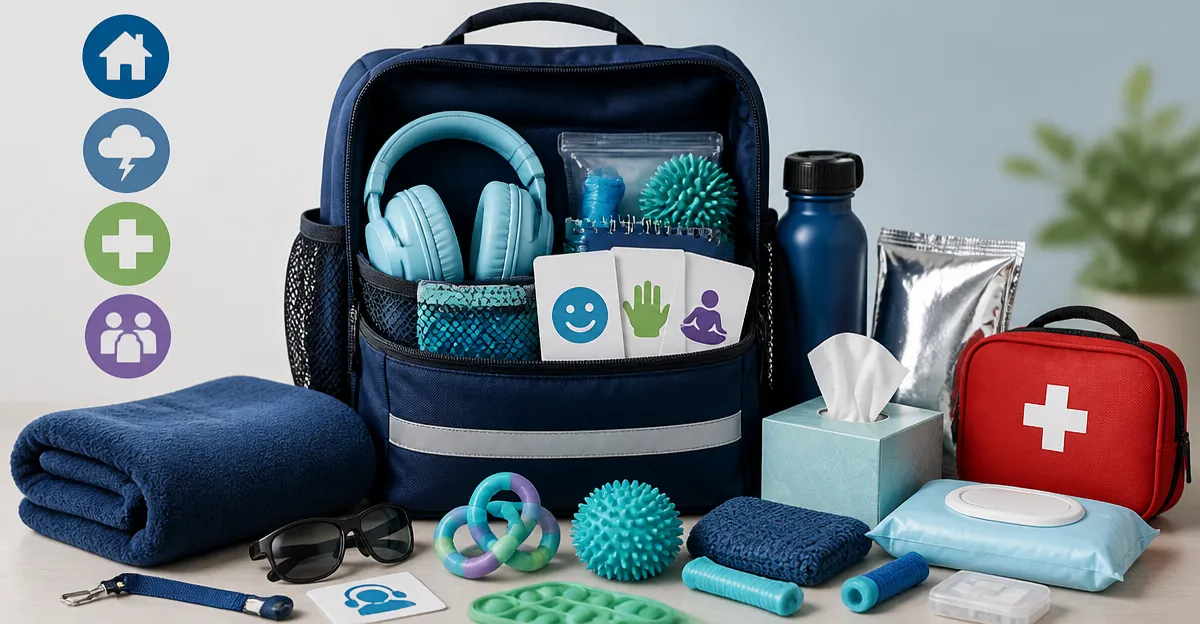
Based on the sensory profile, the kit should contain a balanced mix of tactile, auditory, visual, and oral motor aids. Recommended categories include:
- Weighted items: Small weighted blankets or lap pads provide deep pressure, which can have a calming effect.
- Noise‑reducing accessories: Ear defenders or noise‑cancelling headphones limit exposure to sudden loud sounds.
- Visual calming tools: Light‑filtering sunglasses, portable LED lanterns with dim settings, and visual schedules.
- Oral motor objects: Chewable jewelry or silicone tubes that satisfy oral sensory seeking.
- Comfort objects: A familiar plush toy or a piece of clothing with a preferred texture.
Each category should be represented by at least one portable, durable item that can be quickly accessed. The following product recommendations illustrate how high‑quality resources can enhance the kit.
Product Recommendations
The The Sensory Lifestyle Handbook offers a comprehensive framework for designing daily sensory enrichment activities. Although not a physical kit component, the handbook guides caregivers in identifying optimal sensory inputs, which directly informs kit composition. It holds a rating of 4.7 out of 5 stars from 37 reviews and is priced at $29.99, reflecting its value as a reference resource.
For families seeking concise, actionable guidance on managing sensory overload at home, Autism and Sensory Overload provides targeted strategies. This Kindle edition, rated 5 out of 5 stars from a single review, costs $4.99 and can be consulted on any device, making it readily available during emergencies.
Organizing the Kit
Effective organization ensures that the kit can be deployed within seconds. One should use a durable, clearly labeled backpack or rolling bag with separate compartments for tactile, auditory, visual, and oral items. A printed checklist—derived from the sensory profile—should be attached to the exterior of the container. The checklist serves as a quick verification tool and reduces the likelihood of forgetting essential items.
Comparison and Selection Guide
When choosing specific products, consider the following criteria:
- Portability: Items must fit comfortably within the chosen bag without adding excessive weight.
- Durability: Products should withstand rough handling and environmental exposure.
- Ease of cleaning: Many sensory items become soiled; machine‑washable fabrics are preferred.
- Customizability: Adjustable pressure levels or interchangeable sensory textures allow the kit to evolve with the individual’s needs.
For example, a weighted lap pad that offers removable inserts can be adjusted for different weight preferences, whereas a fixed‑weight blanket may be less flexible. Similarly, silicone chew tubes come in various diameters, enabling selection of the most comfortable size.
Best Practices & Tips
- Review and update the kit quarterly, especially after changes in the individual’s sensory preferences or after new product releases.
- Practice emergency drills using the kit to familiarize the autistic person with the items and the routine.
- Store a digital copy of the sensory profile and product receipts on a cloud service for quick access if the physical kit is lost.
- Include a small first‑aid kit with allergy‑safe medications, as sensory distress can sometimes manifest with physical symptoms.
- Educate all caregivers, teachers, and emergency personnel about the purpose of each item to ensure respectful handling.
Frequently Asked Questions
1. How often should the sensory kit be refreshed? It is advisable to review the contents every three months and replace worn items or those that no longer match the sensory profile.
2. Can the kit be used for non‑emergency situations? Absolutely; the same items can support daily routines, school transitions, and therapeutic sessions, thereby maximizing value.
3. What size bag is optimal? A medium‑sized backpack (approximately 20‑L capacity) balances portability with sufficient space for weighted items and accessories.
4. How can one manage sensory needs when electricity is unavailable? Battery‑operated LED lights with dim settings, non‑electronic weighted blankets, and chewable silicone toys function without power.
5. Are there any legal considerations for including medication in the kit? Caregivers should carry a physician’s note and keep medications in original packaging to comply with local regulations.
Conclusion
This guide has outlined a systematic approach to creating a sensory‑friendly emergency kit that respects the unique needs of autistic individuals. By assessing sensory profiles, selecting evidence‑based items, organizing the kit for rapid deployment, and maintaining it through regular reviews, caregivers can enhance safety and reduce anxiety during crises. The referenced resources—The Sensory Lifestyle Handbook and Autism and Sensory Overload—provide valuable knowledge that complements the practical recommendations presented herein.
Products Featured in This Guide
The Sensory Lifestyle Handbook
Price: $29.99
Rating: 4.7/5 (37 reviews)
Featured because it provides a thorough framework for identifying sensory preferences, which is essential for tailoring the emergency kit to the individual.
Autism and Sensory Overload
Price: $4.99
Rating: 5/5 (1 review)
Featured because it offers concise, actionable strategies for managing sensory overload at home, supporting caregivers during emergency preparation.