Insulin-Dependent Pets Emergency Kit: The Ultimate Guide & Checklist for Diabetic Dogs & Cats
Introduction
Pet diabetes requires vigilant daily management, but emergencies can arise when owners are away or when unexpected injuries occur. This guide explains how to assemble a complete emergency kit that supports insulin‑dependent dogs and cats, ensures rapid response to hypoglycemia or injury, and reduces stress for both pet and caregiver. Readers will learn essential medical supplies, recommended products, selection criteria, and practical tips for travel, outdoor adventures, and routine care.
By the end of this article, one will have a detailed checklist, a clear understanding of each component, and confidence to act swiftly during a crisis.
Background / Context
Canine and feline diabetes mellitus is a chronic condition characterized by insufficient insulin production or resistance. Insulin‑dependent pets require regular injections, glucose monitoring, and a stable diet. In emergencies, low blood glucose (hypoglycemia) can cause seizures, weakness, or loss of consciousness, while injuries may demand immediate wound care to prevent infection.
Veterinarians recommend keeping a portable kit that includes insulin, syringes, glucose sources, and basic first‑aid supplies. The kit should be lightweight, waterproof, and organized for rapid access, especially during travel or outdoor activities.
Understanding the disease mechanism helps owners anticipate potential complications. For example, a stressed dog may experience a spike in blood glucose, whereas a cat that misses an insulin dose may become lethargic. The emergency kit bridges the gap between routine care and urgent intervention.
Essential Supplies for Insulin‑Dependent Pets
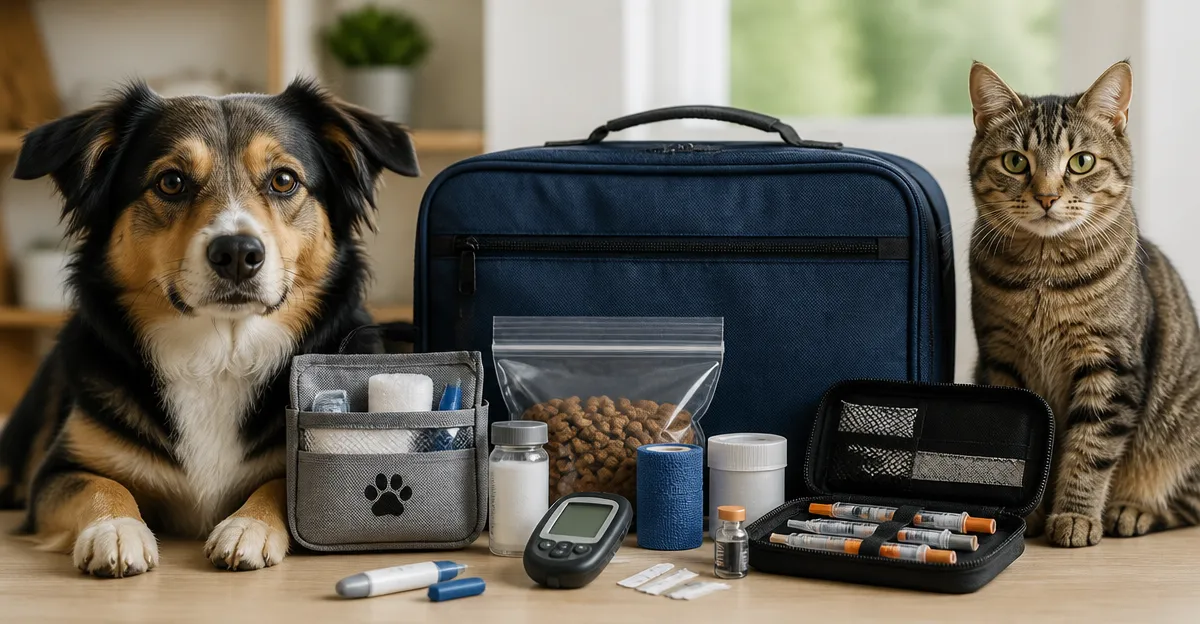
The core of any diabetic pet emergency kit consists of medication, monitoring tools, and nutritional support. Below is a concise list of items that should be stored in a dedicated, insulated pouch.
- Insulin vials or pens – store in a temperature‑controlled container; most manufacturers recommend refrigeration but allow short periods at room temperature.
- Syringes or pen needles – have a variety of sizes (0.3 ml to 1 ml) to accommodate different dose requirements.
- Glucose gel or tablets – fast‑acting carbohydrate sources for hypoglycemia, such as honey‑flavored glucose gel.
- Digital thermometer – monitor body temperature after seizures or injuries.
- Pet‑specific first‑aid supplies – gauze, bandages, antiseptic wipes, and styptic powder.
While many owners already possess medication, the following products enhance the overall preparedness of the kit.
For comprehensive wound care, the ARCA PET First Aid Kit includes a digital thermometer, muzzle, tick kit, emergency flashlight, and a mini pouch for quick access. Its vet‑endorsed status and 4.8‑star rating from 1,457 reviews make it a reliable addition for diabetic pet owners who travel frequently.
Owners who prefer a more compact solution may consider the RHINO RESCUE Dog First Aid Kit. At $27.89, it weighs only 1.7 lb and features transparent dividers, making it ideal for hikers who need insulin and wound supplies in a single lightweight bag.
For a premium, vet‑approved assortment, the EVERLIT Pet First Aid Kit offers 95 pieces, a hard‑shell EVA case, and a structured layout that simplifies rapid response during a hypoglycemic episode or injury.
Monitoring and Administration Tools
Accurate glucose monitoring is essential for adjusting insulin doses during emergencies. Portable glucometers designed for veterinary use provide rapid readings from a small blood sample. Pair the glucometer with test strips stored in a moisture‑proof container.
When administering insulin, use a sterile syringe or a pen with a clear dose indicator. Keep a small notebook in the kit to record the time of each injection, dose amount, and any observed side effects. This documentation assists veterinarians in fine‑tuning the treatment plan.
In addition to glucose monitoring, a reliable digital thermometer can detect fever caused by infection. The thermometer included in the ARCA PET First Aid Kit is calibrated for both dogs and cats, ensuring precise readings in a single device.
Emergency First‑Aid Essentials
Beyond diabetes‑specific items, a well‑rounded emergency kit must address bleeding, wounds, and minor injuries that could exacerbate a pet’s condition. The following products are recommended for their efficacy and ease of use.
The Miracle Care Kwik Stop Powder is a benzocaine‑infused styptic powder that rapidly stops bleeding from nail trims, tail docking, or minor cuts. Its 4.7‑star rating from 37,318 reviews reflects widespread trust among veterinarians and groomers.
For outdoor enthusiasts, the Adventure Medical Trail Dog Kit provides a splinter picker, tick remover, triangular bandage, and cohesive elastic bandage. Although designed for dogs, the compact design can be adapted for cats with minor modifications.
All of these items should be stored in a water‑resistant pouch, labeled clearly, and inspected regularly for expiration dates.
Travel and Outdoor Considerations
Diabetic pets often accompany owners on road trips, hikes, or camping excursions. Temperature fluctuations can affect insulin potency; therefore, a insulated cooler bag with a gel pack is recommended. Place the insulin vial in the cooler, and keep the syringes in a separate dry compartment.
When traveling by car, secure the emergency kit within easy reach of the driver. The ARCA PET First Aid Kit’s compact size allows it to fit under a seat, while the RHINO RESCUE Dog First Aid Kit can be attached to a backpack strap for hands‑free access.
During extended hikes, the Adventure Medical Trail Dog Kit’s lightweight design (weighing less than 0.5 lb) ensures that essential wound‑care supplies do not add unnecessary burden. Pair it with a portable glucose gel for quick hypoglycemia treatment.
Comparison / Selection Guide
| Feature | ARCA PET First Aid Kit | RHINO RESCUE Dog First Aid Kit | EVERLIT Pet First Aid Kit |
|---|---|---|---|
| Price (USD) | $35.90 | $27.89 | $34.99 |
| Weight | Approx. 1.2 lb | 1.7 lb | 2.0 lb |
| Item Count | Includes thermometer, muzzle, tick kit, mini pouch | Gauze, tourniquet, ice pack, blanket, daily care items | 95 pieces, hard‑shell EVA case |
| Rating | 4.8/5 (1,457 reviews) | 4.7/5 (120 reviews) | 4.8/5 (275 reviews) |
| Best For | Travelers needing comprehensive emergency tools | Hikers seeking lightweight, durable kit | Owners wanting a premium, vet‑approved collection |
When choosing a kit, consider the primary use case. For daily car travel, the ARCA PET kit offers a balanced mix of medical and convenience items. For backcountry treks, the RHINO RESCUE kit’s compact dimensions and abrasion‑resistant fabric provide durability. For owners who prioritize a large inventory and professional‑grade supplies, the EVERLIT kit delivers unmatched breadth.
Best Practices & Tips
- Inspect the kit quarterly for expired medications, depleted glucose gel, and broken syringes.
- Store insulin in a temperature‑controlled container; replace if it has been above 86°F for more than two hours.
- Practice injection techniques on a soft toy to maintain confidence during real emergencies.
- Carry a copy of the pet’s medical record, including insulin type, dosage, and veterinarian contact information.
- Train all family members or travel companions on kit location, item identification, and basic wound‑care steps.
- When administering glucose for hypoglycemia, follow the 1‑gram‑per‑kilogram rule and re‑check blood sugar after 15 minutes.
- After any injury, clean the wound with sterile saline, apply the appropriate bandage from the first‑aid kit, and monitor for signs of infection.
Frequently Asked Questions
1. How long can insulin be kept at room temperature?
Most insulin vials remain stable for up to 28 days at temperatures between 59°F and 86°F. Beyond this period, potency may decline, and a new vial should be used.
2. What should I do if my cat becomes unresponsive due to low blood sugar?
Apply a glucose gel or honey directly to the gums, wait 15 minutes, and then re‑measure blood glucose. If the cat does not improve, seek veterinary care immediately.
3. Can I use human over‑the‑counter glucose tablets for my dog?
Yes, most human glucose tablets are safe for dogs, but ensure they do not contain xylitol, which is toxic to pets.
4. How often should I replace the styptic powder?
pReplace the Miracle Care Kwik Stop Powder after 12 months of storage or after exposure to moisture, as its efficacy diminishes over time.
5. Is it necessary to have a separate kit for travel versus home?
While the core components remain the same, a travel kit should prioritize lightweight, insulated containers and omit bulky items such as large blankets.
6. What signs indicate that my diabetic pet needs emergency veterinary care?
Severe lethargy, vomiting, seizures, unresponsiveness, or persistent high blood glucose (>300 mg/dL) despite treatment require immediate professional attention.
7. How can I keep my emergency kit organized?
Use color‑coded compartments, label each section, and keep a checklist on the inside lid of the kit to verify contents before each trip.
Conclusion
Preparing an insulin‑dependent pet emergency kit empowers owners to manage diabetes crises, minor injuries, and unexpected travel challenges with confidence. By selecting the appropriate first‑aid kit, maintaining insulin potency, and practicing essential skills, one can safeguard the health and well‑being of dogs and cats in any situation.
Regularly review the checklist, update supplies, and reinforce training with all caregivers. A well‑equipped, organized kit transforms a potential emergency into a manageable event, ensuring that diabetic pets continue to thrive.
Products Featured in This Guide
ARCA PET First Aid Kit
Price: $35.90 | Rating: 4.8/5 (1,457 reviews)
Featured because it combines a digital thermometer, muzzle, tick kit, and mini pouch, providing a comprehensive solution for diabetic pet owners who travel.
RHINO RESCUE Dog First Aid Kit
Price: $27.89 | Rating: 4.7/5 (120 reviews)
Featured for its lightweight, durable design and inclusion of daily care items such as a thermometer, feeding kit, and poop‑bag dispenser, ideal for outdoor excursions.
EVERLIT Pet First Aid Kit
Price: $34.99 | Rating: 4.8/5 (275 reviews)
Featured for its 95‑piece, vet‑approved inventory and hard‑shell EVA case, offering a premium, organized solution for comprehensive emergency care.
Miracle Care Kwik Stop Powder
Price: $8.99 | Rating: 4.7/5 (37,318 reviews)
Featured because it provides rapid bleeding control for nail trims and minor cuts, a critical component for diabetic pets prone to slower healing.
Adventure Medical Trail Dog Kit
Price: $22.68 | Rating: 4.8/5 (454 reviews)
Featured for its ultra‑lightweight, outdoor‑focused tools such as a splinter picker and cohesive elastic bandage, perfect for hikers with diabetic dogs.