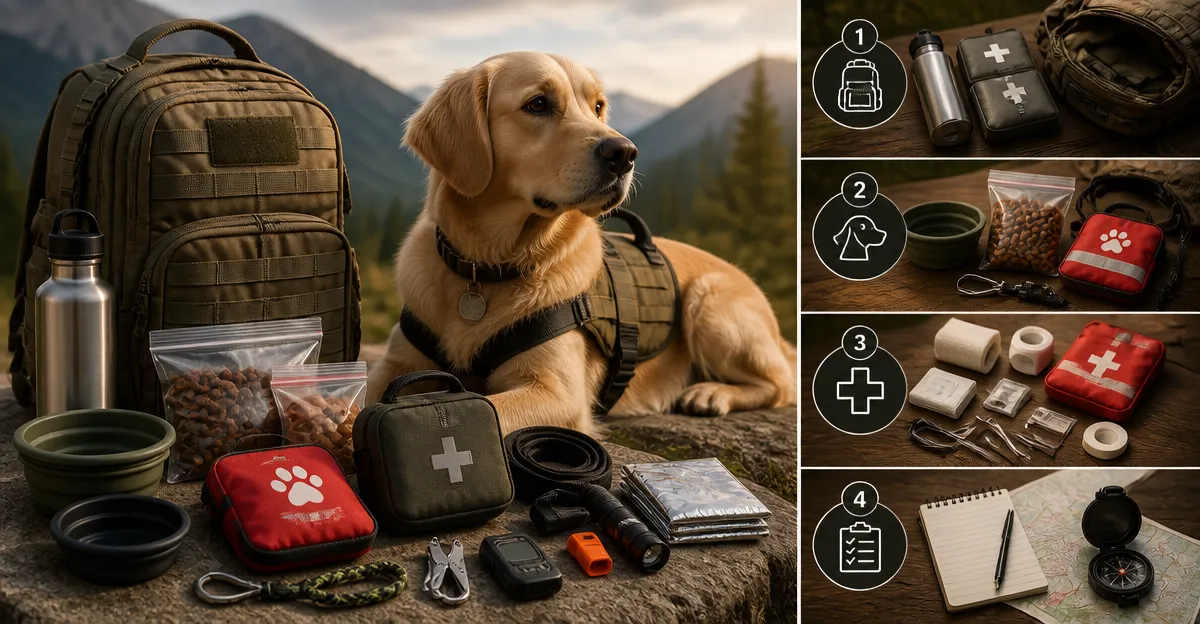
How to Build the Ultimate Bug-Out Bag for Handlers and Service Dogs: Complete Emergency Checklist & Packing Guide
Introduction
This guide explains how to create a comprehensive bug‑out bag that meets the unique needs of both a handler and a service dog. One will learn which categories of supplies are essential, how to prioritize space, and why certain tools outperform generic alternatives. The information is valuable because emergencies demand rapid, organized response, and a well‑packed bag can mean the difference between safety and distress. By following the steps, one will be prepared for natural disasters, evacuations, or unexpected wilderness encounters.
What You’ll Need
- Durable backpack or pre‑packed kit
- Water purification system
- High‑calorie, long‑shelf‑life food
- Emergency shelter and warmth items
- First‑aid supplies for humans and dogs
- Multi‑tool, navigation aids, and lighting
- Dog‑specific gear such as a collapsible water bowl and protective harness
Each item listed below includes a recommended product that satisfies the criteria while offering exceptional value. Links are provided for convenience; however, one can select comparable alternatives if preferred.
Step 1: Choose the Right Backpack
The foundation of any bug‑out system is a sturdy, comfortable backpack that can carry the combined weight of human and canine gear. One should look for a high‑capacity design with ergonomic straps, breathable back padding, and multiple compartments for organization. The Sirius Survival 72‑Hour Bug Out Bag offers a 50‑liter, heavy‑duty pack that accommodates two people and a service dog, while providing built‑in water‑resistant compartments. At $349.95 and a 4.9‑star rating from 53 reviewers, it includes pre‑packed food, a solar power bank, and a rugged frame, making it a convenient all‑in‑one solution. Its size allows room for additional dog supplies without sacrificing balance.
Step 2: Secure Reliable Water Purification
Access to safe drinking water is paramount for both handler and dog, especially when evacuation routes are uncertain. One must select a filtration method that removes pathogens, parasites, and microplastics while being lightweight and easy to use on the move. The LifeStraw Personal Water Filter provides a microfiltration membrane that eliminates 99.999999% of bacteria and 99.999% of parasites, as well as particles down to 1 micron. Priced at $13.49 with a 4.8‑star rating from 124,945 reviews, it delivers up to 4,000 liters of clean water, far exceeding typical emergency needs. Its straw‑style design requires no batteries or chemicals, making it ideal for rapid deployment.
Step 3: Pack High‑Energy Food Supplies
Energy density and shelf life are critical when selecting food for a bug‑out scenario. One should prioritize meals that are lightweight, nutritionally balanced, and resistant to temperature extremes. Freeze‑dried entrees, high‑protein bars, and dehydrated dog kibble meet these criteria. The Sirius Survival bag already contains US‑made, Coast Guard‑approved meals, but supplementing with additional canine calorie sources ensures the dog maintains stamina. Store the food in airtight, vacuum‑sealed bags to protect against moisture and pests.
Step 4: Include Emergency Shelter and Warmth
Both handler and dog require protection from the elements to prevent hypothermia or heat stress. One must choose a compact shelter system that can be erected quickly and offers insulation. A lightweight bivy sack, emergency blanket, and a thermal dog coat provide layered protection. Ensure the shelter is large enough for the dog to lie comfortably; a 2‑person tarp works well when combined with a small foam pad for the canine.
Step 5: Assemble a Comprehensive First‑Aid Kit
A dual‑purpose first‑aid kit addresses injuries common to humans and dogs, such as cuts, burns, and insect bites. One should include sterile gauze, antiseptic wipes, adhesive bandages, tweezers, and a pet‑specific wound spray. Adding a digital thermometer, a small bottle of saline solution for eye irrigation, and a few doses of canine pain relief medication completes the kit. Store all items in a waterproof pouch within the main backpack for rapid access.
Step 6: Add Multi‑Tool, Navigation, and Lighting
Versatile tools reduce the need for multiple single‑purpose items, thereby saving space and weight. A quality multi‑tool with a knife, pliers, and screwdriver, combined with a compact LED headlamp, ensures readiness for repairs and night‑time movement. Include a compact compass, a waterproof map of the local area, and a portable solar charger (already supplied in the Sirius bag) to keep electronic devices powered without reliance on the grid.
Step 7: Prepare Dog‑Specific Gear
Service dogs have unique requirements that must be addressed in the bug‑out plan. One should pack a collapsible water bowl, a lightweight harness with reflective trim, and a spare leash. Include a small roll of absorbent padding for accidents, and a few days’ worth of high‑quality dog food stored in airtight containers. A pet‑first‑aid guide and a copy of the dog’s vaccination records should also be kept in a waterproof sleeve.
Step 8: Final Packing and Checklist Review
Before sealing the bag, one must verify that weight distribution is balanced, with heavier items close to the spine and lighter items toward the top. Use the following checklist to confirm completeness: water filter, water container, food for both, shelter, first‑aid, multi‑tool, lighting, navigation, dog gear, personal documents, and extra batteries. Perform a test walk of at least 30 minutes to assess comfort and make adjustments as needed.
Tips & Pro Tips
- Rotate food and medical supplies every six months to maintain freshness.
- Practice assembling and disassembling the bag in a controlled environment.
- Label each compartment with waterproof tags for quick identification.
- Consider adding a small portable fire starter for warmth and cooking.
Troubleshooting
Problem: The LifeStraw filter clogs after initial use.
Solution: Pre‑flush the filter with a small amount of clean water before the first use, and avoid filtering highly turbid water without a pre‑filter.
Problem: The Sirius bag feels too heavy when fully loaded.
Solution: Prioritize essential items, remove non‑critical luxuries, and redistribute weight by moving lighter items to external pockets.
Conclusion
By following this systematic approach, one can assemble a bug‑out bag that safeguards both handler and service dog during emergencies. The guide emphasizes practical organization, reliable product choices, and regular maintenance to ensure readiness at all times. One is encouraged to review the checklist regularly and adapt the contents to personal and canine needs.
Products Mentioned in This Guide
Frequently Asked Questions
What essential items should be included in a bug‑out bag for both a handler and a service dog?
Pack a durable backpack, water purification, high‑calorie food, emergency shelter, human and canine first‑aid kits, a multi‑tool, navigation aids, lighting, a collapsible water bowl, and a protective harness.
How do I prioritize space when packing a bug‑out bag for a service dog?
Place the heaviest items like water and food at the bottom, keep dog‑specific gear compact and near the top, and use compression sacks to maximize volume.
Why is a dedicated water purification system important for both humans and dogs?
Both need safe drinking water to prevent dehydration and illness, and a portable purifier ensures a reliable supply in emergencies.
What type of first‑aid supplies are recommended for a service dog?
Include canine bandages, antiseptic wipes, tick removal tools, a pet‑specific pain reliever, and a copy of the dog’s medical records.
Can I use a regular backpack for a service dog’s gear, or is a specialized kit better?
A sturdy, ergonomically designed backpack works, but a pre‑packed kit with dog‑specific compartments can streamline organization and speed up evacuation.