Cold Chain Strategies for Renters Without a Reliable Freezer: A Practical Guide to Storing Medications & Perishables
Introduction
Renters often face the challenge of preserving temperature‑sensitive items when a dedicated freezer is unavailable. This guide explains how to maintain a reliable cold chain using portable equipment, proper packing techniques, and daily monitoring practices. Readers will learn the scientific basis of temperature control, evaluate three recommended products, and acquire actionable tips for everyday use. By the end of this article, one will be equipped to protect medications, vaccines, and perishable foods with confidence.
Background/Context
The cold chain refers to a temperature‑controlled supply line that prevents degradation of sensitive goods from point of origin to point of consumption. Temperature excursions can reduce medication efficacy, promote bacterial growth, and spoil nutritional value. For renters, the absence of a built‑in freezer does not eliminate the need for a stable environment; instead, it creates an opportunity to employ modular solutions. Understanding heat transfer, insulation properties, and humidity control forms the foundation for selecting appropriate tools.
Understanding Cold Chain Basics
Heat moves through conduction, convection, and radiation; insulating materials interrupt these pathways by trapping air pockets. The effectiveness of an insulated container is measured in hours of temperature retention under typical ambient conditions. A well‑designed cooler will maintain a target range of 2 °C to 8 °C for medications and 0 °C to 4 °C for most perishables. Monitoring devices such as digital thermometers provide real‑time feedback, allowing the user to intervene before a breach occurs.
Portable Insulated Solutions
For short trips or daily commutes, a high‑quality insulated backpack offers convenience and mobility. The Hulongo Waterproof Cooler Backpack provides two separate compartments, thickened 8 mm foam insulation, and a silver PEVA seal that promises up to twelve hours of cooling. At a price of $33.98 and a rating of 4.4 out of 5 from 1,864 reviews, it balances affordability with performance. Its high‑density nylon exterior is waterproof, while padded straps reduce strain during extended wear. Additional pockets and a built‑in bottle opener enhance practicality for outdoor activities.
Hard‑Body Coolers for Short‑Term Storage
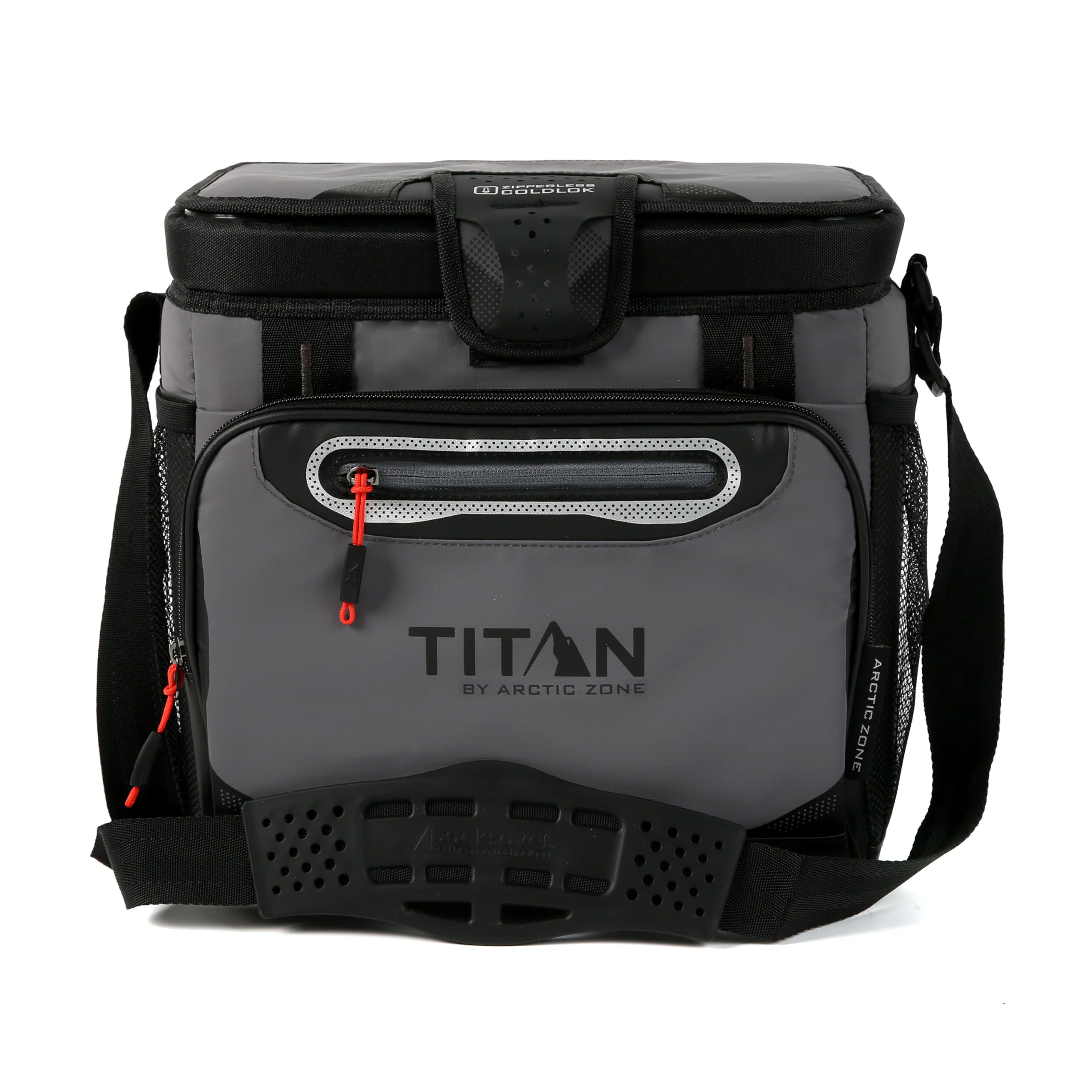
When a larger volume of items must remain cold for a day or weekend, a hard‑body cooler delivers structural support and superior insulation. The Titan Arctic Zone Deep Freeze Cooler features Deep Freeze Performance Insulation with an integrated radiant heat barrier, allowing it to keep contents cold for extended periods. It holds sixteen standard cans, measures 12.25 × 12.25 × 8 inches, and includes a removable HardBody liner with SmartShelf for separating hard and soft foods. Priced at $46.99 with a 4.6 rating from 55,778 reviews, it offers durability through low‑density polyethylene construction and a water‑ and stain‑repellent exterior. An adjustable Backsaver shoulder strap with anti‑slip padding improves transport comfort.
Mini Refrigeration Units for Extended Needs
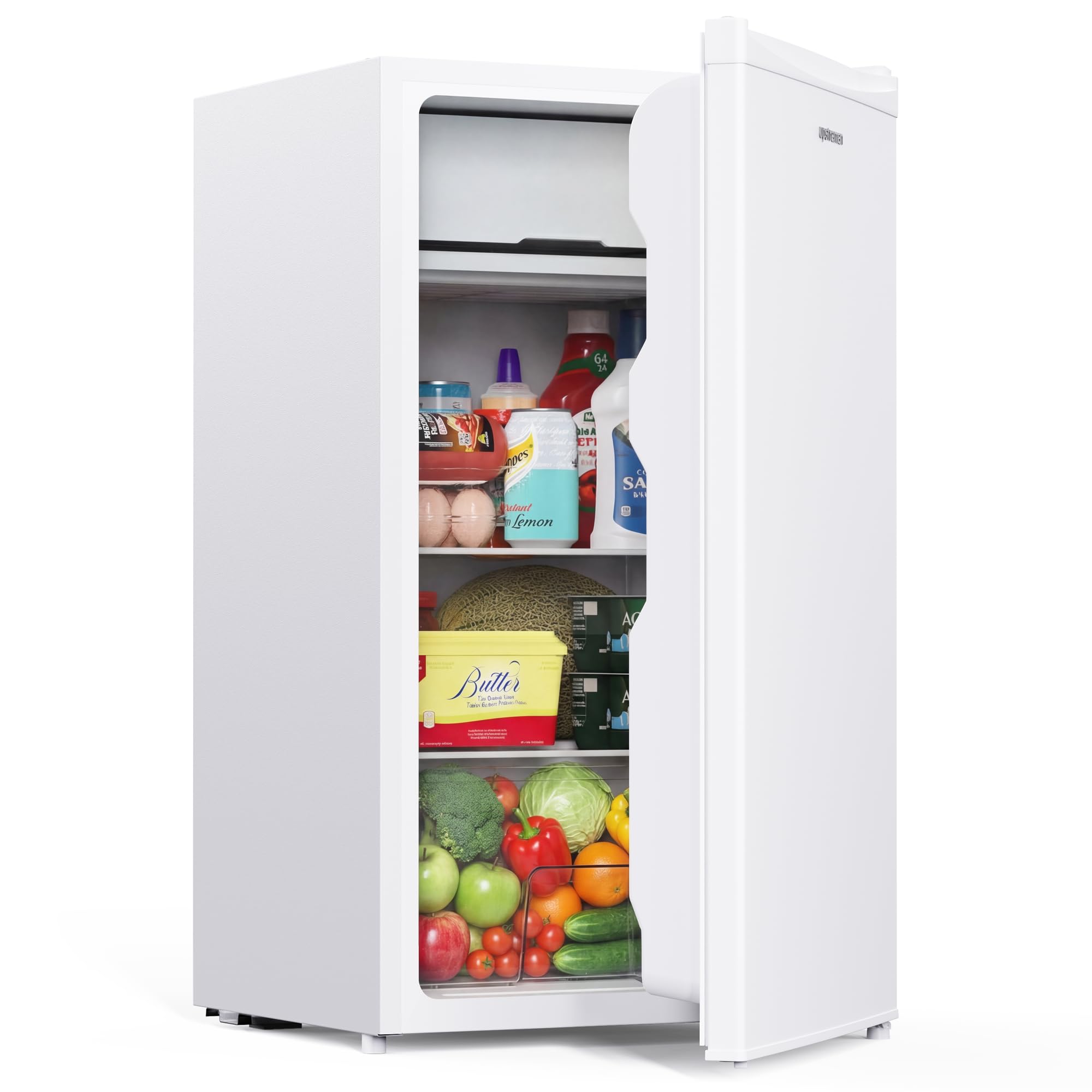
For renters who require continuous refrigeration over weeks, a compact mini fridge provides a stationary solution without occupying excessive space. The Upstreman Mini Fridge delivers 3.2 cu ft of total capacity, including a 0.3 cu ft freezer compartment. Its adjustable thermostat offers five temperature settings ranging from 32 °F to 50 °F, suitable for most medications and perishable foods. The unit operates at 38 dB, ensuring quiet operation in bedroom or office environments. With a price of $169.99 and a rating of 4.4 from 5,196 reviews, it combines energy‑efficient performance with flexible storage options such as reversible doors and adjustable glass shelves.
Comparison/Selection Guide
| Criterion | Hulongo Backpack | Titan Deep Freeze Cooler | Upstreman Mini Fridge |
|---|---|---|---|
| Primary Use Case | Day trips, hiking, beach outings | Weekend getaways, tailgates, small gatherings | Long‑term storage in apartments or dorms |
| Cooling Duration (ambient 25 °C) | Up to 12 hours | Up to 24 hours (with ice packs) | Continuous, powered refrigeration |
| Capacity | 48 cans (30 L) | 16 cans (approx. 12 L) | 48 L total, 0.3 L freezer |
| Portability | Backpack straps, lightweight | Shoulder strap, rigid shell | Stationary, requires power outlet |
| Price | $33.98 | $46.99 | $169.99 |
| Average Rating | 4.4/5 (1,864 reviews) | 4.6/5 (55,778 reviews) | 4.4/5 (5,196 reviews) |
Renters should match the product to the duration of storage, volume of items, and available power sources. For occasional outings, the backpack offers the most economical solution. For multi‑day events where ice can be replenished, the hard‑body cooler provides superior rigidity. For continuous medication storage, the mini fridge eliminates the need for ice altogether.
Best Practices & Tips
- Pre‑chill all containers and ice packs before placing them in any cooler to maximize retention time.
- Store coolers in shaded, well‑ventilated areas; direct sunlight accelerates heat gain.
- Use a digital thermometer with an alarm function to receive immediate alerts when temperature deviates from the safe range.
- Arrange items by frequency of access; keep frequently opened containers at the top to reduce temperature fluctuation.
- For mini fridges, clean the condenser coils quarterly to maintain energy efficiency and consistent cooling performance.
- When transporting medications, verify that the packaging complies with USP United States Pharmacopeia guidelines for temperature‑controlled products.
Frequently Asked Questions
- How long can a backpack cooler keep medication at 2 °C to 8 °C? With the thickened foam and PEVA seal of the Hulongo Backpack, medication can remain within the therapeutic range for up to twelve hours under typical indoor temperatures.
- Can I use regular ice cubes in the Titan Deep Freeze Cooler? Yes, the cooler accepts standard ice cubes; however, for extended trips, larger block ice or gel packs reduce melt rate and prolong cooling.
- Is the Upstreman Mini Fridge suitable for storing insulin? The fridge maintains temperatures as low as 32 °F, which aligns with most insulin storage recommendations, provided the user monitors the internal temperature regularly.
- What is the best way to sanitize a waterproof cooler? Wipe the interior with a solution of mild detergent and warm water, then rinse with a clean damp cloth; avoid submerging electronic temperature monitors.
- Do I need a separate power source for the mini fridge in a rental? The fridge operates on standard 110 V AC outlets; a portable power bank with an inverter can supply temporary power during short outages.
- How often should I replace ice packs? Ice packs should be refrozen after each use to ensure optimal thermal mass for the next trip.
- Can I combine a backpack cooler with a mini fridge for redundancy? Yes, using a backpack for transport and a mini fridge for stationary storage creates a layered approach that mitigates risk of temperature excursions.
Conclusion
Renters without a reliable freezer can still maintain a robust cold chain by selecting the appropriate portable solution, employing disciplined packing methods, and monitoring temperatures continuously. The Hulongo Waterproof Cooler Backpack excels for day‑long outings, the Titan Arctic Zone Deep Freeze Cooler offers durability for weekend excursions, and the Upstreman Mini Fridge provides continuous refrigeration for medications and perishables. By integrating these tools with the best‑practice guidelines outlined above, one can protect health‑critical items and reduce waste.
Products Featured in This Guide
Hulongo Waterproof Cooler Backpack
Price: $33.98 | Rating: 4.4/5 (1,864 reviews)
Featured because it provides up to twelve hours of cooling, waterproof construction, and ergonomic carrying options for renters on the move.
Titan Arctic Zone Deep Freeze Cooler
Price: $46.99 | Rating: 4.6/5 (55,778 reviews)
Featured because its Deep Freeze Performance Insulation and removable SmartShelf liner deliver reliable short‑term storage for larger groups.
Upstreman Mini Fridge
Price: $169.99 | Rating: 4.4/5 (5,196 reviews)
Featured because it offers continuous, adjustable refrigeration with a small freezer compartment, ideal for medication storage in rental spaces.