Emergency Kits for People with Mobility Impairments: The Complete Guide & Essential Checklist
Introduction
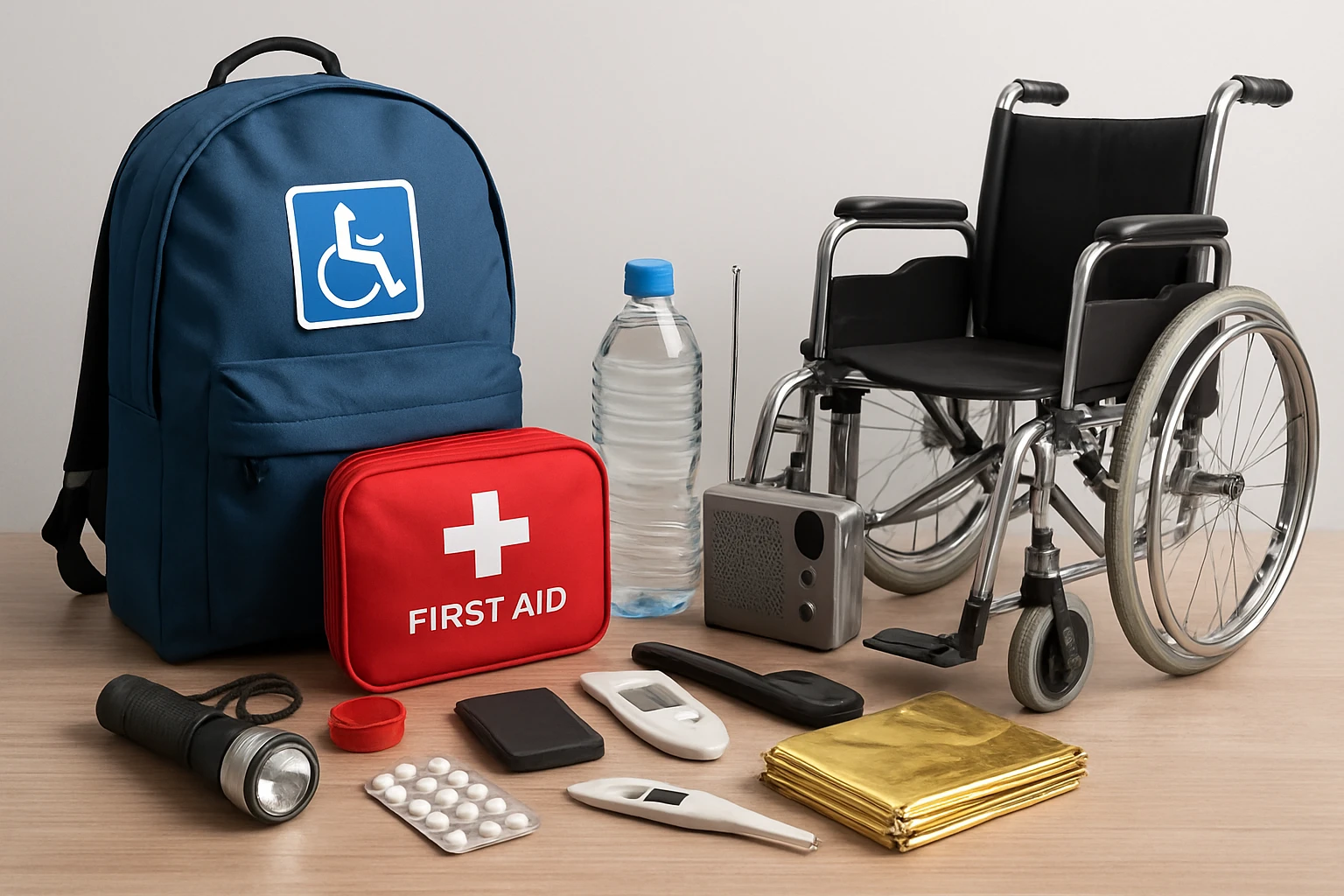
One often underestimates the complexity of preparing for emergencies when mobility is limited. This guide explains the essential components of an emergency kit designed specifically for individuals who use wheelchairs, walkers, or other assistive devices. Readers will learn the foundational concepts, recommended products, comparison criteria, and actionable best practices that ensure safety and independence during crises. By following the checklist, one can create a kit that addresses both basic survival needs and the unique challenges of reduced mobility.
Background and Context
People with mobility impairments face additional barriers during natural disasters, power outages, or medical emergencies. Limited access to transportation, the need for secure seating, and the requirement for assistive tools all influence how an emergency kit should be assembled. Statistically, individuals who rely on mobility devices experience longer evacuation times and higher risk of injury when standard kits lack specialized equipment. Understanding these risks is the first step toward mitigating them.
Emergency preparedness frameworks, such as those published by FEMA, recommend a baseline of food, water, medication, and communication tools. For mobility‑impaired populations, the baseline expands to include restraint systems, vehicle assistance devices, and portable seating solutions. The following sections integrate these considerations into a cohesive strategy.
Key Components of a Mobility‑Focused Emergency Kit
Below are the primary categories that should be represented in any comprehensive kit. Each category includes a brief explanation of its importance and a product recommendation that enhances the overall effectiveness of the kit.
1. Secure Seating and Restraint
During transport or evacuation, it is critical that a wheelchair occupant remains safely restrained to prevent falls or injuries. A reliable restraint system also enables caregivers to maneuver the chair with confidence.
The Sure Lok Wheelchair Restraint Kit provides a dual‑sprocket mechanism that allows precise tension adjustment, ensuring the webbing locks at any length. It includes four retractors, S‑hook attachment options, and a chrome‑plated handle for ergonomic use. With a rating of 4.7 out of 5 and a price of $499.95, this kit is positioned for professional or home‑care environments where safety cannot be compromised.
2. Vehicle Access Assistance
Getting in and out of a vehicle is often the most challenging step for an individual with limited strength or balance. A portable assist handle can provide the leverage needed to open doors, support weight, and even serve as an emergency tool.
The JFMkaer Car Door Assist Handle offers a compact, foldable design that fits in a door pocket or purse. It supports up to 450 pounds, includes a seat‑belt cutter and window‑breaker for emergency egress, and carries a 4.6‑star rating from 339 reviewers. Priced at $18.95, it represents a cost‑effective solution for daily travel and crisis situations alike.
3. Portable Seating and Mobility Support
When evacuation routes involve long distances or uneven terrain, a portable seat that doubles as a walking aid can reduce fatigue and prevent falls. Integrated lighting and emergency alarms further enhance safety during low‑light conditions.
The Dr@home Seated Walking Cane combines a sturdy aluminum frame, a fold‑out seat, LED pilot lights, and a USB‑powered charging port. It is rated 4.6 out of 5 based on ten reviews and costs $59.99. The cane’s adjustable height (34.28‑38.58 inches) and non‑slip rubber feet make it suitable for indoor and outdoor use, providing a versatile tool for both mobility and rest.
4. Communication and Power
Reliable communication devices, such as a charged mobile phone, a portable power bank, and a whistle, ensure that one can summon assistance when needed. Backup batteries for powered wheelchairs or mobility scooters are also essential.
While specific products are not listed in the provided data, the guide advises selecting power banks with at least 20,000 mAh capacity and waterproof, shock‑resistant radios for community alerts.
5. Personal Care and Medication
Medication management becomes more complex when mobility is limited. A waterproof, insulated medication pouch with clear labeling reduces the risk of missed doses during an emergency.
Include a list of all prescriptions, dosage instructions, and a copy of the medical history in a sealed, waterproof envelope. This documentation supports both self‑care and assistance from first responders.
Comparison and Selection Guide
| Feature | Sure Lok Wheelchair Restraint Kit | JFMkaer Car Door Assist Handle | Dr@home Seated Walking Cane |
|---|---|---|---|
| Primary Function | Wheelchair restraint and tension control | Vehicle door assistance and emergency egress | Walking aid with portable seat and lighting |
| Weight Capacity | Not specified (industrial grade) | 450 lb (204 kg) | Supports user weight up to typical adult range |
| Price | $499.95 | $18.95 | $59.99 |
| Rating | 4.7/5 (0 reviews) | 4.6/5 (339 reviews) | 4.6/5 (10 reviews) |
| Key Extras | Four retractors, dual sprocket mechanism, D‑ring attachment | Seat‑belt cutter, window‑breaker, compact size | LED pilot lights, USB charging port, emergency alarm |
The table above assists readers in evaluating which product aligns with their most pressing needs. For example, a caregiver responsible for multiple wheelchair users would prioritize the Sure Lok system despite its higher cost, whereas an individual who frequently travels by car may find the JFMkaer handle to be the most valuable addition.
Best Practices & Tips
- Conduct a quarterly inventory check to ensure that batteries are charged, medication is up to date, and all devices are functional.
- Practice using each assistive item in a controlled environment so that muscle memory develops before an actual emergency.
- Label all components with clear, large‑print tags to aid individuals with visual impairments.
- Store the emergency kit in an easily accessible location, preferably near the primary exit route of the residence.
- Coordinate with local emergency services to inform them of any specialized equipment that may require assistance during evacuation.
Frequently Asked Questions
- What should I do if my wheelchair battery depletes during an emergency? One should carry a portable power bank rated for wheelchair batteries, keep spare batteries in a waterproof container, and consider a manual wheelchair as a backup.
- Can the Sure Lok restraint system be used on all wheelchair models? The system is designed for A‑Track wheelchairs with S‑hooks; compatibility should be verified with the manufacturer before purchase.
- Is the JFMkaer handle legal to carry in all states? The handle is a passive device and does not violate any transportation regulations; however, users should verify local laws regarding emergency tools such as seat‑belt cutters.
- How often should the LED lights on the Dr@home cane be tested? One should test the lights and alarm function monthly, replacing the USB charger if any signs of wear appear.
- What additional items are recommended for a pet‑friendly emergency kit? Include a portable carrier, extra food and water, and a copy of the pet’s vaccination records in a sealed pouch.
- How can I ensure my emergency kit remains lightweight? Prioritize multi‑functional items, such as the seated walking cane, and eliminate redundant tools.
- What is the best way to train family members on using these devices? Conduct a tabletop walkthrough followed by hands‑on drills, documenting each step in a simple guide that is stored with the kit.
Conclusion
Creating an emergency kit for people with mobility impairments requires careful consideration of safety, accessibility, and practicality. By incorporating secure restraint systems, vehicle assistance handles, portable seating aids, and reliable communication tools, one can dramatically improve outcomes during crises. The checklist and product recommendations presented in this guide provide a solid foundation for building a kit that safeguards independence and promotes confidence.
Products Featured in This Guide
Sure Lok Wheelchair Restraint Kit
Price: $499.95 | Rating: 4.7/5 (0 reviews)
Featured because it provides industry‑grade restraint for wheelchair occupants, ensuring safety during transport and evacuation.
JFMkaer Car Door Assist Handle
Price: $18.95 | Rating: 4.6/5 (339 reviews)
Featured because it offers a lightweight, multifunctional solution for vehicle entry, emergency egress, and added security features.
Dr@home Seated Walking Cane
Price: $59.99 | Rating: 4.6/5 (10 reviews)
Featured because it combines walking support, portable seating, illumination, and an emergency alarm in a single compact device, ideal for evacuation scenarios.