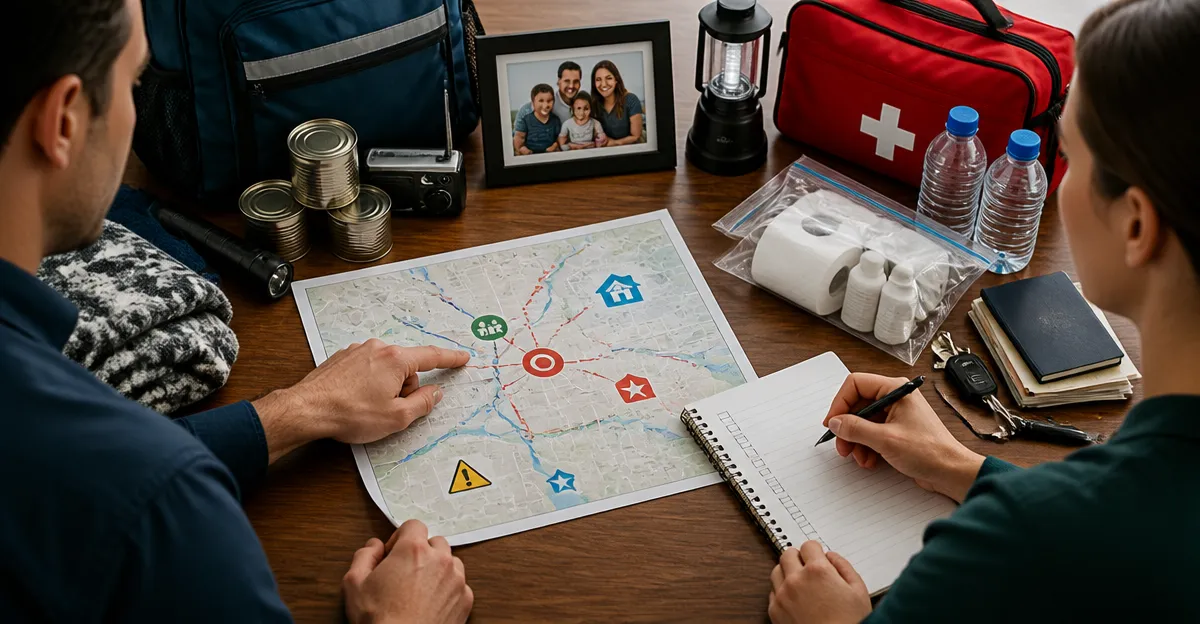
How to Create an Evacuation Custody Plan for Divorced Parents: A Complete Step‑by‑Step Emergency Guide
Introduction
The safety of children during an emergency is a paramount concern for divorced parents who share custody. This guide explains how to develop a legally sound evacuation custody plan, assess potential hazards, establish clear communication, and equip families with the right tools. Readers will learn the essential legal steps, practical strategies, and product recommendations that support a smooth evacuation. By following the structured approach, parents can protect their children while respecting court‑ordered custody arrangements.
Background/Context
Custody agreements are typically drafted for normal daily routines, yet they rarely address sudden disasters such as hurricanes, wildfires, or civil unrest. Courts expect parents to act in the best interest of the child, which includes preparedness for unforeseen events. Legal precedent shows that failure to provide a safe environment during an emergency can be interpreted as neglect. Therefore, an evacuation custody plan must align with existing custody orders while incorporating emergency management principles.
Understanding Custody Rights and Obligations
Divorced parents must first review the written custody order to identify clauses that discuss relocation, travel, or emergency situations. If the order is silent, the parent should seek a court modification or a written consent from the co‑parent. Documentation of the plan, including signatures from both parents, creates a record that can be presented to authorities if needed. Maintaining transparency prevents accusations of custodial interference during a crisis.
Assessing Risks and Resources
Effective planning begins with a thorough risk assessment of the geographic area where the child resides. Parents should consult local emergency management agencies, review historical disaster data, and identify evacuation routes. In addition, each household must inventory resources such as shelter locations, medical supplies, and transportation options. A risk matrix that grades likelihood and impact helps prioritize actions and allocate resources efficiently.
Building the Evacuation Checklist
A detailed checklist ensures that no critical item is omitted when minutes count. The checklist should be divided into categories: documents, medical needs, personal items, and emergency supplies. For document organization, the GOBAGS Clear Zipper Pouches provide transparent compartments that allow quick identification of passports, birth certificates, and custody orders. Their water‑resistant TPU construction protects paperwork from moisture, and the 4‑pack offers multiple sizes for varied document dimensions. The product holds a rating of 4.7 out of 5 stars from 190 reviews and is priced at $27.99, making it a cost‑effective solution for families.
Medical necessities such as prescription medications, allergy kits, and first‑aid supplies can be stored in a dedicated pouch within the same set. The clear design enables visual confirmation that nothing has been left behind. Parents should also allocate space for a portable charger, emergency radio, and a multi‑function tool, all of which are included in the Ready America 72‑Hour Emergency Kit. This kit supplies enough food, water, and medical items for two people for three days, and its inclusion of a hand‑crank power station ensures communication capability when electricity fails. With a rating of 4.6 out of 5 stars from 493 reviews, the kit is a reliable foundation for any evacuation scenario.
For personal comfort and mobility, the Pritent Convertible Crossbody Bag offers a versatile, waterproof carrier that can be worn on either shoulder. Its adjustable strap, multiple interior pockets, and reflective detailing make it suitable for both urban evacuations and outdoor shelters. Priced competitively, the bag enhances the parent’s ability to keep essential items within reach while maintaining hands‑free movement.
Communication Protocols
Clear communication channels reduce confusion and ensure that both parents are aware of each other’s location and actions. Establish a primary method (such as a dedicated phone line or encrypted messaging app) and a secondary backup (like a two‑way radio from the emergency kit). Parents should exchange contact information for local emergency services, shelters, and trusted relatives. A shared digital document, stored in a cloud service, can list evacuation routes, meeting points, and medical information, and it should be updated regularly.
Incorporating Essential Supplies
Beyond documents and medical items, the evacuation plan must address daily necessities for children, including clothing, hygiene products, and comfort items. The GOBAGS Clear Zipper Pouches can be used to sort clothing by size, while the Ready America kit supplies emergency food bars that meet nutritional standards for children. The Pritent Convertible Crossbody Bag can hold a small blanket, a favorite toy, and a portable water bottle, ensuring emotional comfort during stressful transitions.
Comparison/Selection Guide
When selecting products for an evacuation custody plan, parents should evaluate three criteria: durability, capacity, and ease of use. The table below compares the three featured products against these criteria.
| Product | Durability | Capacity | Ease of Use | Price |
|---|---|---|---|---|
| GOBAGS Clear Zipper Pouches | Water‑resistant TPU, reinforced seams | Multiple sizes for documents and small tools | Smooth zippers, transparent panels | $27.99 |
| Ready America 72‑Hour Emergency Kit | Sturdy waterproof bag, metal tools | Supplies for two adults for 72 hours | Pre‑packed, ready to deploy | Varies by retailer |
| Pritent Convertible Crossbody Bag | Abrasion‑resistant, waterproof fabric | Medium volume with multiple interior pockets | Adjustable strap, quick‑access compartments | Varies by retailer |
Parents who prioritize document protection should select the GOBAGS pouches, whereas those seeking an all‑in‑one survival solution may favor the Ready America kit. For daily carry and mobility, the Pritent bag offers the best ergonomic design.
Best Practices & Tips
- Review and rehearse the evacuation plan with the child at least twice a year.
- Store copies of the custody order in a fire‑proof safe and in one of the GOBAGS pouches.
- Rotate food and water supplies in the Ready America kit every six months to maintain freshness.
- Test the hand‑crank power station before an emergency to ensure it generates sufficient charge.
- Label each pouch and bag with the child’s name and a contact number to prevent loss.
- Maintain a printed checklist in the vehicle and a digital version on a smartphone.
Frequently Asked Questions
- What legal steps are required to modify a custody order for emergencies? Parents must file a petition with the family court, provide evidence of the risk, and obtain a written amendment that outlines temporary relocation procedures.
- How often should the evacuation plan be updated? The plan should be reviewed after any change in residence, school, or significant life event, and at least annually to incorporate new hazards.
- Can the Ready America kit be used for a single parent? Yes; the kit contains supplies for two adults, allowing a single parent to share resources with a child or another caretaker.
- What is the best way to protect electronic documents? Store them in a waterproof, shock‑resistant pouch such as the GOBAGS Clear Zipper Pouches and back up files to a secure cloud service.
- How can parents ensure the child feels safe during evacuation? Include familiar items like a favorite toy, maintain a calm tone, and explain each step in age‑appropriate language.
- Is a crossbody bag appropriate for children? The Pritent Convertible Crossbody Bag is designed for adults but can be used by older children under supervision to carry personal items.
- What should be done if the co‑parent does not respond during an emergency? Follow the communication protocol, document attempts, and, if necessary, contact law enforcement or a family law attorney for guidance.
Conclusion
Creating an evacuation custody plan requires a blend of legal diligence, risk assessment, clear communication, and practical preparedness. By reviewing custody orders, establishing documented routes, and equipping families with reliable tools such as the GOBAGS Clear Zipper Pouches, Ready America 72‑Hour Emergency Kit, and Pritent Convertible Crossbody Bag, divorced parents can safeguard their children during unforeseen crises. The structured approach outlined in this guide empowers parents to act decisively, maintain compliance with court mandates, and preserve the well‑being of their children when it matters most.
Products Featured in This Guide
GOBAGS Clear Zipper Pouches
Price: $27.99 | Rating: 4.7/5 (190 reviews)
Featured because the transparent, water‑resistant pouches provide organized storage for legal documents, medical records, and small emergency tools, which is essential for an evacuation custody plan.
Ready America 72‑Hour Emergency Kit
Rating: 4.6/5 (493 reviews)
Featured because the comprehensive kit supplies food, water, medical items, and a hand‑crank power station, enabling parents to sustain themselves and their children for three days without external assistance.
Pritent Convertible Crossbody Bag
Rating: Not provided
Featured because its adjustable strap, waterproof material, and multiple interior pockets allow a parent to carry personal items, comfort objects, and emergency documents while remaining mobile during an evacuation.