Introduction
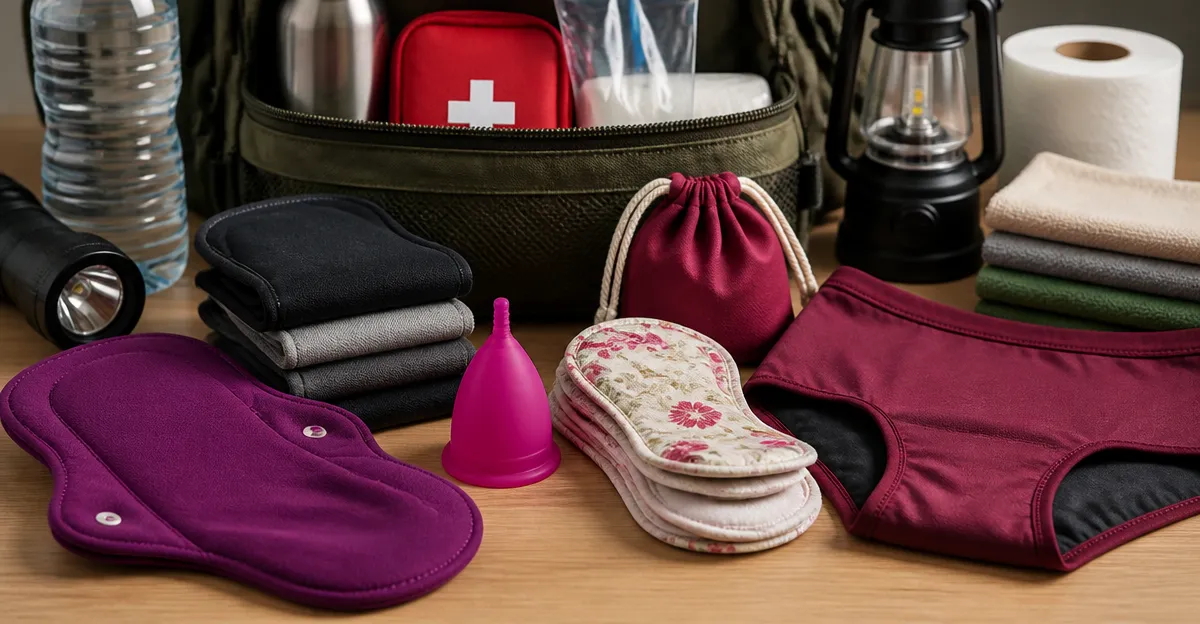
This guide provides a comprehensive overview of reusable menstrual products that are essential for emergency preparedness kits. Readers will learn the fundamental concepts, evaluate product options, and understand practical strategies for packing and using these items during crises. The article highlights two highly rated products, explains their unique benefits, and offers actionable advice for diverse situations. By the end of the guide, one will possess the knowledge to create a reliable and sustainable menstrual care solution.
Background and Context
Menstrual health remains a critical yet often overlooked component of disaster readiness. Traditional disposable supplies can become scarce when supply chains are disrupted, leading to hygiene challenges and increased risk of infection. Reusable menstrual products, such as silicone discs and cloth pads, offer durability, cost‑effectiveness, and environmental advantages. Understanding material safety, absorption capacity, and cleaning protocols is essential for confident use in emergency scenarios.
Types of Reusable Menstrual Products
Reusable menstrual solutions fall into three primary categories: silicone menstrual discs, cloth pads, and menstrual cups. Silicone discs, exemplified by the Pixie Menstrual Disc Kit, sit at the cervix and collect fluid without absorbing it, reducing the risk of toxic shock syndrome. Cloth pads, such as the Bamboo Charcoal Reusable Pad Set, consist of layered fabrics that absorb and wick moisture away from the skin. Menstrual cups, while not featured in this guide, operate on similar principles of collection and reuse.
How to Pack Reusable Products for Emergency Kits
Effective packing ensures that menstrual care remains accessible regardless of circumstances. Follow these steps to integrate reusable items into a compact, organized kit:
- Choose a waterproof container or zip‑lock bag to protect products from moisture.
- Include a small bottle of mild, fragrance‑free soap for hand washing.
- Pack a reusable wet bag, such as the one included in the Bamboo Charcoal Pad Set, for storing used pads discreetly.
- Place a compact, travel‑size sterilizing cup (provided in the Pixie Kit) to keep silicone discs clean between cycles.
- Label each compartment to facilitate quick identification during stressful moments.
By arranging items methodically, one can reduce the time required to locate supplies and maintain hygiene standards.
Product Recommendations
The following products have been selected based on rating, feature set, and suitability for emergency use.
Pixie Menstrual Disc Kit
- Price: $39.95
- Rating: 4.6 out of 5 stars (1,149 reviews)
- Includes medium and large discs, applicator, silicone‑based lube, wash solution, sterilizing cup, and wipes.
- Medical‑grade silicone is hypoallergenic, BPA‑free, and designed for up to 12‑hour wear.
- Each disc can hold the equivalent of 5‑7 tampons, reducing the frequency of changes.
- FSA and HSA eligible, allowing pre‑tax purchase.
This kit offers an all‑in‑one solution for individuals who prefer a collection method rather than absorption. The included accessories simplify insertion, cleaning, and storage, making it ideal for compact emergency kits.
Bamboo Charcoal Reusable Pad Set
- Price: CAD13.77
- Rating: 4.2 out of 5 stars (5,256 reviews)
- Contains six cloth pads of mixed prints and one mini wet bag.
- Three‑layer construction: bamboo charcoal fiber core, microfibe absorbent layer, waterproof PUL outer layer.
- Pads measure approximately 17.5 × 20 cm, suitable for light to moderate flow.
- Hand‑wash or machine‑wash with natural detergent; no bleach or fabric softener.
The pad set provides a breathable, reusable alternative that can be laundered with minimal resources. The inclusion of a wet bag supports discreet transport of used pads, a valuable feature during prolonged emergencies.
Comparison and Selection Guide
Selecting the appropriate product depends on personal comfort, flow intensity, and available cleaning facilities. The table below contrasts the two featured options across key criteria.
| Criterion | Pixie Menstrual Disc Kit | Bamboo Charcoal Reusable Pad Set |
|---|---|---|
| Method | Fluid collection at cervix | Absorption into layered fabric |
| Wear time | Up to 12 hours | Typically 4‑6 hours |
| Cleaning | Wash with supplied solution; sterilize in cup | Hand or machine wash; air dry |
| Initial cost | $39.95 | CAD13.77 |
| Reusable lifespan | Up to 10 years with proper care | Several hundred washes before wear |
| Flow suitability | Heavy to moderate | Light to moderate |
| Portability | Compact disc and accessories | Six pads + wet bag (bulkier) |
Individuals who anticipate limited water access may favour the disc for its extended wear time, while those who value fabric comfort may prefer the pad set. Both products meet high safety standards and have strong customer satisfaction.
Best Practices & Tips
Adhering to proper hygiene and handling procedures maximises the effectiveness of reusable menstrual products in emergency contexts.
- Always wash hands with soap and clean water before insertion or removal.
- For silicone discs, use the provided lube to facilitate comfortable placement.
- After each use, rinse cloth pads in cold water, then store them in the wet bag until laundering.
- When laundering, avoid bleach and fabric softener, as these chemicals degrade absorbent fibers.
- Rotate multiple pads or discs to ensure a clean unit is always available.
- Inspect products regularly for signs of wear, such as tearing or loss of elasticity, and replace as needed.
These practices reduce the risk of infection, maintain product integrity, and support sustainable menstrual care during prolonged emergencies.
Frequently Asked Questions
- 1. Can I use a menstrual disc if I have never used a tampon?
- Yes, the disc is designed for beginners; the kit includes an applicator and instructional guide to assist first‑time users.
- 2. How often should I sterilize a silicone disc?
- It is advisable to sterilize after each cycle using the provided sterilizing cup, especially when water quality is uncertain.
- 3. Are bamboo charcoal pads safe for sensitive skin?
- The pads are hypoallergenic and free of latex; however, individuals with severe allergies should perform a patch test before regular use.
- 4. What is the best way to dry cloth pads without a dryer?
- Hang them in a well‑ventilated area away from direct sunlight; this preserves the waterproof PUL layer and prevents mildew.
- 5. Can these products be used while traveling internationally?
- Both products are compact and meet airline carry‑on regulations; the wet bag complies with liquid restrictions when empty.
- 6. How does the environmental impact compare to disposable products?
- Reusable options eliminate thousands of single‑use items per year, reducing landfill waste and resource consumption.
Conclusion
Reusable menstrual products represent a resilient and sustainable choice for emergency preparedness. By understanding the functional differences between silicone discs and cloth pads, one can tailor a kit that aligns with personal comfort, flow level, and available hygiene resources. The featured Pixie Menstrual Disc Kit and Bamboo Charcoal Reusable Pad Set exemplify high‑quality, highly rated solutions that enhance preparedness. Implementing the best practices outlined in this guide will ensure reliable menstrual care, even in the most challenging circumstances.
Products Featured in This Guide
Pixie Menstrual Disc Kit
Price: $39.95
Rating: 4.6/5 (1,149 reviews)
Featured because it provides a complete, medical‑grade silicone disc system with accessories that support long‑duration wear and easy cleaning, ideal for compact emergency kits.
Bamboo Charcoal Reusable Pad Set
Price: CAD13.77
Rating: 4.2/5 (5,256 reviews)
Featured because it offers a breathable, three‑layer cloth pad system with a convenient wet bag, providing an environmentally friendly and comfortable option for moderate flow management.