15 Must-Know Edible Wild Plants for Emergency Foraging (Identify, Harvest & Use Safely)
Introduction
In a situation where conventional food supplies become unreliable, knowledge of edible wild plants can provide a vital safety net. One must understand not only how to recognize each species but also how to harvest them responsibly, preserving both the plant and the surrounding ecosystem.
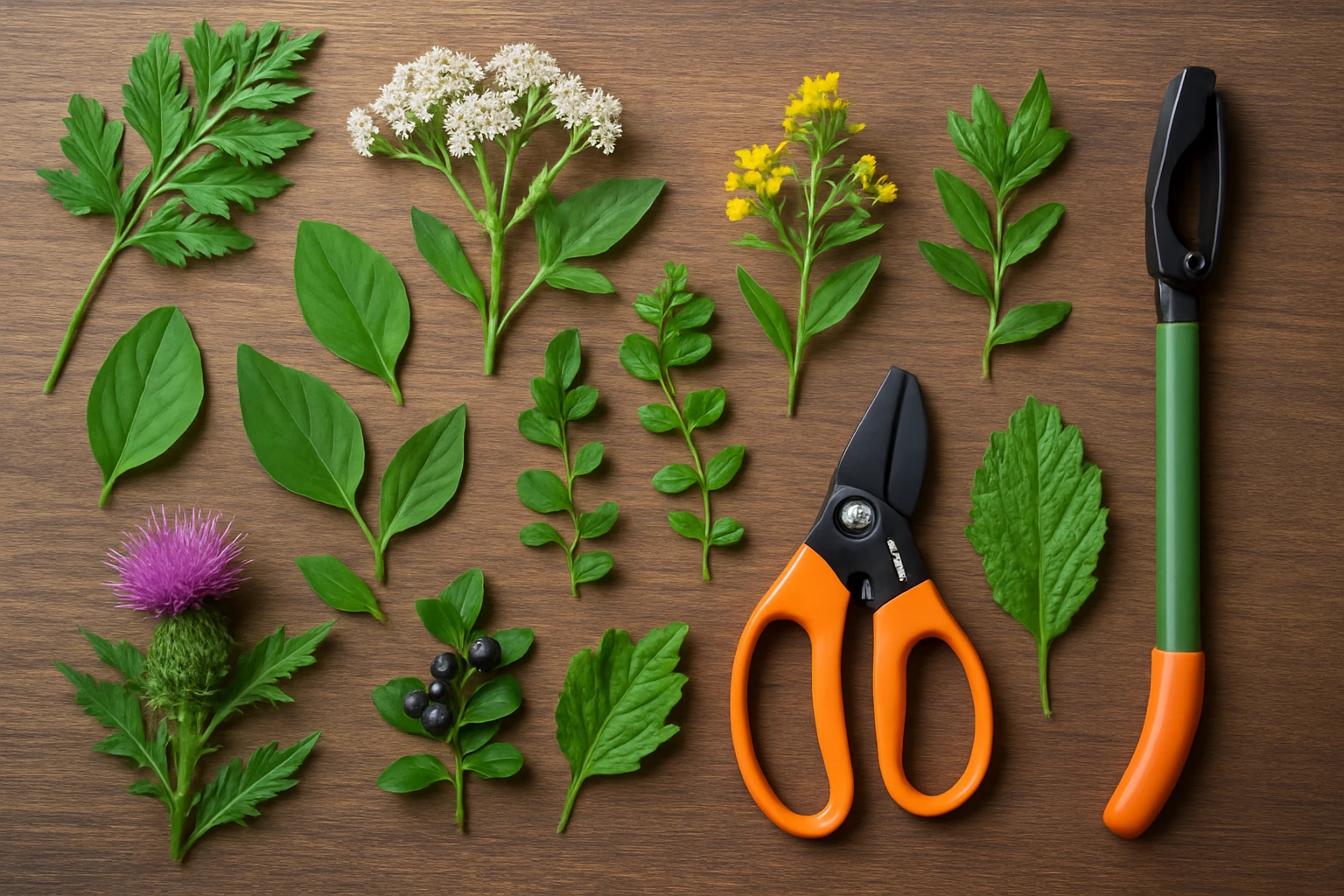
Equipping oneself with the right tools enhances efficiency and reduces the risk of injury. For example, the Fiskars Herb Garden Scissors enable precise cutting of delicate stems, while the LFSEMINI Berry Picker streamlines the collection of small fruits without crushing them.
This article presents fifteen wild edibles that are reliable, nutritious, and relatively easy to locate. Each entry includes practical foraging advice, culinary suggestions, and a recommendation for a tool that can improve the harvesting experience.
-
1. Dandelion (Taraxacum officinale)
Dandelion is ubiquitous in temperate regions, identifiable by its bright yellow flower heads and deeply toothed leaves. The leaves are rich in vitamins A, C, and K, while the roots can be roasted as a coffee substitute. Harvest the young leaves early in the season to avoid bitterness. Using Fiskars Herb Garden Scissors allows clean cuts that preserve leaf integrity, an advantage noted by a reviewer who praised the scissors for "staying sharp after many garden trips." The scissors cost $10.97 and hold a rating of 4.7 out of 5 from 2,333 reviews.
-
2. Wild Blueberries (Vaccinium spp.)
Wild blueberries thrive in acidic soils and can be found in low‑lying shrublands. Their compact size and high antioxidant content make them an excellent emergency snack. To gather large quantities without bruising the fruit, the LFSEMINI Berry Picker is ideal; its metallic comb separates berries from stems while the ergonomic handle reduces hand fatigue. One satisfied customer wrote, “I can pick for hours without sore wrists.” The picker is priced at $11.99 and carries a rating of 4.3 out of 5 from 875 reviews.
-
3. Stinging Nettle (Urtica dioica)
Stinging nettle is recognizable by its serrated leaves and tiny stinging hairs. When cooked, the hairs lose their irritant properties, and the plant becomes a nutrient‑dense source of iron and protein. Harvest the top three inches of the plant before it flowers. A sharp pair of scissors, such as the Fiskars model, reduces the need to handle the plant directly, minimizing skin contact.
-
4. Chickweed (Stellaria media)
Chickweed forms low‑lying mats with tiny white star‑shaped flowers. It is high in vitamins and can be added raw to salads or cooked like spinach. Because the stems are delicate, using precision scissors prevents tearing and maintains a tidy appearance for culinary use.
-
5. Wild Raspberries (Rubus idaeus)
Wild raspberries produce sweet, aromatic berries that are larger than most cultivated varieties. They grow on thorny canes, so protective gear is advisable. The LFSEMINI Berry Picker’s raised rim holds up to 900 berries, allowing the forager to collect without repeatedly emptying the device.
-
6. Lamb's Quarters (Chenopodium album)
Lamb's quarters are a fast‑growing leafy green that thrives in disturbed soils. Its leaves are high in calcium and can be used as a spinach substitute. Harvest with scissors to avoid pulling the plant from the root, which encourages regrowth.
-
7. Wood Sorrel (Oxalis acetosella)
Wood sorrel displays heart‑shaped leaves and delicate yellow flowers. The leaves have a pleasant lemony flavor, making them a refreshing addition to soups. Because the leaves are small, a pair of sharp shears ensures clean removal without damaging surrounding foliage.
-
8. Wild Garlic (Allium vineale)
Wild garlic, also known as crow garlic, grows in clumps with thin, hollow leaves that emit a strong onion scent when crushed. Both leaves and bulbs are edible and add depth to stews. The metallic comb of the LFSEMINI picker can be used to collect the small bulbs without crushing them.
-
9. Plantain (Plantago major)
Broadleaf plantain is a common roadside plant with flat, ribbed leaves. The young leaves are edible raw, while older leaves can be boiled to reduce bitterness. Using Fiskars scissors to trim the leaves prevents tearing, preserving their texture for salads.
-
10. Wild Blackberries (Rubus fruticosus)
Wild blackberries are larger and more flavorful than cultivated varieties. They contain high levels of vitamin C and fiber. The LFSEMINI Berry Picker’s ergonomic handle allows the forager to sweep along thorny canes while keeping hands safe from scratches.
-
11. Red Clover (Trifolium pratense)
Red clover produces dense clusters of pink‑purple flowers and trifoliate leaves. The flowers can be brewed into a nutritious tea, while the leaves are edible raw. Cutting the stems with precision scissors yields clean stems for drying.
-
12. Elderflower (Sambucus nigra)
Elderflower blooms appear as flat, creamy‑white clusters atop tall shrubs. The blossoms are used to make syrups and cordials rich in antioxidants. Harvesting the delicate flowers with scissors reduces bruising, preserving their fragrance.
-
13. Serviceberry (Amelanchier alnifolia)
Serviceberry yields sweet, blueberry‑like fruits that are safe to eat raw. The berries can be dried for long‑term storage. The LFSEMINI picker’s comb separates the berries from the tiny stems, allowing rapid collection.
-
14. Wild Asparagus (Asparagus officinalis)
Wild asparagus shoots emerge in early spring and are prized for their tender texture. They grow in clusters with a distinctive spear‑shaped tip. Cutting the spears just below the soil line with Fiskars scissors ensures the plant continues to produce new shoots.
-
15. Burdock Root (Arctium lappa)
Burdock root is a long, brownish taproot that can be harvested in the fall. It is valued for its fiber content and can be boiled or roasted. Using a sturdy pair of scissors to sever the root from the plant reduces the effort required to pull the deep‑rooted tuber.
Comparison of Recommended Tools
| Tool | Primary Use | Key Features | Price | Rating |
|---|---|---|---|---|
| Fiskars Herb Garden Scissors | Precision cutting of herbs, leaves, and stems | Stainless steel blades, soft‑grip handle, dishwasher safe | $10.97 | 4.7/5 (2,333 reviews) |
| LFSEMINI Berry Picker | Collecting small berries without crushing | Metallic comb, ergonomic handle, raised rim, dishwasher safe | $11.99 | 4.3/5 (875 reviews) |
Conclusion
Mastering the identification and harvest of edible wild plants equips individuals with a reliable source of nutrition during emergencies. By selecting appropriate tools, such as the Fiskars Herb Garden Scissors for delicate foliage and the LFSEMINI Berry Picker for berry collection, one can increase efficiency while minimizing damage to both plant and forager.
Continued practice, respect for local regulations, and sustainable harvesting techniques will ensure that these natural resources remain abundant for future generations. The fifteen plants highlighted in this article represent a solid foundation for any emergency foraging repertoire.
Frequently Asked Questions
How can I safely identify dandelion (Taraxacum officinale) in the wild?
Look for a bright yellow flower, a hollow milky stem, and a basal rosette of toothed leaves.
What are the best practices for harvesting wild edible plants without harming the ecosystem?
Harvest only a small portion of each plant, use clean tools, and avoid pulling up roots or damaging surrounding vegetation.
Which tools are most useful for emergency foraging of small berries and delicate stems?
Precision garden scissors and a lightweight berry picker allow clean cuts and minimize bruising of fruit.
How should I prepare and store foraged dandelion greens to retain nutrition?
Rinse thoroughly, trim tough stems, then sauté or blanch; store in a sealed container in the fridge for up to three days.
Are there any common poisonous look‑alikes to watch for when foraging edible wild plants?
Yes, plants like milkweed and certain nightshades can resemble edibles; always verify leaf shape, flower color, and habitat before consuming.