Emergency Planning Guide for Multi-Home Families
Introduction
Coordinating emergency preparedness for families that maintain multiple residences presents unique logistical challenges. This guide explains how to develop a unified plan that protects each household while minimizing duplication of effort. Readers will learn essential concepts, practical strategies, and product recommendations that enhance safety across all homes. By the end of the article, families will possess a clear roadmap for rapid response in any crisis.
Background and Context
Emergency planning traditionally focuses on a single dwelling, yet many families own a primary home, a vacation property, and perhaps a rental unit. Each location may differ in climate, terrain, and proximity to emergency services, requiring tailored risk assessments. Understanding the fundamentals of risk identification, communication protocols, and supply management is essential before customizing a multi‑home strategy. This section provides the foundational knowledge needed to build a resilient framework.
Assessing Risks for Each Property
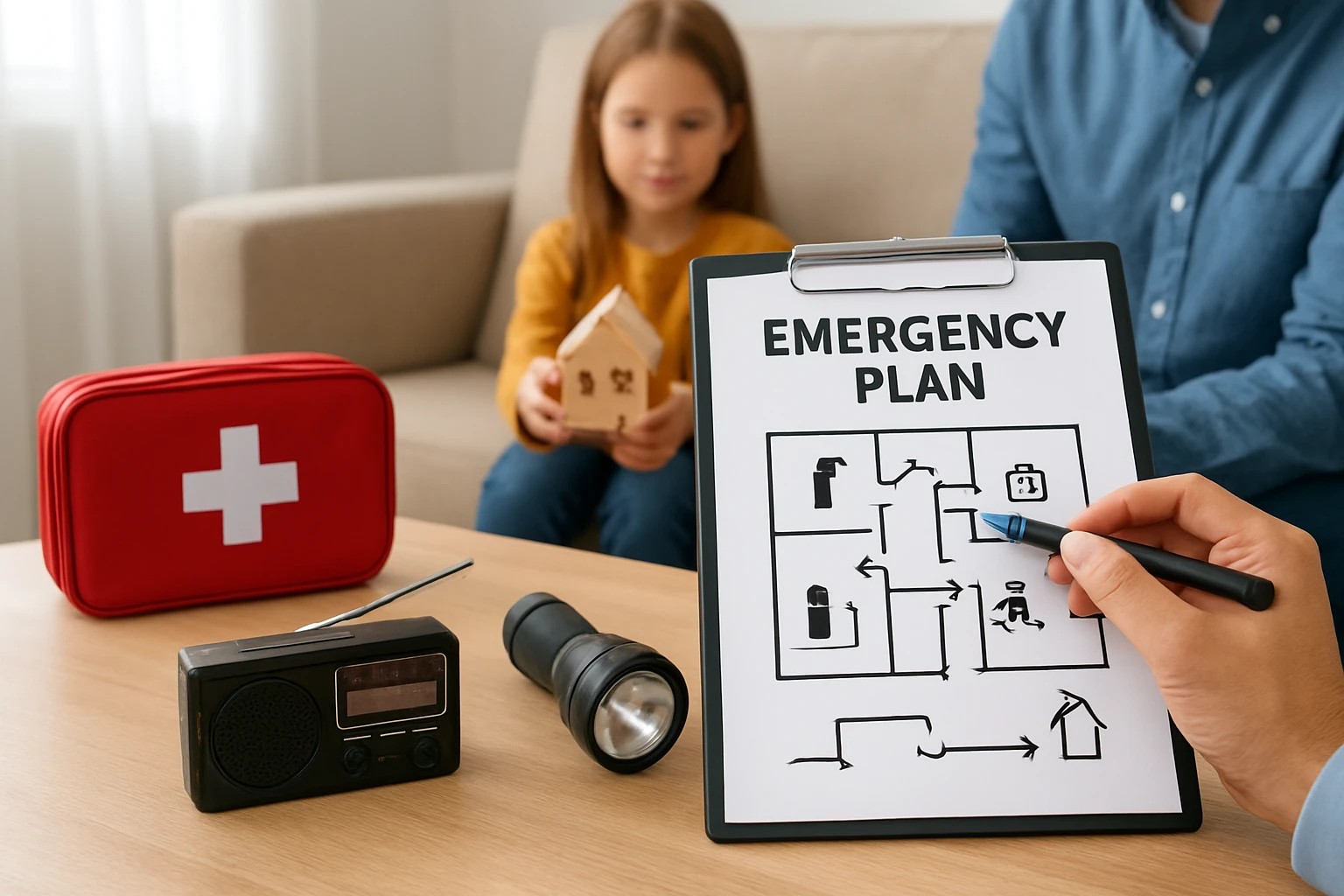
The first step is to evaluate the specific hazards that threaten each residence. Coastal homes may face hurricanes, while mountain cabins are vulnerable to wildfires or heavy snowfall. Create a checklist that includes natural threats, utility failures, and security concerns for every address. Document the findings in a shared spreadsheet so that all family members can access the information at any time.
When hazards are identified, prioritize them based on probability and potential impact. High‑probability events, such as seasonal storms, should drive the core of the emergency plan, whereas low‑probability risks can be addressed with supplemental measures. This prioritization helps allocate resources efficiently, ensuring that critical supplies are stocked first.
Establishing a Central Communication System
Effective communication is the cornerstone of any emergency response. Designate a primary contact person who will serve as the information hub during an incident. Ensure that each household has access to a reliable communication device, such as a satellite phone or a battery‑operated radio, in case cellular networks fail.
Family members should agree on a universal meeting point, whether it is a nearby shelter or a pre‑selected address. Use a group messaging app that supports offline messaging, and test the system regularly. Clear protocols reduce confusion and enable swift reunification.
Essential Supplies for Multi‑Home Families
While each property may require a unique set of items, certain supplies are universally valuable. A comprehensive first‑aid kit, a reliable emergency radio, and a portable power source form the backbone of any preparedness kit. The following product recommendations align with the needs of families that split time between several homes.
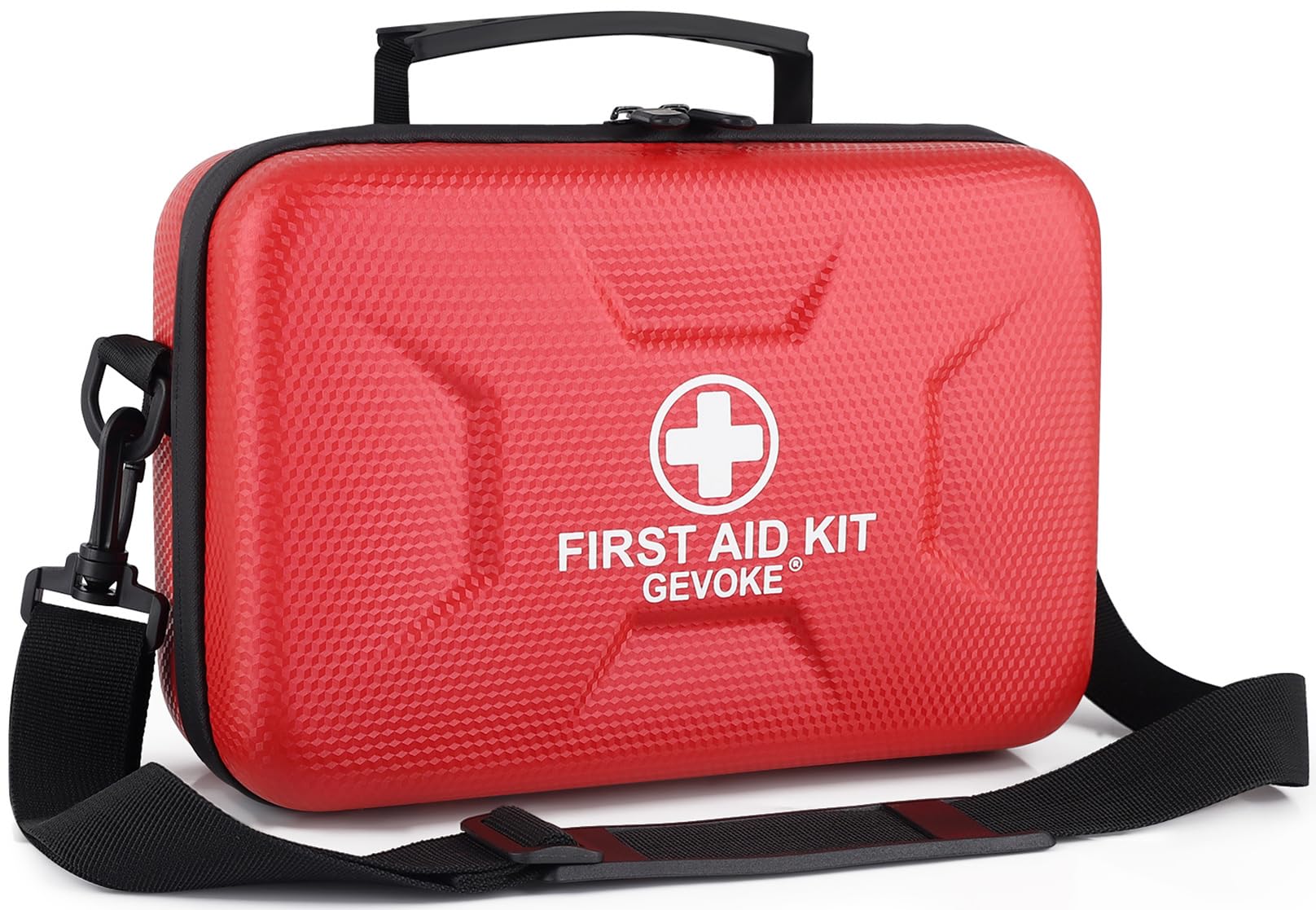
For medical emergencies, the Gevoke First Aid Kit offers 410 pieces of high‑quality supplies in a waterproof hard shell. The kit weighs 2.43 lb, fits easily in a vehicle, and includes transparent compartments for rapid identification. With a 4.7‑star rating from 403 reviews, it demonstrates strong user satisfaction and durability for both indoor and outdoor use.
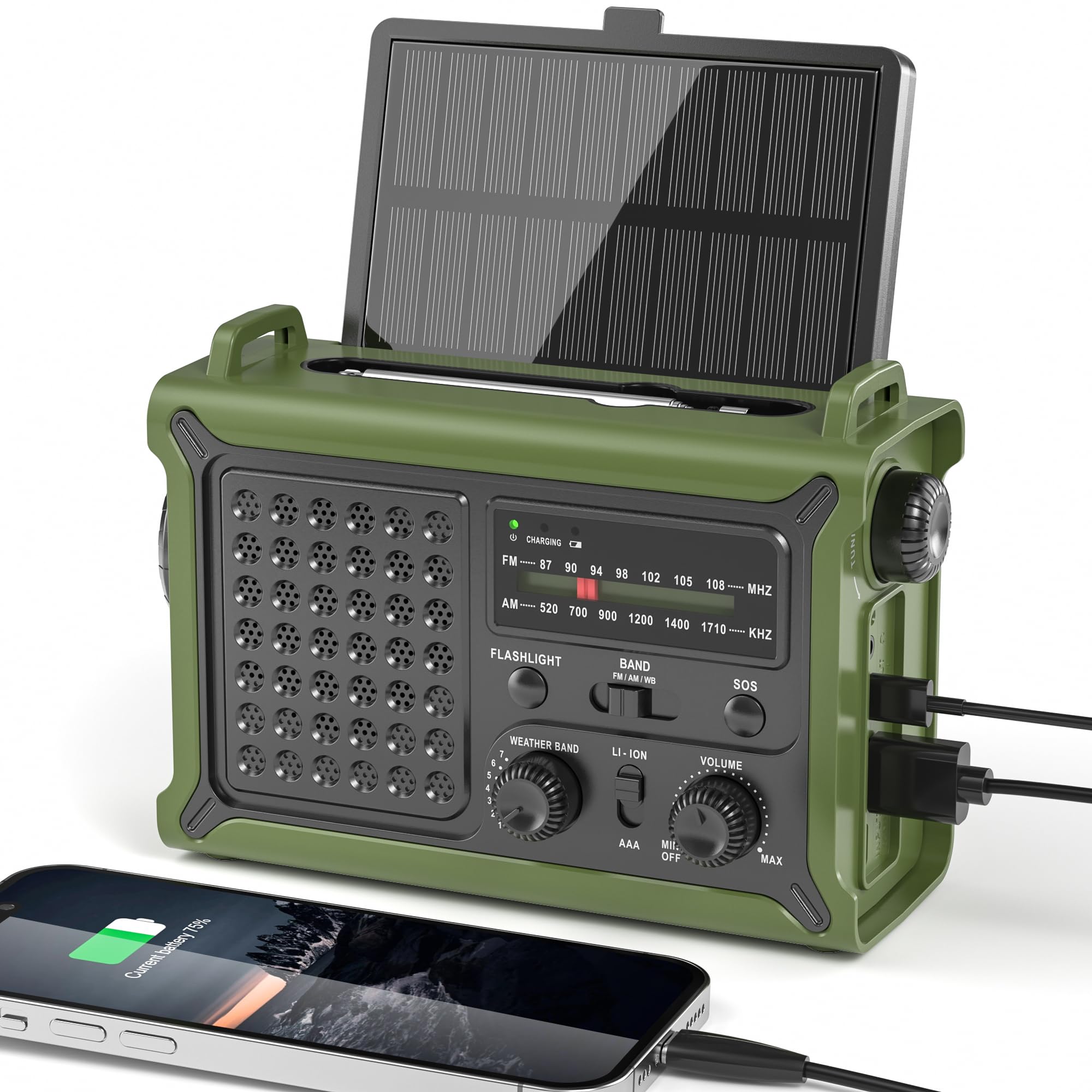
To stay informed during power outages, the Mesqool Solar Emergency Radio provides NOAA, AM, and FM reception, a 12000 mAh battery, and a dual‑mode LED flashlight. Its large 8500 mm² solar panel charges quickly even in low light, and the hand crank can generate power in three minutes. Customers rate it 4.8 stars from 776 reviews, indicating reliability for prolonged emergencies.
For a budget‑friendly option, the RunningSnail Hand Crank Radio combines a 2000 mAh power bank, solar panel, and LED flashlight in a pocket‑sized design. At $14.38 and a 4.5‑star rating from over 21,000 reviews, it offers essential functionality for families seeking an economical backup. Its three‑way power sources ensure operation even when batteries are depleted.
Creating a Unified Supply Strategy
Rather than purchasing duplicate kits for each residence, adopt a shared‑resource model that leverages transportation between homes. Store a master kit at the primary residence and smaller satellite kits at secondary locations. Ensure that each satellite kit contains the most critical items: a compact first‑aid pouch, a handheld radio, and a portable charger.
Label all containers clearly and maintain an inventory log that records expiration dates for medical supplies and battery health for electronic devices. Rotate items periodically by moving the oldest supplies to the primary home for use and restocking the satellite kits. This rotation prevents waste and guarantees that every kit remains up to date.
Comparison and Selection Guide
| Feature | Gevoke First Aid Kit | Mesqool Solar Emergency Radio | RunningSnail Hand Crank Radio |
|---|---|---|---|
| Price | $33.93 | $43.99 | $14.38 |
| Rating (stars) | 4.7 (403 reviews) | 4.8 (776 reviews) | 4.5 (21,741 reviews) |
| Weight | 2.43 lb | Not specified (handheld) | 0.5 lb |
| Power Source | None (manual) | Solar panel, hand crank, internal 12000 mAh battery | Solar panel, hand crank, internal 2000 mAh battery |
| Key Strength | 410-piece organized medical supplies, waterproof EVA case | High‑efficiency solar charging, dual‑mode flashlight, NOAA alerts | Compact size, three‑way power, affordable price |
The table above helps families compare core attributes and select the product that best matches their budget and functional requirements. Families with larger vehicles may prioritize the Gevoke kit for its extensive inventory, while those seeking a lightweight communication device may opt for the RunningSnail radio.
Best Practices and Tips
- Conduct quarterly drills that simulate power loss, severe weather, and medical emergencies at each residence.
- Store emergency kits in easily accessible locations, such as a garage shelf or a dedicated cabinet near the main entrance.
- Teach all family members how to operate the hand crank and solar charging features of the radios before a crisis occurs.
- Maintain a printed copy of the emergency plan in a waterproof pouch, alongside the digital version stored on a USB drive.
- Review local evacuation routes and shelter locations for each property annually, updating the plan as infrastructure changes.
Frequently Asked Questions
1. How often should first‑aid supplies be replaced?
Medical items such as bandages, antiseptic wipes, and medications typically have a shelf life of two to three years. Check expiration dates during each quarterly drill and replace any expired items immediately.
2. Can the solar radio operate without sunlight?
Yes, the Mesqool Solar Emergency Radio includes a hand crank that can generate sufficient power for short periods, and its internal battery provides backup for several days of use.
3. What is the ideal placement for emergency kits in a home?
Place kits in locations that are both secure and quickly reachable, such as near the main exit, in a garage, or inside a locked cabinet that all adults can open.
4. How many radios are necessary for a multi‑home family?
At minimum, one radio should be stationed at each residence. Additional handheld units can be distributed to family members who travel frequently between homes.
5. Is it necessary to have both a solar panel and a hand crank?
Having both options provides redundancy; solar panels excel in daylight conditions, while hand cranks are valuable during nighttime or cloudy periods.
6. How can families ensure their plan stays up to date?
Schedule an annual review that incorporates changes in household composition, new technology, and updates to local emergency services.
Conclusion
Coordinating emergency preparedness for multi‑home families requires systematic risk assessment, clear communication, and thoughtful allocation of resources. By implementing the steps outlined in this guide, families can create a resilient network of supplies and procedures that protect every household. The recommended products—Gevoke First Aid Kit, Mesqool Solar Emergency Radio, and RunningSnail Hand Crank Radio—provide reliable support without overwhelming budgets. Ongoing practice, regular inventory checks, and adaptability to changing circumstances ensure that families remain prepared for any eventuality.
Products Featured in This Guide
Gevoke First Aid Kit
Price: $33.93 | Rating: 4.7/5.0 (403 reviews)
Featured because it offers a comprehensive 410‑piece medical inventory in a waterproof, organized case, making it ideal for families that need reliable first‑aid supplies across multiple locations.
Mesqool Solar Emergency Radio
Price: $43.99 | Rating: 4.8/5.0 (776 reviews)
Featured because its high‑efficiency solar panel, 12000 mAh battery, and dual‑mode flashlight provide dependable communication and illumination during power outages.
RunningSnail Hand Crank Radio
Price: $14.38 | Rating: 4.5/5.0 (21,741 reviews)
Featured because it delivers essential NOAA alerts, a built‑in 2000 mAh power bank, and a compact design at an affordable price, suitable for secondary residences and travel.