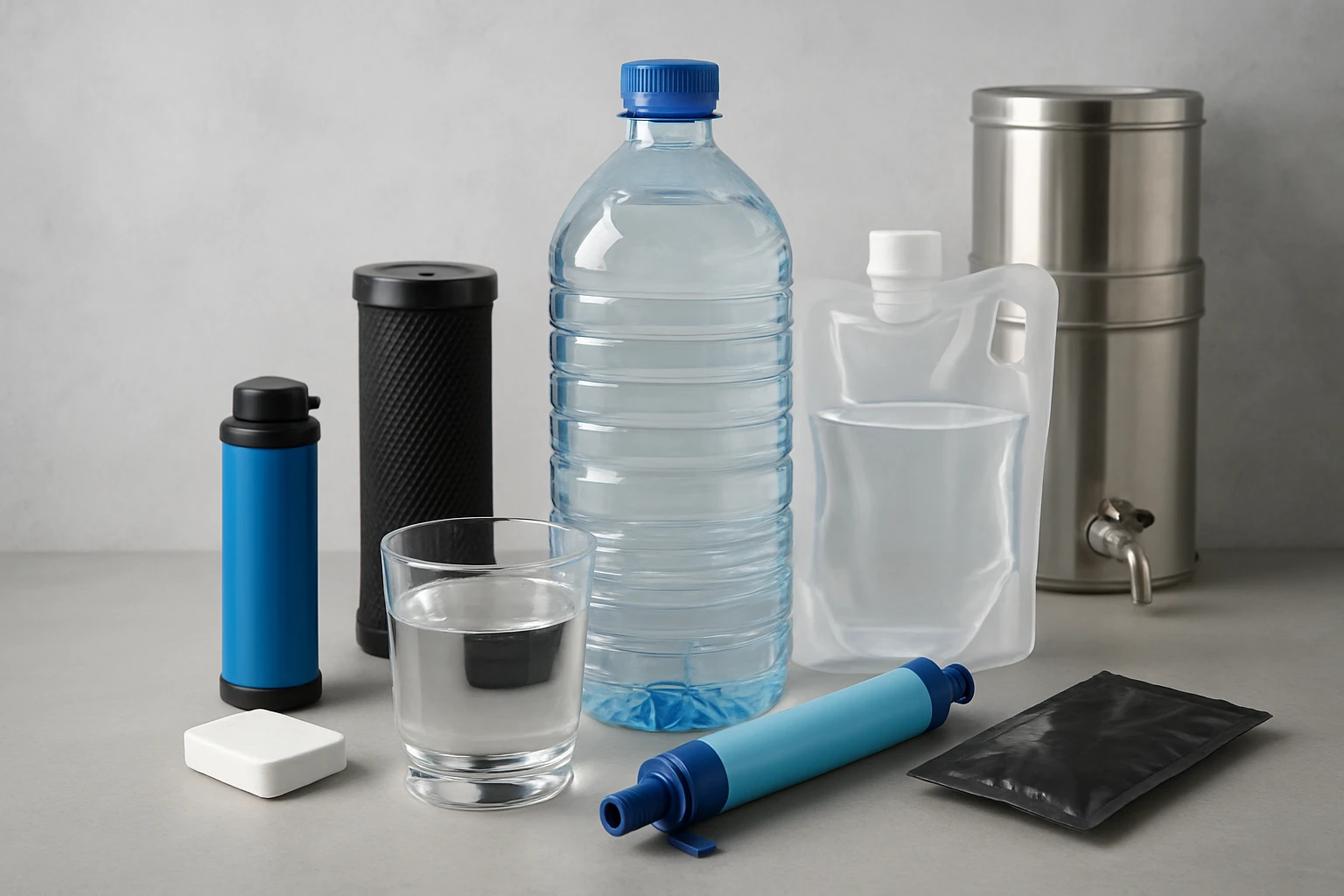
Emergency Prep Guide: 12 Essential Water Purification Methods for Safe Drinking Water
Introduction
Access to safe drinking water is a fundamental requirement for survival in any emergency situation. This guide explains twelve proven water purification methods, outlines when each method is most appropriate, and highlights five highly rated products that can enhance preparedness. Readers will learn the science behind filtration, chemical treatment, and ultraviolet disinfection, as well as practical steps for implementation. By the end of the article, one will possess the knowledge to select the right technique for any scenario and to maintain a reliable water supply when conventional sources fail.
Background and Context
Waterborne pathogens such as bacteria, protozoa, and viruses cause the majority of water‑related illnesses in disaster zones and wilderness settings. The United States Environmental Protection Agency (EPA) sets strict standards for microbial removal, typically requiring a 99.9999% reduction of bacteria and a 99.999% reduction of protozoa. Filtration devices that meet or exceed these standards provide a mechanical barrier, while chemical disinfectants inactivate microorganisms through oxidation. Ultraviolet (UV) devices destroy genetic material, rendering pathogens harmless without altering taste. Understanding the strengths and limitations of each approach is essential for building a resilient emergency water plan.
Method 1: Portable Straw‑Style Filtration
Straw‑style filters combine ultra‑fine membranes with a simple drinking straw, allowing users to sip directly from a natural source. The design eliminates the need for pumps, batteries, or complex assembly, making it ideal for rapid response situations. LifeStraw Personal Water Filter exemplifies this category; it removes 99.9999% of bacteria and 99.9% of protozoan parasites using a 0.2‑micron membrane and provides up to 4,000 liters of clean water. With a price of $15.99, a rating of 4.8/5 from 120,986 reviews, and a weight of only 2 oz, it offers unparalleled portability for hikers, campers, and disaster‑ready households.
Method 2: Inline Mini Filtration Systems
Inline mini filters attach to water bottles, hydration packs, or dedicated squeeze bags, delivering high‑performance filtration in a compact package. The Sawyer Mini Water Filter uses a 0.1‑micron absolute filter that eliminates 99.99999% of bacteria and 99.9999% of protozoa while also capturing microplastics. It is rated for up to 100,000 gallons and includes a cleaning plunger for maintenance. Priced at $28.99 with a 4.7/5 rating from 42,926 reviews, the Sawyer Mini is a versatile choice for backpackers who need to filter water on the move.
Method 3: Chemical Tablet Disinfection
Chemical tablets, typically based on iodine or chlorine dioxide, provide a lightweight solution for treating water when filtration is impractical. The tablets must be allowed to sit for a prescribed contact time, usually 30‑45 minutes, to achieve full disinfection. Potable Aqua Purification Tablets contain iodine and are effective against Giardia lamblia, making them suitable for emergency kits and short‑term travel. Each 50‑tablet bottle treats up to 25 quarts of water, and the two‑pack is offered at $12.99 with a 4.7/5 rating from 22,959 reviews.
Method 4: Multi‑Stage Straw Filters with NSF Certification
Advanced straw filters incorporate multiple filtration media, including activated carbon, to improve taste and remove chemical contaminants. The Membrane Solutions S1 Water Filter Straw meets NSF/ANSI 42, 372, and 401 standards, guaranteeing removal of coliforms, heavy metals, and microplastics. Its five‑stage system delivers a flow rate of 500 ml per minute while preserving essential minerals. Priced at $28.13 with a 4.7/5 rating from 13,134 reviews, this filter is designed for users who value both safety and palatability.
Method 5: Gravity‑Fed Filtration Systems
Gravity systems use the force of gravity to push water through a high‑capacity filter, allowing large volumes to be treated without manual pumping. The Yuclet Gravity Water Filter System includes a 2‑gallon reservoir, a 0.1‑micron hollow‑fiber filter, and a detachable straw for direct drinking. It can produce up to 1,300 gallons of clean water with a flow rate of 600 ml per minute, making it ideal for group camping, basecamps, or vehicle‑based emergencies. The system costs $36.99, carries a 4.6/5 rating from 151 reviews, and offers unlimited shelf life for the filter element.
Method 6: Portable UV Light Devices
Ultraviolet devices use a battery‑powered LED to emit UV‑C light at 254 nm, destroying the DNA of bacteria, viruses, and protozoa within seconds. Although not included in the product list, UV units complement mechanical filters by providing a chemical‑free final step. Users should ensure water is clear before treatment, as turbidity can shield microorganisms from UV exposure.
Method 7: Boiling
Boiling remains the most universally accessible method for pathogen inactivation. Water should be brought to a rolling boil for at least one minute at sea level, or three minutes at elevations above 2,000 meters. This technique eliminates all classes of microorganisms but does not remove chemical contaminants or improve taste.
Method 8: Solar Disinfection (SODIS)
SODIS utilizes ultraviolet radiation from sunlight to disinfect water in clear PET bottles. Exposing 2 liters of water to direct sunlight for six hours (or eight hours under cloudy conditions) achieves a 99.9% reduction in pathogens. This method requires no equipment beyond a transparent bottle and reliable sunlight.
Method 9: Ceramic Filtration
Ceramic filters employ porous ceramic elements that trap bacteria and protozoa while allowing water to pass. They are reusable after scrubbing and can be combined with activated carbon for improved taste. Ceramic units are durable, but they do not remove viruses.
Method 10: Charcoal‑Based Pitcher Filters
Pitcher filters are convenient for household use, employing activated carbon to adsorb chlorine, organic chemicals, and some heavy metals. While they improve taste and odor, they are not reliable for removing all pathogens and should be paired with a certified filter for emergency preparedness.
Method 11: Reverse Osmosis (RO) Portable Units
Portable RO systems force water through a semi‑permeable membrane, removing up to 99% of dissolved solids, bacteria, and viruses. These units require a power source and generate wastewater, making them less suitable for long‑term backcountry trips but valuable for vehicle‑based or home emergency kits.
Method 12: Combined Treatment Kits
Many emergency kits combine filtration, chemical tablets, and UV devices to provide layered protection. Redundancy ensures that if one method fails, another can compensate, increasing overall reliability. Users should practice using each component before an actual emergency to become proficient.
Comparison and Selection Guide
| Method | Pathogen Removal | Chemical Removal | Weight (oz) | Cost (USD) | Best Use Case |
|---|---|---|---|---|---|
| Straw‑Style Filter | 99.9999% Bacteria, 99.9% Protozoa | None | 2 | 15.99 | Backpackers, quick sip from streams |
| Mini Inline Filter | 99.99999% Bacteria, 99.9999% Protozoa | None | 2 | 28.99 | Hydration packs, bottle attachment |
| Chemical Tablets | Effective against Giardia, limited viruses | Yes (iodine) | 0.1 | 12.99 | Emergency kits, lightweight travel |
| NSF‑Certified Straw | 99.9999% Bacteria, 99.9% Protozoa | Partial (chlorine, metals) | 2 | 28.13 | Those needing taste improvement |
| Gravity System | 99.9999% Bacteria, 99.9% Protozoa | None | 16 (system) | 36.99 | Group camps, basecamps, vehicle trips |
The table assists readers in matching a method to their specific constraints such as weight, cost, and water quality concerns. For solo hikers weighing less than 5 lb, the LifeStraw or Sawyer Mini provide the smallest footprint. For families or groups, the Yuclet Gravity System delivers high volume with minimal effort. When chemical taste is a concern, the Membrane Solutions S1 adds activated carbon to improve palatability.
Best Practices & Tips
- Always pre‑prime a new filter by running water through it for at least 30 seconds to remove manufacturing residues.
- Store chemical tablets in a cool, dry place; exposure to moisture can reduce efficacy.
- Combine mechanical filtration with a chemical disinfectant for viruses, which most filters do not remove.
- Maintain a log of filter lifespan; replace or back‑flush according to manufacturer recommendations to avoid breakthrough.
- Practice the full water‑treatment sequence during training trips to ensure confidence during an actual emergency.
Frequently Asked Questions
1. Can a straw‑style filter remove viruses?
No, straw‑style filters such as the LifeStraw are rated for bacteria and protozoa only; viruses require chemical disinfection or UV treatment.
2. How long does a chemical tablet remain effective?
When stored properly, iodine‑based tablets retain potency for up to five years, but users should verify the expiration date before reliance.
3. Is it safe to drink directly from a contaminated river after filtering?
Filtering removes microbial contaminants, but heavy metals or industrial chemicals may still be present; in such environments, a filter with activated carbon or a separate chemical treatment is advisable.
4. What is the recommended flow rate for a gravity system?
The Yuclet system provides a maximum flow of 600 ml per minute, which balances speed with thorough filtration for large‑volume needs.
5. How often should a filter be back‑flushed?
Back‑flushing after each use helps prevent clogging and extends filter life; a vigorous blow‑back of air through the straw is sufficient for most portable units.
6. Can UV devices be used with cloudy water?
No, UV treatment requires clear water; turbidity should be reduced by pre‑filtration or settling before exposure to UV light.
Conclusion
Ensuring access to safe drinking water during emergencies demands a layered approach that combines knowledge, equipment, and disciplined practice. The twelve methods outlined in this guide cover the full spectrum from low‑tech solutions such as boiling to high‑tech portable filtration systems. By selecting the appropriate product—whether the ultra‑light LifeStraw, the versatile Sawyer Mini, or the high‑capacity Yuclet Gravity System—readers can tailor their water strategy to individual or group needs. Consistent maintenance, regular training, and awareness of each method’s limitations will maximize safety and confidence when reliable water sources are scarce.
Products Featured in This Guide
LifeStraw Personal Water Filter
Price: $15.99 | Rating: 4.8/5 (120,986 reviews)
Featured for its ultra‑light weight, 0.2‑micron filtration, and 4,000‑liter lifespan, making it ideal for solo hikers and emergency kits.
Sawyer Mini Water Filter
Price: $28.99 | Rating: 4.7/5 (42,926 reviews)
Featured for its 0.1‑micron absolute filter, 100,000‑gallon capacity, and versatile attachment options for bottles and hydration packs.
Potable Aqua Purification Tablets
Price: $12.99 | Rating: 4.7/5 (22,959 reviews)
Featured for its lightweight iodine formulation, ability to treat up to 25 quarts per bottle, and long shelf life for disaster preparedness.
Membrane Solutions S1 Water Filter Straw
Price: $28.13 | Rating: 4.7/5 (13,134 reviews)
Featured for its triple NSF/ANSI certification, five‑stage filtration, and balanced flow rate that preserves mineral content while removing contaminants.
Yuclet Gravity Water Filter System
Price: $36.99 | Rating: 4.6/5 (151 reviews)
Featured for its 2‑gallon capacity, 0.1‑micron hollow‑fiber filter, and ability to produce up to 1,300 gallons, making it suitable for group camping and vehicle‑based emergencies.