
How to Build a Psychological First Aid Kit for Disasters: A Practical Guide to Emergency Mental Health
Introduction
Disasters test both physical safety and mental resilience. This guide explains how to construct a psychological first aid kit that supports emotional stability while also addressing basic medical needs. Readers will learn foundational concepts, recommended tools, and actionable steps to assemble a kit that can be deployed in homes, workplaces, or community shelters. By the end of the article, one will possess a clear plan, product recommendations, and best‑practice guidelines for effective mental‑health response.
Background and Context
Psychological first aid (PFA) is an evidence‑based approach designed to reduce acute distress and promote adaptive coping after traumatic events. It draws on principles of empathy, safety, and empowerment, mirroring the structure of physical first aid but focusing on emotional well‑being. Research from the World Health Organization and the American Red Cross demonstrates that timely PFA can lower the risk of long‑term mental health disorders such as PTSD and depression. Understanding these concepts is essential before selecting tools that translate theory into practice.
Core Components of a Psychological First Aid Kit
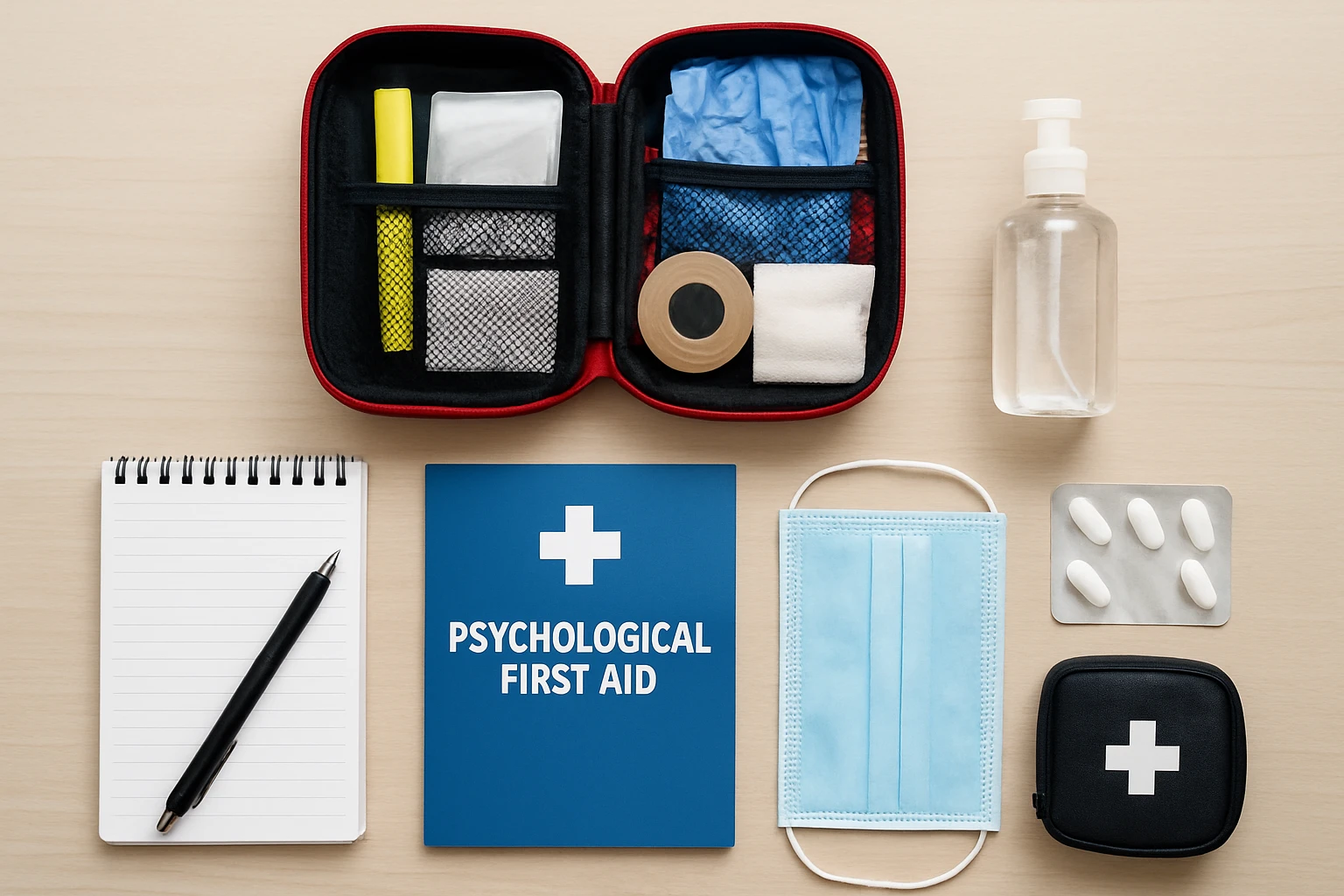
Effective PFA kits combine informational resources, tactile aids, and basic physical supplies. The following categories represent the core components:
- Educational Materials: concise guides that outline PFA steps, coping strategies, and contact information for professional services.
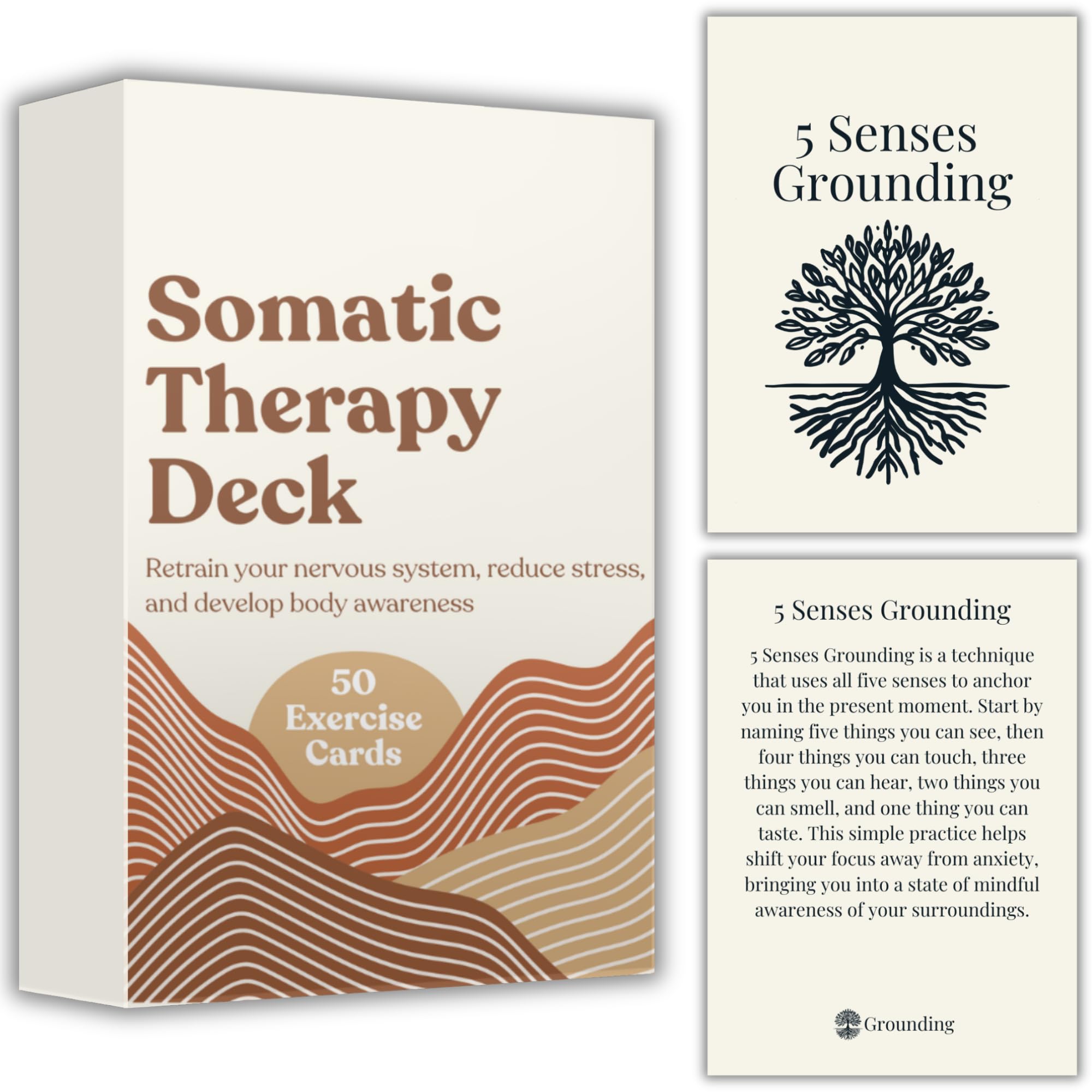
- Stress‑Reduction Tools: items such as grounding cards, breathing exercise prompts, and sensory objects that help individuals regain calm.
- Physical First‑Aid Supplies: essential medical items that address injuries, ensuring the kit remains a dual‑purpose resource.
- Contact Cards: pre‑printed sheets with local mental‑health hotlines, crisis centers, and community support groups.
Each category reinforces the others, creating a holistic response system that can be used by lay responders, teachers, or emergency volunteers.
Recommended Products and How They Add Value
Below are three highly rated products that integrate seamlessly into a psychological first aid kit. The first mention of each product includes a direct affiliate link.
Physical First‑Aid Foundation
The 24/7 First Aid 100-Person Kit provides a comprehensive inventory of medical supplies that meet OSHA standards. Priced at $36.09 and holding a 4.8‑star rating from 1,602 reviews, the kit includes adhesive bandages, antibiotic ointments, BZK antiseptic towelettes, burn cream packets, gauze rolls, gloves, scissors, and tweezers. Its durable plastic case with easy‑slide latches measures 3.25 × 11.5 × 13 inches, allowing for compact storage in a vehicle or shelter. By incorporating this kit, responders can address minor injuries while focusing on emotional support, thereby preventing secondary trauma caused by untreated physical pain.
Educational Resource for Mental Resilience
The book The Emergency Mind offers a concise, science‑backed framework for performing under pressure. Authored by Dan Dworkis, MD, PhD, the paperback retails for $19.99 and enjoys a 4.6‑star rating from 200 reviewers. It explains neurobiological responses to stress, provides step‑by‑step mental rehearsal techniques, and includes quick‑reference charts that can be laminated and placed inside the kit. This resource equips volunteers with the knowledge to guide individuals through grounding, breathing, and reframing exercises during chaotic moments.
Grounding and Somatic Support
The Somatic Therapy Cards from Raptor Studio deliver over 50 evidence‑based exercises that regulate the nervous system. At $23.99 with a 4.6‑star rating from 78 reviews, the deck includes mindfulness prompts, breathwork sequences, and gentle movement routines printed on durable, portable cards. Their clear instructions and compact box make them ideal for distribution in shelters, schools, or mobile response units. When used alongside the educational guide, these cards translate abstract coping concepts into tangible actions.
Comparison and Selection Guide
Choosing the right combination of items depends on the intended setting, available storage space, and the skill level of responders. The table below highlights key decision factors for each recommended product.
| Product | Primary Function | Best For | Portability | Cost |
|---|---|---|---|---|
| 24/7 First Aid 100-Person Kit | Physical injury treatment | Community shelters, vehicle kits | Medium – wall‑mountable case | $36.09 |
| The Emergency Mind | Educational framework for stress response | Team leaders, volunteers, training sessions | High – paperback format | $19.99 |
| Somatic Therapy Cards | Grounding and somatic regulation | Individuals, group workshops, rapid deployment | High – compact card box | $23.99 |
When space is limited, prioritize the Somatic Therapy Cards for immediate calming, followed by a laminated cheat‑sheet derived from The Emergency Mind. The physical first‑aid kit should be included whenever the environment presents a risk of injury, such as construction sites or disaster‑affected housing.
Best Practices & Tips for Using Your Kit
- Pre‑Deploy Training: Conduct brief workshops using the book’s exercises to ensure volunteers can demonstrate grounding techniques confidently.
- Label and Organize: Store the physical supplies in the case’s individual compartments and place the mental‑health cards in a separate zip‑lock bag to avoid contamination.
- Regular Audits: Review inventory quarterly; replace expired medical items and refresh any worn cards.
- Integrate Cultural Sensitivity: Adapt language on the cards and guide to reflect the community’s cultural norms and preferred coping styles.
- Leverage Technology: Scan QR codes on the guide’s back cover to link to downloadable audio breathing scripts, enhancing accessibility for individuals with visual impairments.
Following these steps maximizes the kit’s effectiveness and ensures that responders can transition smoothly between physical and emotional care.
Frequently Asked Questions
- 1. How many Somatic Therapy Cards should I include in a community kit?
- A single deck of 50+ cards is sufficient for a group of up to 30 participants; multiple decks can be added for larger shelters.
- 2. Can the physical first‑aid kit be used without a medical professional?
- Yes, the kit is designed for lay responders; however, users should receive basic training on wound cleaning, bandaging, and when to seek professional care.
- 3. What is the ideal storage location for the combined kit?
- Store the kit in a dry, temperature‑controlled area, preferably near an exit route to enable rapid retrieval during an emergency.
- 4. How often should the educational guide be updated?
- Review the guide annually to incorporate new research on trauma‑informed care and to replace outdated contact information.
- 5. Are there digital alternatives to the Somatic Therapy Cards?
- Digital versions exist, but physical cards remain more reliable in low‑connectivity environments and can be used by individuals with limited smartphone access.
- 6. What legal considerations apply when distributing first‑aid kits?
- Ensure compliance with local health regulations, label all medical supplies clearly, and include a disclaimer that the kit does not replace professional medical treatment.
Conclusion
Building a psychological first aid kit requires thoughtful integration of mental‑health resources, reliable medical supplies, and clear procedural guidance. By selecting high‑quality products such as the 24/7 First Aid 100-Person Kit, The Emergency Mind, and Somatic Therapy Cards, one creates a versatile toolkit capable of addressing both visible injuries and invisible trauma. Regular training, maintenance, and cultural adaptation further enhance the kit’s impact, empowering communities to respond to disasters with confidence and compassion.
Products Featured in This Guide
24/7 First Aid 100-Person Kit
Price: $36.09 | Rating: 4.8/5 (1,602 reviews)
Featured because it supplies OSHA‑compliant medical supplies that complement mental‑health tools, ensuring responders can treat physical injuries while providing emotional support.
The Emergency Mind
Price: $19.99 | Rating: 4.6/5 (200 reviews)
Featured for its concise, science‑based strategies that enable volunteers to guide individuals through stress‑reduction techniques during crises.
Somatic Therapy Cards
Price: $23.99 | Rating: 4.6/5 (78 reviews)
Featured because the cards provide portable, actionable grounding exercises that help individuals regulate their nervous system in high‑stress environments.