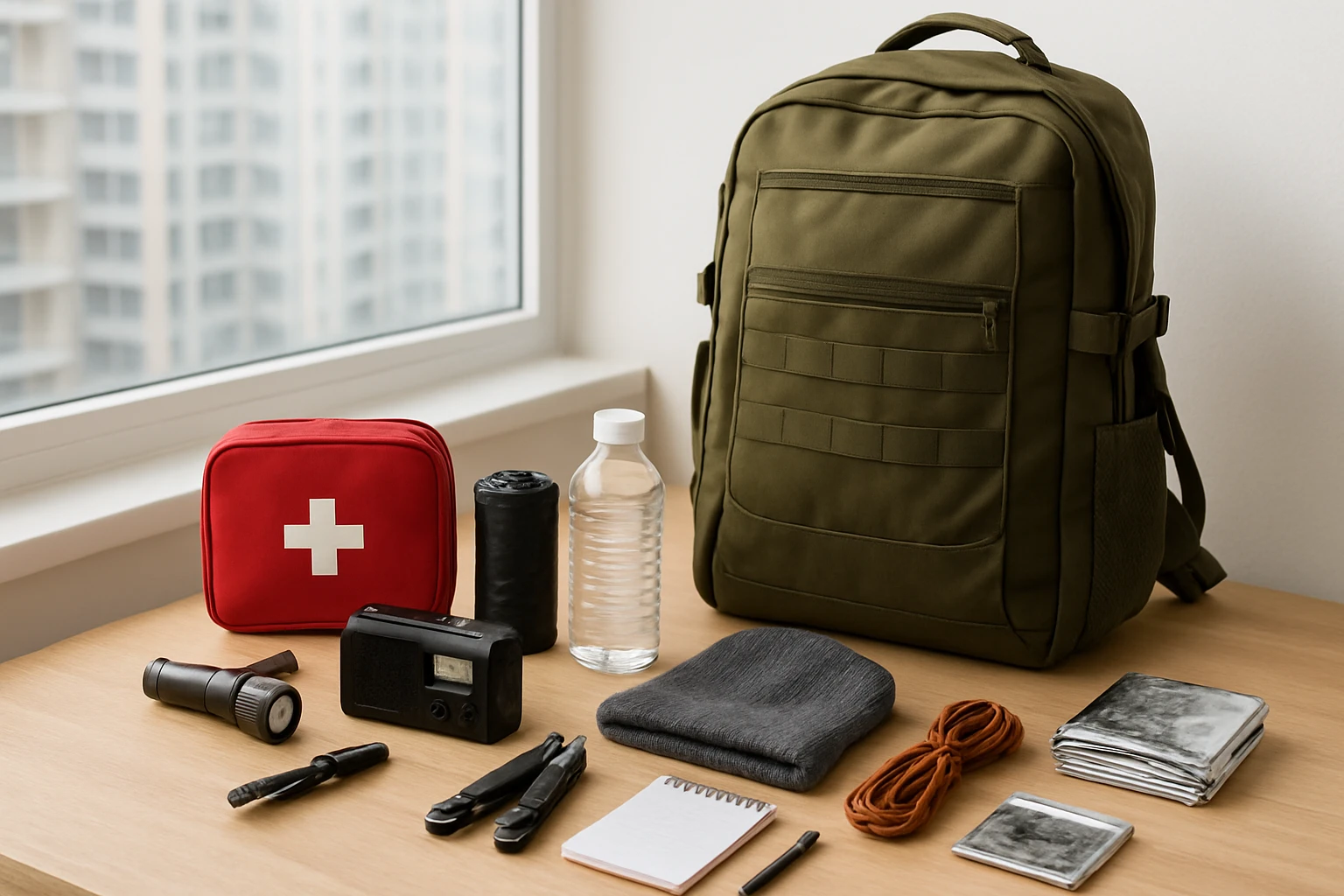
Introduction
This guide explains how one can construct a comprehensive urban bug‑out bag suitable for a high‑rise apartment. Readers will learn to assess risks, select appropriate containers, prioritize survival tools, and develop an evacuation plan that works within limited vertical space. The information is valuable because urban emergencies often require rapid evacuation, limited storage, and reliable equipment that can be carried down multiple flights of stairs.
What You’ll Need
- XIFOZA Survival Kit – all‑in‑one emergency kit with first aid, fire‑making tools, and a tactical pen.
- REEBOW GEAR Tactical Backpack – 40‑liter MOLLE‑compatible pack designed for rugged use.
- Maelstrom 40L Hiking Backpack – lightweight, waterproof daypack with multiple compartments.
- Reusable water bottles, multi‑tool, personal documents in waterproof sleeves, and a compact flashlight.
Step 1: Assess Risks and Determine Space
Begin by identifying the most likely emergencies in a high‑rise setting, such as fire, power outage, or severe weather. One should measure the storage area beneath the bed or in a closet, noting dimensions that will accommodate a backpack and a compact kit. Understanding the spatial constraints informs the size of the bag and prevents over‑packing, which could impede a swift descent.
Step 2: Choose a Durable Carry System
Selecting a reliable backpack is critical because it will bear the weight of all supplies during an evacuation. The REEBOW GEAR Tactical Backpack offers a 40‑liter capacity, high‑density 600x600 fabric, and a full MOLLE webbing system for modular expansion. At $32.99 it carries a 4.7‑star rating from over 5,600 reviewers, indicating durability and value. The padded back panel and adjustable shoulder straps provide comfort even when the bag is fully loaded, which is essential when navigating stairwells.
Alternatively, the Maelstrom 40L Hiking Backpack is lightweight, water‑resistant, and includes a built‑in rain cover. Priced at $35.96 with a 4.5‑star rating from 3,255 reviewers, it features ergonomic padded shoulders, a chest buckle that doubles as a survival whistle, and reflective accents for visibility. For users who prioritize weight savings and a sleek profile, this backpack provides comparable capacity while fitting comfortably against the torso.
Step 3: Assemble Core Survival Supplies
The heart of any bug‑out bag is a well‑organized emergency kit. The XIFOZA Survival Kit supplies 268 pieces of equipment, including a first‑aid set, LED headlamp, tactical pen with glass‑breaker, emergency tent, thermal blanket, and a compact fire‑starter. At $49.99 and a 4.5‑star rating from 267 reviews, the kit is praised for its comprehensive contents and weather‑tested durability. By placing the kit in the main compartment of the chosen backpack, one ensures quick access to medical and shelter items during an evacuation.
When packing the kit, arrange items by frequency of use: place the headlamp, multitool, and first‑aid supplies near the top for immediate reach, while larger items such as the emergency tent can occupy the lower section. This organization reduces the time spent searching for critical tools when seconds matter.
Step 4: Add Personal Protection and Comfort Items
Urban emergencies may require self‑defense or protection from harsh weather. Include a compact pepper spray, a sturdy pair of work gloves, and a lightweight thermal blanket from the XIFOZA kit. If the building experiences power loss, a small rechargeable power bank (not listed) can keep a phone operational for communication.
Comfort items such as a change of clothing, high‑energy snack bars, and a collapsible water container improve morale and sustain energy during a short trek to ground level. Store these in the side mesh pockets of the REEBOW GEAR Backpack or the front zip pockets of the Maelstrom pack for easy retrieval.
Step 5: Pack for Efficient Evacuation
After arranging all components, perform a test pack. Close the backpack, lift it, and walk up and down a flight of stairs to assess balance. Adjust the shoulder straps and hip belt so the load rests evenly on the hips, minimizing strain on the back. Secure any loose items with the MOLLE straps on the REEBOW GEAR pack or the elastic webbing on the Maelstrom backpack.
Label the exterior of the bag with a durable “Emergency Bag” tag. This visual cue helps family members locate the bag quickly during a chaotic evacuation.
Step 6: Store and Maintain Your Bug‑Out Bag
Place the packed backpack in an easily accessible location, such as a bedroom closet or near the main exit. Rotate perishable items like food bars and replace used batteries in the headlamp every six months. Conduct a quarterly drill by simulating a fire alarm, retrieving the bag, and walking down the stairs to verify that all items remain functional and that the evacuation route is clear.
Tips & Pro Tips
- Keep a printed copy of emergency contacts and a floor plan inside a waterproof sleeve.
- Use zip‑tie organizers to bundle cords and small tools, preventing tangles.
- Consider a compact fire‑extinguisher approved for electrical fires; it can be stored in the lower compartment of the REEBOW GEAR pack.
- When possible, attach a small carabiner to the bag’s MOLLE loop for quick hooking onto a railing during descent.
- Store a spare set of keys for the apartment and building in a magnetic pouch on the bag’s exterior.
Troubleshooting
Problem: The bag feels too heavy to carry down stairs.
Solution: Re‑evaluate the contents and remove non‑essential items such as duplicate tools. Prioritize lightweight, multi‑function items like the tactical pen and the emergency blanket, which serve several purposes.
Problem: The first‑aid supplies are expired.
Solution: Mark the expiration dates on a calendar and replace the kit annually. The XIFOZA Survival Kit is designed for easy component replacement; one can purchase individual bandages and antiseptic wipes as needed.
Conclusion
By following the steps outlined above, one can build a compact, reliable bug‑out bag that addresses the unique challenges of high‑rise living. The guide emphasized risk assessment, selection of a durable backpack, inclusion of a comprehensive survival kit, and regular maintenance. Equipped with these tools, residents will be prepared to evacuate quickly, stay safe during an emergency, and protect their essential belongings.
Products Mentioned in This Guide
Frequently Asked Questions
What is an urban bug‑out bag for a high‑rise apartment?
It is a compact, well‑organized emergency kit designed to be carried down multiple flights of stairs quickly during urban crises.
How do I choose the right backpack for limited vertical space?
Select a 40‑liter, MOLLE‑compatible or waterproof daypack with multiple compartments to maximize organization while fitting through narrow stairwells.
Which essential items should be included in a high‑rise bug‑out bag?
Include a survival kit (first aid, fire‑making tools, tactical pen), reusable water bottles, a multi‑tool, and personal documents in waterproof sleeves.
How can I protect personal documents from water damage?
Store them in sealed, waterproof sleeves or zip‑lock bags placed inside a dry compartment of your backpack.
What is the best way to plan an evacuation from a high‑rise building?
Identify multiple exit routes, practice stair‑well drills, and keep your bug‑out bag near the primary exit for rapid retrieval.