
Introduction
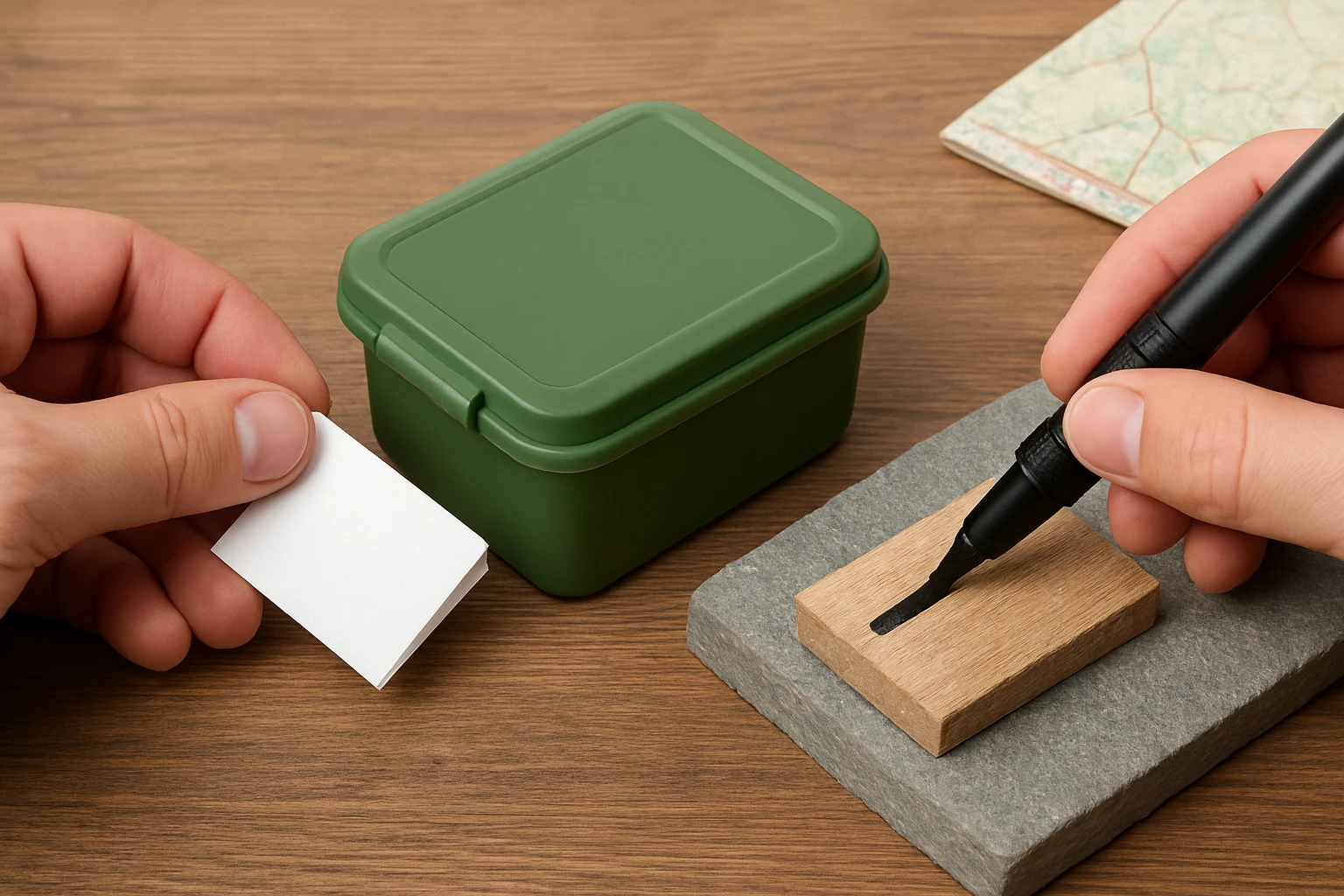
The modern survivalist understands that a well‑concealed bug‑out cache can mean the difference between comfort and crisis during an emergency. This guide teaches readers how to hide a cache safely, legally, and discreetly, while emphasizing the importance of planning, camouflage, and regular maintenance. By following each step, one will gain confidence in protecting essential supplies from theft, weather, and accidental discovery. The techniques presented are applicable to urban apartments, suburban yards, and remote wilderness settings alike.
What You’ll Need
- Durable, stackable storage containers – IRIS USA Craft Storage Bins
- Lightweight electrical conduit couplings for securing underground access – ENT Coupling 1-1/2 Inch
- Basic hand tools (shovel, screwdriver, utility knife)
- Camouflage materials (natural foliage, paint, mesh)
- Water‑proof sealing tape and silicone sealant
- GPS device or detailed hand‑drawn map
Step 1: Select a Concealed Location
Choosing the right spot is the foundation of any successful cache. One should prioritize locations that are both legally permissible and naturally concealed, such as beneath a garden bench, inside a hollow tree, or within a concrete slab that is not subject to building codes. Verify local ordinances to avoid trespassing or violating zoning regulations; many municipalities prohibit buried containers in public parks. The chosen site must also be accessible for periodic inspection without drawing attention.
When evaluating potential sites, consider soil composition, drainage, and the likelihood of future landscaping changes. Sandy soil offers easy excavation but may shift, while clay retains shape but can become waterlogged. A location with good natural cover—like dense shrubbery—reduces visual detection. Finally, record the GPS coordinates or create a discreet sketch that only trusted individuals can interpret.
Step 2: Prepare the Cache Container
Protecting supplies from moisture, pests, and physical damage begins with a reliable container. The IRIS USA Craft Storage Bins provide a 5‑quart capacity, transparent walls for quick inventory checks, and a secure latch that resists accidental opening. Made from durable polypropylene, each bin weighs lightly yet withstands rough handling, making it ideal for both indoor and outdoor deployments.
Each bin measures 11.70" L × 7.09" W × 5.85" H, a size that accommodates food rations, medical kits, and small tools while remaining unobtrusive. The built‑in carry handle simplifies relocation, and the stackable design allows multiple bins to be nested for larger caches without increasing the footprint. Before sealing, line the interior with a thin polyethylene bag for an extra moisture barrier.
Step 3: Camouflage and Secure the Access Point
After placing the prepared bin in the selected location, it is essential to disguise any signs of disturbance. If the cache is buried, create a shallow trench and cover it with a layer of topsoil mixed with native leaves and twigs. For above‑ground concealment, wrap the bin in a mesh sleeve painted to match surrounding bark or stone. The transparent nature of the IRIS bins makes visual inspection easy, but the exterior camouflage prevents curious onlookers from noticing a foreign object.
When the cache requires a conduit—such as a PVC pipe leading to an underground bin—use the ENT Coupling 1-1/2 Inch to join sections securely. These lightweight couplings are concrete‑burial rated, ensuring that the pipe remains sealed against soil pressure and moisture ingress. The snug fit of the 1‑1/2 inch diameter coupling aligns with standard electrical non‑metallic tubing, allowing a discreet entry point that can be capped and hidden with a rock or garden ornament.
Seal all joints with silicone sealant and wrap the exterior with waterproof tape. This double‑layer protection prevents water from seeping into the container and extends the lifespan of the cache in harsh environments.
Step 4: Document, Map, and Secure Access Information
Even the most expertly hidden cache is useless if its location cannot be recalled under stress. Create a multi‑layer documentation system: a digital file stored on an encrypted USB drive, a physical note hidden in a separate safe location, and a coded entry on a personal journal. Use GPS coordinates for precise location, but encrypt the data with a simple cipher known only to trusted allies.
When sharing the cache location with family members, employ a “need‑to‑know” approach. Provide only the essential details and remind them of the legal responsibilities involved in accessing emergency supplies. Regularly review and update the documentation to reflect any changes in the environment, such as new construction or seasonal vegetation growth.
Step 5: Perform Regular Maintenance
A hidden cache must be inspected at least twice per year to verify that seals remain intact and supplies have not degraded. During each visit, open the IRIS bin, check for condensation, and rotate perishable items according to first‑in‑first‑out principles. Re‑apply silicone sealant around the ENT couplings if any cracks or gaps appear, especially after heavy rain or freeze‑thaw cycles.
Maintain a log of each maintenance session, noting weather conditions, observed wear, and any adjustments made. This record helps anticipate future issues and ensures that the cache remains ready for immediate deployment when an emergency arises.
Tips & Pro Tips
- Blend with the environment: Use native plants or rocks to disguise any surface disturbance caused by excavation.
- Redundancy is key: Store duplicate essential items in a secondary, smaller container hidden elsewhere.
- Temperature control: Place a small insulated liner inside the IRIS bin to protect temperature‑sensitive supplies.
- Legal awareness: Always verify that burying containers does not violate local utility easements or homeowner association rules.
- Signal avoidance: Keep metal objects away from the cache to prevent detection by metal detectors used by law enforcement.
Troubleshooting
| Problem | Possible Cause | Solution |
|---|---|---|
| Water pooling inside the bin | Insufficient sealing or low‑lying placement | Re‑seal lid with waterproof tape, add a drip edge, and relocate to a higher spot if necessary. |
| Cache discovered by neighbors | Obvious surface disturbance or poor camouflage | Re‑conceal using additional natural cover and adjust the entrance point to a less visible location. |
| ENT coupling loosening | Soil movement or inadequate installation | Remove the coupling, apply fresh silicone sealant, and tighten according to manufacturer instructions. |
Conclusion
Hiding a bug‑out cache safely requires thoughtful site selection, reliable containers, effective camouflage, and diligent record‑keeping. By employing the IRIS USA Craft Storage Bins and ENT Coupling 1‑1/2 Inch as proven tools, one can create a resilient, discreet storage solution that complies with legal standards and withstands environmental challenges. Regular maintenance and clear documentation complete the system, ensuring that essential supplies are always ready when needed. Implement these steps, and you will enhance your preparedness without compromising safety or legality.
Products Mentioned in This Guide


Frequently Asked Questions
Is it legal to hide a bug‑out cache on private property?
Yes, as long as you own or have permission to use the land and you comply with local zoning, fire codes, and environmental regulations.
What are the best containers for a long‑term bug‑out cache?
Durable, stackable storage bins like IRIS USA Craft Storage Bins provide water‑tight protection and easy organization.
How can I conceal a cache in an urban apartment without drawing attention?
Use inconspicuous furniture voids, false-bottom drawers, or hidden wall panels, and camouflage the exterior with everyday items.
What method should I use to secure underground access points?
Install lightweight electrical conduit couplings (e.g., 1‑1/2 inch ENT Couplings) and seal with waterproof tape and silicone to prevent moisture and detection.
How often should I inspect and maintain my bug‑out cache?
Perform a quarterly check to verify seals, replace any compromised supplies, and ensure the camouflage remains effective.
