Introduction
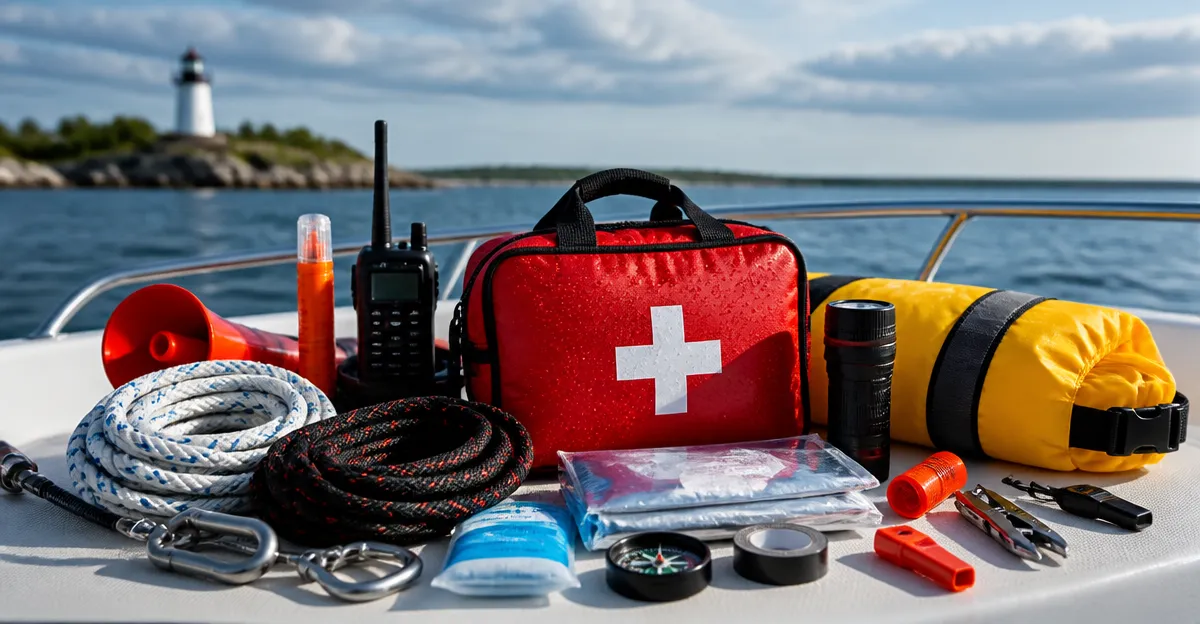
When navigating a small vessel, safety depends on preparation rather than chance. A well‑stocked emergency kit can transform a potentially hazardous situation into a manageable one, allowing the crew to remain calm and focused. Moreover, the right equipment reduces the time required to address common challenges such as unexpected docking, minor injuries, or sudden weather changes.
Boat owners often overlook the importance of specialized accessories that combine convenience with durability. By selecting items that have earned high ratings and positive customer feedback, one can ensure that the kit performs reliably under pressure. The following checklist presents twelve essential components, each supported by real‑world product data.
- Quick‑Connect Docking Lines
Securing a vessel to a dock quickly can prevent damage from drifting or wave action. The Botepon Bungee Dock Lines provide a knot‑free solution that stretches to absorb shock while maintaining a firm grip on cleats or piling. With a tensile strength of 2,150 pounds, these lines can safely hold boats up to 4,000 pounds, making them suitable for pontoon, bass, and jet‑ski models. Priced at $18.99 and backed by a 4.7‑star rating from 4,288 reviews, users praise the ease of use, noting that “even a child can secure the boat in under ten seconds.”
The elastic core reduces stress on dock hardware, preventing the rope from snapping loose during sudden wave impacts. This feature is especially valuable in busy marinas where rapid turnover is common. The product’s compact length also keeps the boat snug against the dock, facilitating safe boarding and disembarking.
- Waterproof First‑Aid Kit
Medical emergencies on the water require immediate attention, and a dry kit ensures supplies remain usable after exposure to spray or rain. The THRIAID Waterproof First Aid Kit offers 250 professional‑grade items housed in double‑sealed IPX6‑rated bags. At CAD75.35, the kit includes a Mylar blanket, reflective poncho, multi‑functional whistle, and a 10‑meter survival paracord, among other essentials.
Customers highlight the kit’s organization, stating that “each compartment is clearly labeled, so I can locate bandages in seconds.” The reflective strips improve visibility in low‑light conditions, while the heavy‑duty PVC coating prevents water ingress even after prolonged submersion. The kit’s weight of 2.36 lb makes it portable without compromising on content.
- Marine‑Grade Flashlight
A bright, waterproof flashlight is indispensable for night‑time navigation and signaling. Look for a model with at least 300 lumens, a rechargeable battery, and an IPX7 rating to survive accidental immersion. Pairing a reliable light with the Botepon Dock Lines ensures that docking operations can be performed safely after dark.
- VHF Marine Radio
Communication with nearby vessels and shore stations is critical during emergencies. Choose a handheld VHF radio with a built‑in GPS and SOS button. When combined with the THRIAID First Aid Kit, the radio enables rapid coordination of medical assistance.
- Personal Flotation Devices (PFDs)
Every occupant should wear a U.S. Coast Guard‑approved PFD. Modern designs offer breathable mesh and adjustable straps for comfort during long outings. Having PFDs readily accessible complements the safety offered by quick‑connect dock lines.
- Bilge Pump
A portable electric bilge pump can remove water quickly, preventing the vessel from becoming unstable. Select a pump capable of moving at least 1,200 gph and powered by a 12‑V marine battery. This tool works well alongside the dock lines, as a dry hull reduces strain on mooring hardware.
- Fire Extinguisher
Small engine fires can ignite fuel lines or electrical components. A 2‑lb Class B fire extinguisher meets most boating regulations and can be mounted near the engine compartment. Its presence adds a layer of protection that complements the first‑aid supplies.
- Emergency Whistle
While the THRIAID kit already includes a multi‑functional whistle, carrying a dedicated marine whistle ensures redundancy. A loud, high‑pitch sound can attract attention from nearby vessels when visual signals are obscured.
- Repair Tape and Sealant
Marine‑grade repair tape can temporarily seal hull breaches or fix torn sailcloth. Pair it with a waterproof sealant for more permanent fixes. These items are lightweight and fit easily into the same waterproof bag as the first‑aid kit.
- Spare Anchor and Line
A compact, stainless‑steel anchor with a strong nylon line provides a reliable fallback if docking fails. The anchor’s weight should be appropriate for the vessel’s displacement; a 4‑lb anchor works well for small pontoons.
- Navigation Charts and Compass
Even with GPS, paper charts and a magnetic compass serve as essential backups. They are immune to electronic failure and help maintain situational awareness during power loss.
- Sun Protection and Hydration
Long hours on the water increase the risk of dehydration and sunburn. Include sunscreen with SPF 30+, a wide‑brim hat, and reusable water bottles. These items support overall crew health, reducing the likelihood of medical emergencies that would require the first‑aid kit.
Comparison Table
| Feature | Botepon Bungee Dock Lines | THRIAID Waterproof First Aid Kit |
|---|---|---|
| Price | $18.99 | CAD75.35 |
| Rating | 4.7/5 (4,288 reviews) | 4.8/5 (297 reviews) |
| Key Benefit | Quick, knot‑free docking with shock absorption | 250 medical items in double‑waterproof bags |
| Weight | Lightweight, portable | 2.36 lb |
| Water Resistance | Elastic core resists wave impact | IPX6 waterproof rating |
Conclusion
Equipping a small vessel with a comprehensive emergency kit enhances safety, confidence, and enjoyment on the water. By selecting high‑quality items such as the Botepon Bungee Dock Lines and the THRIAID Waterproof First Aid Kit, boaters benefit from proven performance and positive user experiences. The remaining recommendations—flashlight, VHF radio, PFDs, and others—address a broad range of scenarios, ensuring that crews are prepared for both routine and unexpected challenges.
Investing time in assembling and maintaining this checklist will pay dividends in peace of mind and operational efficiency. Regularly inspect each component, replace expired medical supplies, and practice using the equipment to keep skills sharp. With these measures in place, the small vessel becomes a secure platform for adventure.
Frequently Asked Questions
What are the most important items to include in a small vessel emergency kit?
A well‑rounded kit should contain quick‑connect docking lines, a waterproof first‑aid kit, a handheld VHF radio, a multi‑tool, and emergency flares or signaling devices.
Why choose quick‑connect docking lines over traditional rope?
Quick‑connect lines like Botepon Bungee Dock Lines stretch to absorb shock and allow knot‑free, fast attachment, reducing dock damage and saving time.
How strong should docking lines be for a small boat?
For most small vessels, lines with a tensile strength of around 2,000‑2,500 pounds provide ample safety margin against drift and wave impact.
What type of first‑aid kit is recommended for boat emergencies?
A waterproof, compact kit with bandages, antiseptic wipes, splints, and seasickness medication is ideal for handling minor injuries on board.
Is a handheld VHF radio essential in a small boat emergency kit?
Yes, a handheld VHF radio enables immediate distress calls and communication with marinas or rescue services, crucial during sudden weather changes or equipment failure.