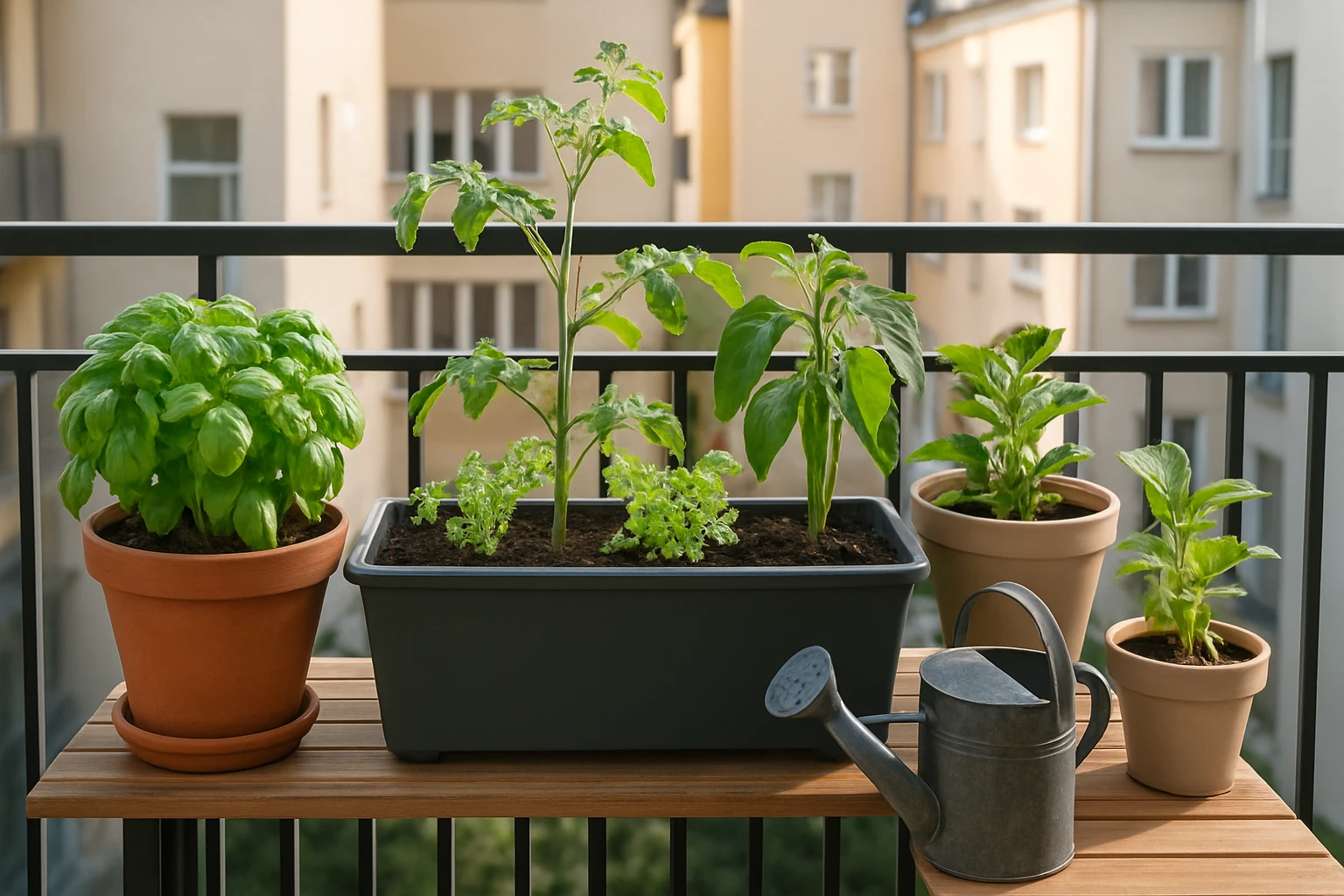
How to Create an Edible Balcony Garden for Apartment Preppers: Grow Fresh Food in Small Spaces
Introduction
The guide explains how a limited balcony can become a reliable source of fresh vegetables, herbs, and fruits for an apartment prepper. It emphasizes the importance of self‑sufficiency, especially when external supply chains become unpredictable. Readers will learn to assess space, select appropriate containers, prepare soil, choose resilient crops, and maintain a productive system. The information remains valuable even if readers choose not to purchase any recommended products.
By following the structured steps, an individual can maximize yields while minimizing water use and maintenance effort. The approach combines proven horticultural practices with modern space‑saving tools. It also addresses common challenges such as wind exposure, limited sunlight, and weight restrictions on balconies. Ultimately, the guide empowers preppers to secure a continuous supply of edible produce.
What You’ll Need
- Container system suitable for vertical or raised planting (e.g., VECELO Stackable Garden Planter or FOYUEE Raised Garden Bed).
- High‑quality potting mix formulated for containers.
- Selection of edible plants suited for balcony conditions.
- Watering tools such as a drip‑irrigation kit or watering can.
- Basic gardening tools: trowel, pruning shears, and gloves.
- Sunlight measuring device or a simple observation schedule.
Step 1: Assess Your Balcony Space and Light
The first task is to measure the usable floor area and note any structural load limits imposed by the building. One should also record the direction the balcony faces and the number of sunlight hours it receives each day. Preppers can use a simple notebook to log wind patterns, as excessive gusts may damage lightweight containers. This assessment determines which crops will thrive and which container system will fit without obstructing pathways.
Step 2: Choose the Right Container System
Vertical stacking containers are ideal when floor space is at a premium, while raised beds provide deeper soil volume for root‑heavy vegetables. The VECELO Stackable Garden Planter offers five tiers, self‑watering capability, and wheels for easy repositioning, making it perfect for herbs, strawberries, and compact leafy greens. It costs $39.99, carries a 4.0 rating from 329 reviews, and includes soil separators and a hanging chain for flexible arrangement. For growers who require a deeper planting box and additional storage, the FOYUEE Raised Garden Bed provides a 6‑inch deep box, a 2‑tier shelf for tools, and an integrated trellis for climbing crops; it is priced at $75.99 and holds a 4.5 rating from 133 reviews. Selecting between these options depends on the available height, desired plant variety, and the need for mobility versus stability.
Step 3: Prepare a Balanced Potting Mix
A high‑quality potting mix should contain peat or coconut coir for water retention, perlite for aeration, and a modest amount of compost for nutrients. Preppers can create their own blend by mixing one part compost, one part peat, and one part perlite, adjusting the ratios based on plant water requirements. The self‑draining feature of the VECELO planter reduces the risk of waterlogging, yet adding a thin layer of gravel at the bottom further ensures excess water exits safely. For the FOYUEE raised bed, the deeper soil volume allows a slightly richer mix, which can support larger vegetables such as tomatoes and peppers.
Step 4: Select Edible Plants Suited to the Environment
Choose crops that match the sunlight exposure recorded in Step 1; for full sun (6‑8 hours) select tomatoes, peppers, and dwarf beans, while partial shade (3‑5 hours) favors lettuce, spinach, and herbs like basil and cilantro. Vertical growers benefit from climbing varieties such as pole beans and cucumbers, which can be trained onto the FOYUEE trellis. Herbs and small fruiting plants thrive in the compact tiers of the VECELO system, allowing multiple species to coexist without competition. It is advisable to start with seedlings rather than seeds to reduce the time to harvest, especially for preppers seeking immediate food security.
Step 5: Install an Efficient Watering System
Consistent moisture is critical for container gardening; a drip‑irrigation line with a timer can automate watering and conserve water. If a drip system is not available, the self‑watering reservoirs of the VECELO planter provide a passive solution that releases water gradually to the roots. The FOYUEE raised bed does not include built‑in watering, so a simple watering can with a long spout can be used to reach the lower shelf without disturbing the soil. Regardless of method, water should be applied early in the morning to reduce evaporation and fungal risk.
Step 6: Ongoing Maintenance and Harvest
Regular tasks include checking soil moisture, pruning dead foliage, and rotating crops to prevent nutrient depletion. Preppers should inspect the wheels of the VECELO planter weekly to ensure smooth movement, especially after heavy rain. The FOYUEE trellis may require occasional tying of vines with soft garden twine to maintain proper orientation. Harvest should be performed in the morning when plant sugars are highest, and any harvested produce should be stored in a cool, dry place to extend freshness.
Tips & Pro Tips
- Use reflective garden foil on the balcony railing to increase light intensity for shade‑tolerant crops.
- Apply a thin layer of organic mulch on the soil surface to retain moisture and suppress weeds.
- In windy locations, attach the VECELO planter to the balcony railing with zip ties for added stability.
- Consider companion planting; basil repels pests that affect tomatoes, and marigolds deter nematodes.
- For winter preparation, move containers to a sheltered indoor area or wrap them with frost‑protective fabric.
Troubleshooting
| Problem | Possible Cause | Solution |
|---|---|---|
| Wilting leaves | Insufficient water or root damage | Check reservoir level in VECELO planter; increase watering frequency; ensure drainage holes are not blocked. |
| Yellowing foliage | Nutrient deficiency or over‑watering | Apply a balanced liquid fertilizer; verify soil is not constantly soggy. |
| Leggy growth | Inadequate sunlight | Reposition containers to a sunnier spot; consider reflective panels. |
Conclusion
The guide has demonstrated how an apartment prepper can convert a modest balcony into a reliable source of fresh food. By assessing space, selecting appropriate containers such as the VECELO Stackable Garden Planter or the FOYUEE Raised Garden Bed, preparing a balanced mix, and following systematic planting and maintenance steps, a productive edible garden becomes achievable. The included tips and troubleshooting advice help sustain yields throughout the growing season. Preppers are encouraged to implement the plan, adapt it to their unique environment, and enjoy the security of home‑grown nutrition.
Products Mentioned in This Guide
Frequently Asked Questions
What types of containers are best for a small balcony garden?
Lightweight, stackable or vertical planters made of plastic, fabric, or metal with good drainage are ideal for limited balcony space.
How can I maximize sunlight on a limited balcony space?
Orient containers toward the sun, use reflective surfaces, and choose compact, shade‑tolerant varieties for lower‑light spots.
Which crops are most resilient for apartment prepper balcony gardens?
Herbs like basil and mint, leafy greens such as kale and lettuce, and dwarf varieties of tomatoes, peppers, and strawberries thrive in containers.
How do I manage water usage and drainage in balcony containers?
Use saucers or a drip‑irrigation system, water early in the day, and select soil mixes that retain moisture while draining excess water.
What steps can I take to protect my balcony garden from wind and weight limits?
Secure pots with brackets, add windbreaks like lattice or fabric, and choose lightweight soil mixes to stay within balcony load specifications.