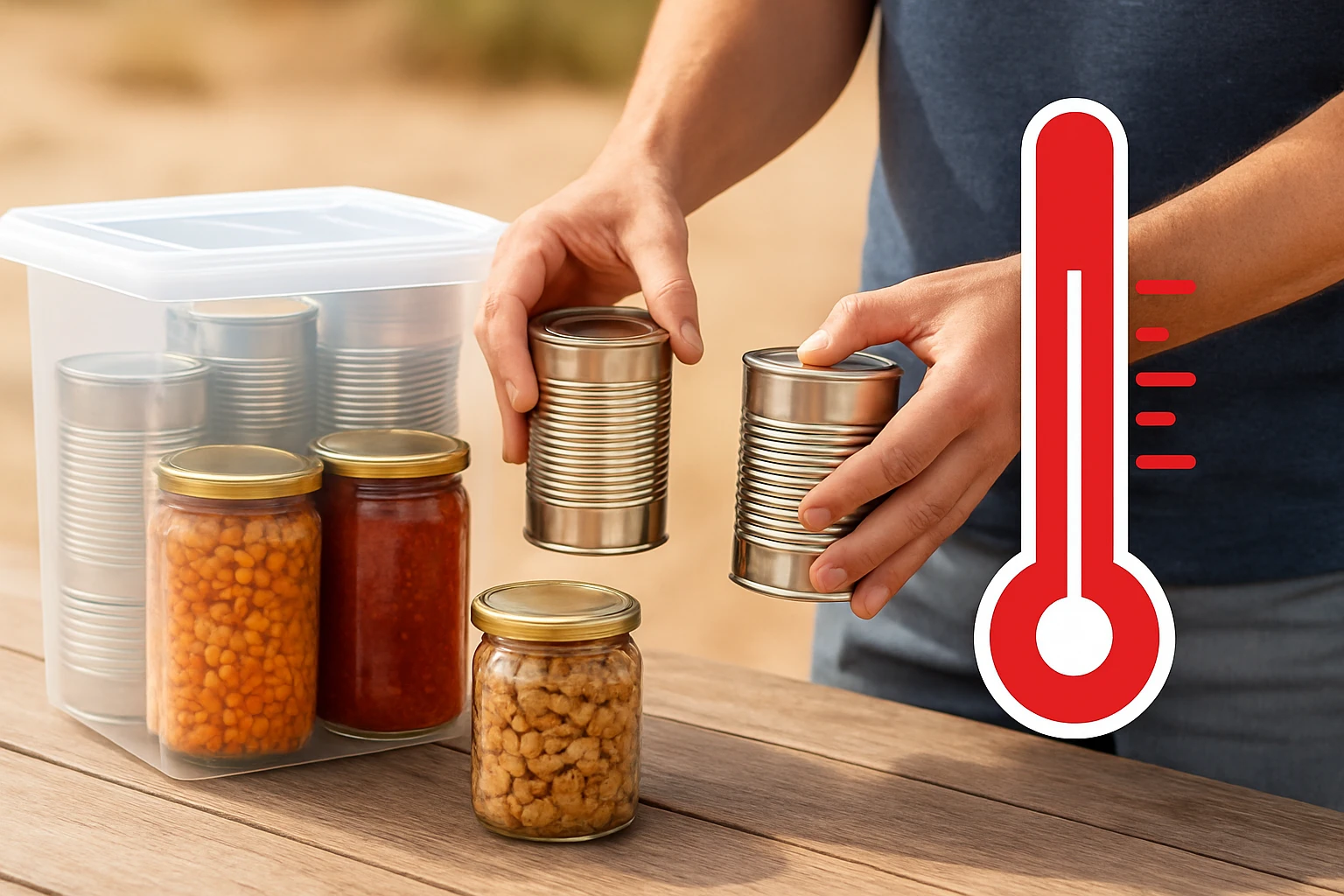
How to Store Emergency Food Safely in Extreme Heat: A Step‑by‑Step Guide
In regions where summer temperatures regularly exceed ninety degrees Fahrenheit, preserving emergency food becomes a critical challenge. This guide explains how one can protect nutrient‑dense rations from heat‑induced degradation while maintaining readiness for disaster scenarios. Readers will learn practical steps, recommended tools, and best‑practice tips that ensure food remains safe, palatable, and nutritionally intact. The information presented is valuable for homeowners, bug‑out bag enthusiasts, and anyone responsible for community preparedness.
What You'll Need
- Airtight, temperature‑resistant storage containers such as the KEMETHY 40‑Piece Food Storage Set.
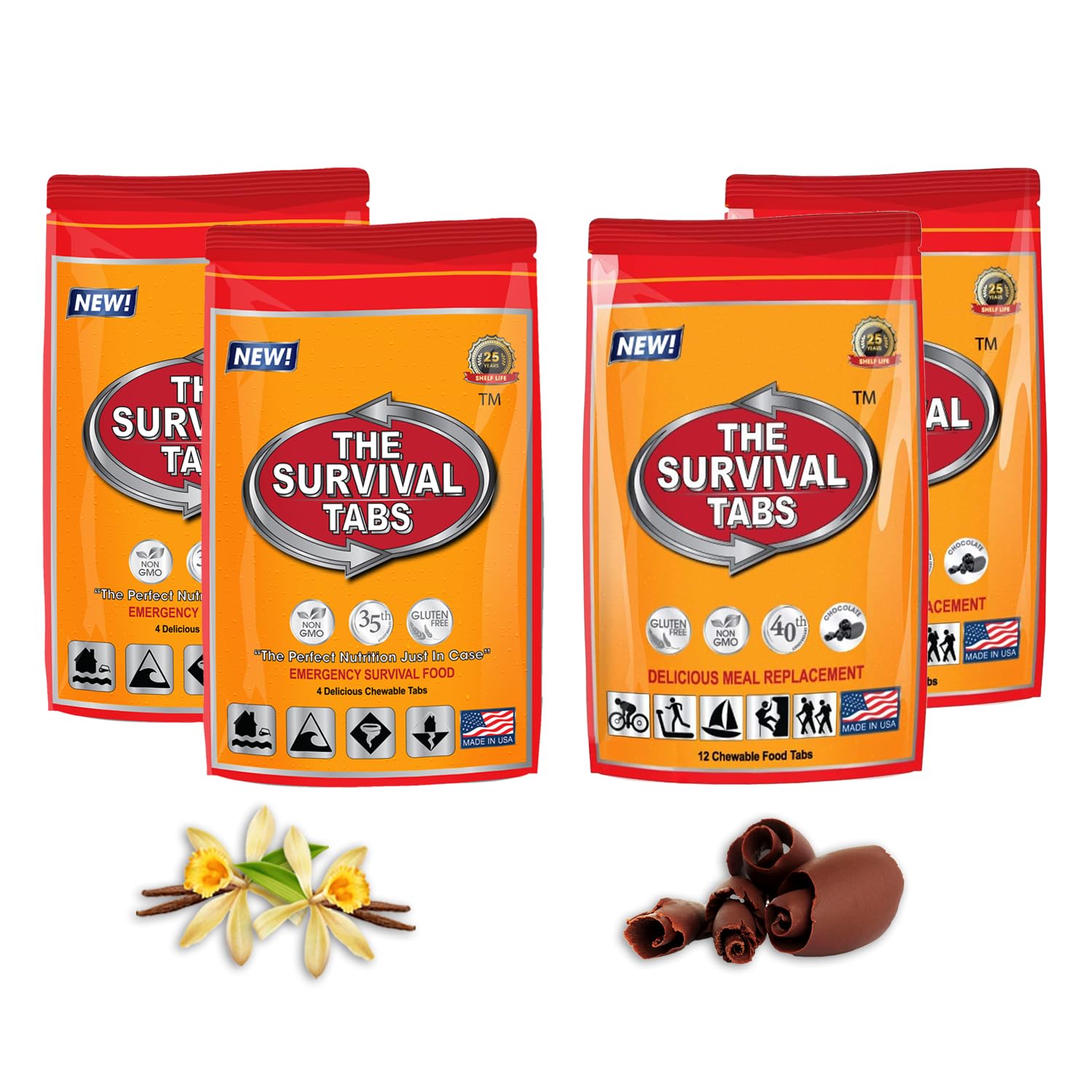
- Compact emergency rations like the Survival Tabs 8‑Day Food Supply.
- Silica gel packets or other desiccants to control humidity.
- A reliable thermometer for monitoring ambient temperature.
- Labels and a permanent marker for clear identification.
Step 1: Assess the Storage Environment
Begin by measuring the maximum temperature that the intended storage area reaches during the hottest months. One should record the temperature at different times of day for at least one week to understand fluctuations. If the peak temperature consistently exceeds eighty‑five degrees Fahrenheit, additional protective measures become necessary. This assessment informs the selection of containers and the placement of the food supply.
Step 2: Choose Appropriate Airtight Containers
The most effective barrier against heat and moisture is an airtight container made from food‑grade polypropylene. The KEMETHY 40‑Piece Food Storage Set offers 20 containers and 20 lids ranging from 1.2 to 50 ounces, providing flexibility for different portion sizes. Each lid features a silicone seal and four reinforced latches, ensuring a hermetic closure that limits heat transfer and prevents oxygen ingress. With a 4.5‑star rating from over four thousand reviewers, the set is praised for durability, leak‑proof performance, and microwave‑safe construction, making it a reliable choice for emergency food storage.
Step 3: Prepare the Emergency Rations
Compact, nutritionally complete meals are essential when space and weight are limited. The Survival Tabs 8‑Day Food Supply provides 96 chewable tablets that deliver 100 % of fifteen essential vitamins and minerals, are gluten‑free, non‑GMO, and contain only twenty calories per tablet. Each pouch weighs approximately ten ounces and fits easily into a small container, reducing the risk of exposure to external heat. With a 4.6‑star rating from more than three thousand reviews, users commend the product for its taste, convenience, and long shelf life, which can exceed ten years when stored correctly.
Step 4: Pack Food Using a Two‑Layer System
Place the emergency rations inside the smallest KEMETHY container that accommodates the pouch without excess space; this minimizes air pockets that can accelerate temperature rise. Surround the container with a second, larger KEMETHY container and insert a few silica gel packets to absorb residual moisture. Seal both containers tightly, then label the outer container with the contents, purchase date, and expiration date using the included reusable labels and marker. This layered approach creates an additional thermal buffer and simplifies inventory management.
Step 5: Store in the Coolest Available Location
Even with airtight containers, placement in the coolest part of the home dramatically extends shelf life. Ideal locations include a basement, interior closet, or a shaded pantry away from direct sunlight and appliances that generate heat. If a climate‑controlled safe room is available, store the containers there and maintain a temperature below seventy degrees Fahrenheit. Use the thermometer to verify that the storage area remains within the recommended range, checking weekly during heat waves.
Step 6: Implement a Rotation Schedule
Emergency food should be rotated at least once every twelve months to ensure freshness and potency. Mark each container with the date of purchase and the expected expiration, then move the oldest items to the front of the storage stack during each rotation. By regularly replacing older rations with fresh supplies, one mitigates the risk of nutrient loss caused by prolonged exposure to high temperatures. This practice also provides an opportunity to inspect containers for seal integrity and replace any compromised desiccants.
Tips & Pro Tips
- Consider using reflective foil blankets around the outer container to deflect solar radiation.
- Store containers on a raised platform to avoid heat conduction from concrete floors.
- When traveling, keep the Survival Tabs in an insulated pouch to protect them from vehicle interior heat.
- Periodically test the airtight seal by submerging a sealed container in water; if bubbles emerge, the seal is compromised.
Troubleshooting
Problem: Food develops an off‑taste after a heat wave.
Solution: Verify that the container lid was fully engaged and that the silicone seal was clean. Replace the seal if it shows signs of wear, and add fresh silica gel packets to control humidity.
Problem: Tablets become sticky or clump together.
Solution: Store the Survival Tabs in a cooler, dry environment and ensure the container is completely sealed. If clumping persists, transfer the tablets to a new KEMETHY container with a fresh desiccant.
Conclusion
Storing emergency food safely in extreme heat requires careful assessment, appropriate containers, and disciplined rotation. By following the step‑by‑step process outlined above, one can preserve the nutritional quality of the Survival Tabs 8‑Day Food Supply and maintain a reliable emergency stockpile. The recommended KEMETHY 40‑Piece Food Storage Set provides a versatile, airtight solution that protects food from temperature spikes and moisture. Implementing these practices ensures readiness for any disaster while minimizing waste and expense.
Products Mentioned in This Guide
Frequently Asked Questions
What type of container best protects emergency food from extreme heat?
Use airtight, temperature‑resistant containers such as heavy‑wall polycarbonate or insulated metal boxes that block heat and moisture.
How do desiccants help preserve food in hot climates?
Desiccants absorb excess humidity, preventing moisture‑driven spoilage and mold growth even when temperatures rise.
How often should I check the temperature of stored emergency food?
Monitor the storage temperature at least once a week with a reliable thermometer and adjust insulation if it exceeds 90°F (32°C).
Can I store emergency rations in a garage or shed during summer?
Only if the space is insulated, ventilated, and equipped with a thermometer; otherwise, keep the rations in a cooler or climate‑controlled area.
What labeling practice ensures food stays within its safe shelf life?
Label each package with the purchase date and a “use by” date, and rotate stock annually to keep the oldest items at the front.
