Introduction
In emergency preparedness, the reliability of stored food can mean the difference between comfort and crisis. This guide teaches readers how to evaluate the safety, freshness, and remaining shelf life of emergency rations using systematic, low‑cost methods. By following each step, one can avoid the health risks associated with spoiled supplies while preserving valuable resources for future use. The information presented is practical for individuals, families, and community shelters alike.
What You’ll Need
- A bright flashlight or headlamp to illuminate sealed containers.
- A magnifying glass for close‑up visual inspection of packaging.
- A clean, odor‑free kitchen area for conducting smell tests.
- A digital thermometer for temperature‑sensitive items.
- Pen and waterproof notebook for recording observations.
- Your Blood Never Lies – a concise guide to interpreting blood‑test results, useful for understanding how food‑borne issues may appear in laboratory values.
- Praxis® Teaching Reading Elementary 5205 – a comprehensive test‑prep book that strengthens reading comprehension, enabling one to decode complex food‑safety labels and government advisories.
- Foundations of Reading Test – an advanced reading‑strategy resource that assists in interpreting technical instructions on emergency‑food packaging.
Step 1: Visual Inspection
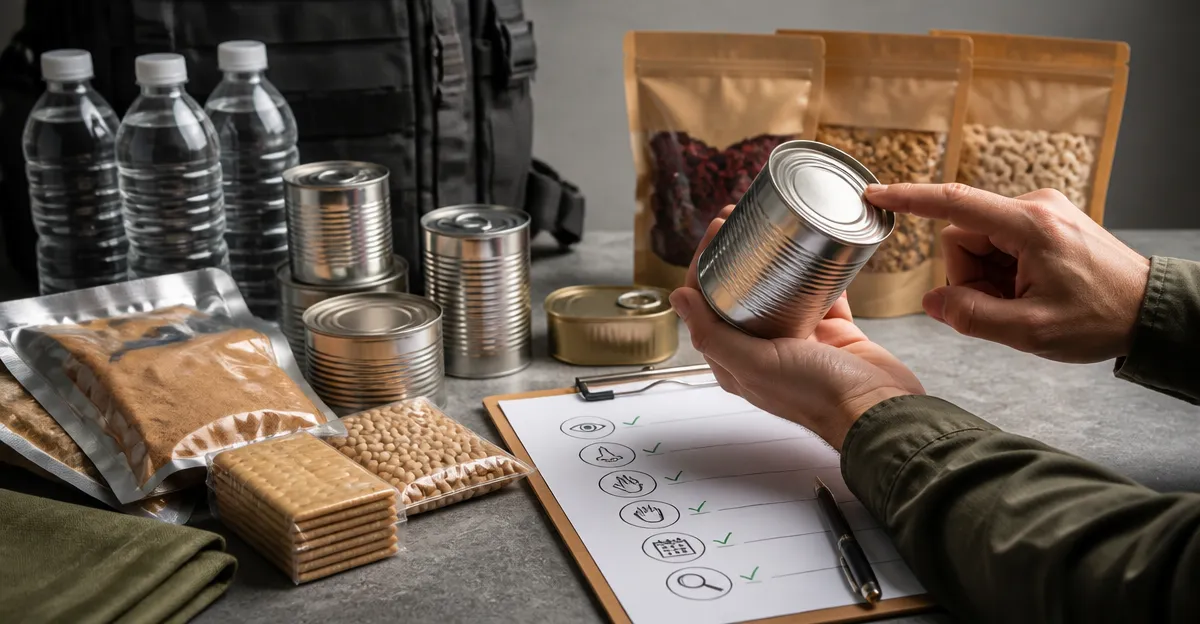
The first assessment should always be visual. Remove the food from its storage area and examine the outer packaging for signs of compromise. Look for torn seals, punctures, discoloration, or any evidence of moisture infiltration. A clear, intact barrier is essential because exposure to air and humidity accelerates oxidative rancidity and microbial growth.
If the product is in a metal can, inspect the lid for rust or bulging; a bulging can indicates gas production from bacterial activity. For vacuum‑sealed bags, ensure the seal remains unbroken and the interior appears dry. Document any irregularities in the notebook for later reference.
Step 2: Smell Test
After confirming the packaging appears intact, open the container in a well‑ventilated area and gently inhale. A sour, rancid, or putrid odor is a strong indicator of spoilage, especially for high‑fat items such as nuts, dried meats, and powdered dairy.
Do not taste the food at this stage. If the smell is neutral or faintly pleasant, proceed to the next step. The human olfactory system can detect volatile compounds that are invisible to the eye, making this a quick safety filter.
Step 3: Texture and Consistency Check
Touch the food with clean fingertips or a sterile utensil. For dried goods, feel for clumping, excessive hardness, or unexpected softness. Moisture that has seeped into a product can foster mold growth, even if the smell seems acceptable.
For canned liquids, observe whether the fluid separates or appears cloudy. Separation can signal protein denaturation, while cloudiness may indicate bacterial contamination. Any deviation from the product’s usual texture should be recorded and the item discarded.
Step 4: Verify Packaging Integrity
Beyond the outer seal, examine any inner liners, zip‑locks, or secondary wrappers. Use a magnifying glass to detect micro‑tears or insect activity. Small punctures can allow spores to enter, which may not be immediately apparent during visual inspection.
If the food is stored in a Mylar bag, press gently along the seams; a properly sealed bag will retain a vacuum and feel firm. A loss of tension suggests air ingress, which reduces shelf life dramatically.
Step 5: Check Expiration Dates and Shelf Life
Locate the manufacturer’s “best‑by” or “use‑by” date printed on the packaging. While many emergency foods are designed for multi‑year stability, they are not indefinite. Compare the printed date with the time elapsed since purchase. If the product is within its guaranteed shelf life, it remains a viable candidate pending the earlier checks.
When the date is missing, consult the product’s typical shelf‑life guidelines—often found in the accompanying pamphlet or on the brand’s website. For example, freeze‑dried meals generally retain nutritional quality for 10‑25 years when stored correctly.
Step 6: Nutritional and Health Impact Assessment
Even if a food item passes visual, olfactory, and textural tests, it may still pose a subtle health risk. Consuming spoiled food can lead to gastrointestinal distress, which may be reflected in altered blood‑test results such as elevated white‑blood‑cell counts or liver enzymes.
For those who wish to monitor potential physiological effects, the book Your Blood Never Lies provides a clear framework for interpreting common blood‑test markers. The guide, authored by James B. LaValle, holds a rating of 4.6 stars from 605 reviewers, indicating reliable content. By cross‑referencing post‑consumption symptoms with the book’s explanations, readers can decide whether medical evaluation is warranted.
Step 7: Strengthen Reading Comprehension for Future Checks
Emergency‑food packaging often includes dense instructions, nutritional tables, and safety notices. Mastering the ability to quickly decode these sections reduces the likelihood of overlooking critical warnings.
The resource Praxis® Teaching Reading Elementary 5205 offers proven strategies for extracting essential information from complex texts. Priced at $36.99 and rated 4.7 stars from 400 reviews, this paperback equips readers with techniques that translate directly to reading food‑safety labels accurately.
For more advanced practice, the Foundations of Reading Test provides additional exercises in analytical reading. At $42.99 and a 4.7‑star rating from 68 reviewers, it reinforces skills needed to interpret technical specifications such as storage temperature ranges and moisture‑content limits.
Tips & Pro Tips
- Store emergency food in a cool, dark location; temperature fluctuations accelerate degradation.
- Rotate stock every 12‑18 months using the “first‑in, first‑out” method to ensure the oldest items are used first.
- Consider a small, portable food‑safety test kit for detecting bacterial toxins; these kits complement the visual and olfactory methods described.
- Keep a dedicated logbook that records inspection dates, observations, and any corrective actions taken.
- When in doubt, discard the item. The cost of a spoiled meal is negligible compared to the potential medical expenses of food‑borne illness.
Troubleshooting
| Problem | Possible Cause | Solution |
|---|---|---|
| Unusual odor but intact packaging | Slow oxidation or hidden mold | Perform a small taste test only if no symptoms appear; otherwise discard. |
| Package appears dry but food feels sticky | Moisture ingress through micro‑tears | Inspect inner liners closely; replace with fresh stock. |
| Expiration date missing | Older product or generic bulk purchase | Contact manufacturer for shelf‑life data or use conservative 5‑year rule. |
Conclusion
By applying the systematic approach outlined above, readers can confidently determine whether emergency rations remain safe and nutritious. Regular inspections, proper storage, and a solid understanding of label information minimize waste and protect health. The recommended reading resources further empower individuals to interpret medical and textual data, ensuring informed decisions during crises.
Products Mentioned in This Guide
Frequently Asked Questions
How can I visually inspect emergency food for spoilage?
Use a bright light and magnifying glass to check for discoloration, mold, tears, or bulging packaging.
What does a strange odor indicate about stored rations?
Off‑smells usually mean microbial growth or chemical breakdown, so the food should be discarded.
When should I use a thermometer on emergency food?
Measure the temperature of temperature‑sensitive items (e.g., dehydrated meals, canned goods) if they have been exposed to heat, ensuring they are below the recommended storage range.
How often should I record observations of my emergency supplies?
Log checks at least every six months, noting date, condition, and any anomalies in a waterproof notebook.
Can I rely on expiration dates for long‑term stored food?
Expiration dates are a guide; regular visual, smell, and temperature checks are needed to confirm actual safety.