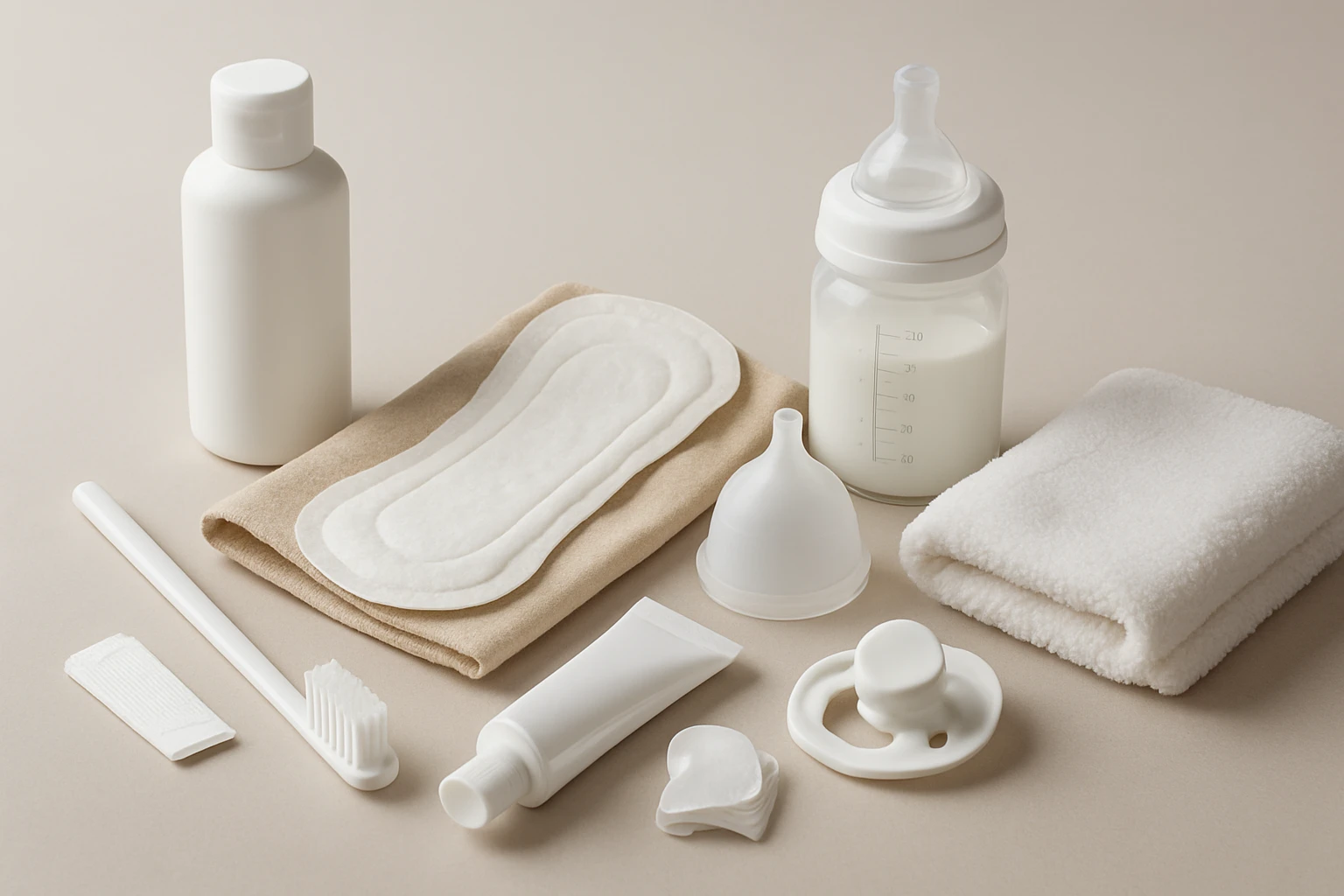

Hygiene for Emergencies: Dental, Menstrual & Infant Care
Introduction
The ability to maintain personal hygiene during prolonged emergencies can prevent illness and preserve morale. This guide explains essential practices for dental, menstrual and infant care when resources are limited. Readers will learn foundational concepts, practical strategies, and product recommendations that enhance field hygiene. By following the advice presented, one can protect health and dignity in challenging circumstances.
Background and Context
Extended emergencies, such as natural disasters or displacement scenarios, often disrupt access to clean water and sanitation facilities. Under such conditions, conventional hygiene routines become impractical, requiring portable and self‑contained solutions. Understanding the physiological needs of teeth, the menstrual cycle, and infant care is critical for selecting appropriate tools. This background provides the lens through which the subsequent recommendations are evaluated.
Scientific research indicates that inadequate oral hygiene can increase the risk of systemic infections, while poor menstrual management may lead to skin irritation and infection. Infants are particularly vulnerable to dehydration and diaper‑related dermatitis when hygiene supplies are scarce. Therefore, a proactive approach that combines knowledge with reliable products is essential for resilience. The sections that follow address each domain in detail.
Dental Care in the Field
Effective oral hygiene reduces bacterial load, prevents cavities, and supports overall immune function, especially when medical care is distant. In emergency settings, a compact kit that includes a toothbrush, floss, and a timing device ensures consistent brushing habits. The Ceonam Braces Cleaning Travel Kit offers a specialized orthodontic toothbrush, interdental brush, floss, and a built‑in hourglass timer to encourage the recommended three‑minute brushing period.
Key specifications of this kit include a portable orthodontic toothbrush designed to clean around brackets, an interdental brush for hard‑to‑reach areas, and a dental mirror for visual inspection. The product holds a rating of 4.7 out of 5 stars from 595 reviews, indicating strong user satisfaction. Priced at $7.99, it provides a cost‑effective solution for both orthodontic patients and general users seeking thorough cleaning. The inclusion of a timer helps maintain the dentist‑recommended brushing duration, which is crucial for plaque control.
To maximize the kit’s effectiveness, one should brush twice daily, using the timer to ensure a full three minutes per session. Flossing after each meal removes debris that toothbrushes cannot reach, while the interdental brush addresses larger gaps. The dental mirror allows early detection of cavities or gum inflammation, prompting timely professional care when possible. Storing the kit in a waterproof pouch protects the components from contamination and moisture.
Menstrual Hygiene Management
Menstrual hygiene is a critical yet often overlooked component of emergency preparedness, affecting comfort, health and dignity. A reliable kit should contain absorbent products, disposal bags, and cleansing wipes that are compact and biodegradable when possible. While the products provided in the brief do not include menstrual items, the principles of portability and TSA compliance apply equally to menstrual supplies.
When selecting menstrual products for emergencies, consider reusable cloth pads that can be washed with limited water, or high‑absorbency tampons that require less frequent changes. Packaging should be discreet and waterproof to prevent leakage and odor. Additionally, a small bottle of mild, fragrance‑free soap or a travel‑size hand sanitizer can be used to cleanse the perineal area safely.
Practical tips include changing absorbent products every four to six hours to reduce the risk of bacterial growth, and storing used items in sealed plastic bags until proper disposal is possible. For those with limited water, a portable bidet bottle can provide a gentle rinse without extensive resources. Education on proper hand hygiene before and after handling menstrual products further mitigates infection risk.
Infant Care and Hygiene
Infants require meticulous care, as their skin is delicate and their immune systems are still developing. Essential items include a compact diaper kit, gentle cleansing wipes, and a small bottle of hypoallergenic lotion. Though the provided product list does not contain infant‑specific items, the same criteria of portability, TSA compliance and bulk availability are relevant for assembling an infant hygiene kit.
When assembling an infant kit, prioritize diapers that are sized appropriately for the child’s weight and include a small, resealable bag for used diapers. Travel‑size baby wipes should be alcohol‑free to avoid skin irritation, and a compact, BPA‑free feeding bottle can be used for expressed milk or formula. A lightweight, foldable changing mat provides a clean surface in any environment.
Best practices involve changing diapers promptly to prevent diaper rash, using a barrier cream if irritation occurs, and sanitizing hands before each feeding. In the absence of running water, a small bottle of sterile saline can be used to clean the infant’s face and eyes. Maintaining a calm environment and adhering to a consistent feeding schedule supports the infant’s emotional well‑being during emergencies.
Comparison and Selection Guide
Choosing the right hygiene products for emergencies involves evaluating size, versatility, and durability. For dental care, the Ceonam Braces Cleaning Travel Kit excels in providing specialized tools for orthodontic patients, while also serving general oral hygiene needs due to its comprehensive accessories.
In contrast, the Convenience Kits Men's Travel Set offers a broad assortment of grooming items, including a razor, shampoo, deodorant and a TSA‑compliant toiletry bag, making it ideal for overall personal hygiene. When selecting between the two, consider whether dental specificity or overall grooming breadth is the priority. Both kits are priced affordably, with the men's travel set at $11.35 and a rating of 4.3 from 967 reviews, indicating reliable performance.
Best Practices & Tips
Beyond product selection, disciplined routines are essential for sustaining hygiene in emergencies. Establish a daily schedule that allocates time for brushing, menstrual product changes, and infant diaper checks, treating these tasks as non‑negotiable. Store all kits in a dedicated, waterproof container that can be quickly accessed during evacuation or sheltering.
Regularly inspect kits for expired items, broken components or depleted supplies, and replenish them during periods of stability. When water is scarce, use alcohol‑based hand sanitizer to clean hands before handling any hygiene product, and consider portable water purification tablets for safe rinsing. Training all household members in the proper use of each kit enhances collective resilience.
Frequently Asked Questions
- How often should I replace toothbrushes in an emergency kit? Replace the brush every three months or sooner if bristles become frayed; a spare brush can be stored in a sealed bag.
- Can reusable menstrual pads be used without laundry facilities? Yes; they can be rinsed with minimal water, wrung out, and air‑dried in a clean container.
- What is the minimum amount of water needed for basic oral hygiene? Approximately 200 ml per brushing session is sufficient when combined with a low‑foam toothpaste.
- Are there any TSA restrictions for infant hygiene items? Most infant toiletries are allowed in travel‑size containers under 100 ml; the men’s travel set complies with these limits.
- How can I maintain diaper hygiene without running water? Use pre‑moistened, alcohol‑free wipes and store used diapers in sealed bags until disposal.
Conclusion
Maintaining dental, menstrual and infant hygiene during extended emergencies safeguards health, dignity and psychological stability. By integrating compact, TSA‑compliant kits such as the Ceonam Braces Cleaning Travel Kit and the Convenience Kits Men's Travel Set, individuals can ensure consistent access to essential care items. Coupled with disciplined routines and regular kit maintenance, these strategies empower individuals to navigate crises with confidence. The knowledge and tools presented here form a solid foundation for effective field hygiene under any circumstance.
Products Featured in This Guide
Convenience Kits Men's Travel Set
Price: $11.35
Rating: 4.3/5 (967 reviews)
Featured for its comprehensive 16‑piece, TSA‑compliant toiletry collection that addresses grooming, oral care and travel convenience.
Ceonam Braces Cleaning Travel Kit
Price: $7.99
Rating: 4.7/5 (595 reviews)
Featured for its specialized orthodontic toothbrush, interdental brush, floss and built‑in hourglass timer, providing thorough oral care in compact form.
