Complete Guide: Medications & Supplies for Your Emergency Kit
Introduction
One must understand that an emergency kit is a cornerstone of personal and workplace safety. This guide explains the essential medications and medical supplies required for a well‑rounded emergency preparedness plan. Readers will learn how to assess risk, select appropriate items, and maintain the kit over time. By the end, one will be equipped to create a kit that meets both regulatory standards and real‑world needs.
Background and Context
Emergency preparedness has evolved from a niche concern to a mainstream responsibility for households, businesses, and public institutions. Regulatory bodies such as OSHA and ANSI provide guidelines that influence the composition of first‑aid supplies, while health agencies recommend specific medications for common scenarios. Understanding these frameworks helps one align the kit with legal requirements and best‑practice health outcomes. Moreover, awareness of potential hazards—natural disasters, industrial accidents, or pandemics—guides the selection of specialized items.
Core Medications for Every Emergency Kit
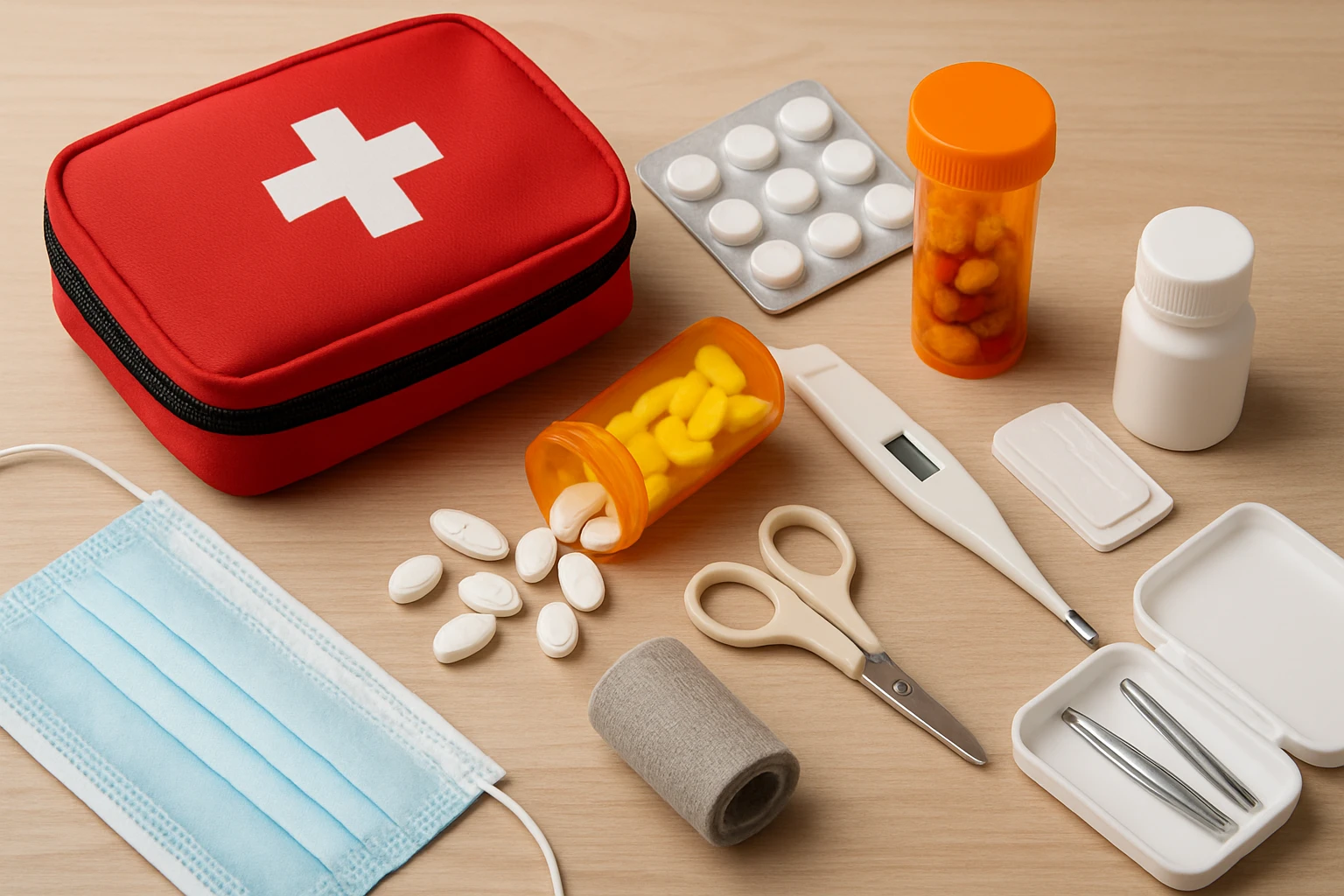
One should begin with a core set of medications that address the most frequent health emergencies. Analgesics such as acetaminophen and ibuprofen relieve pain and reduce fever, while antihistamines like diphenhydramine manage allergic reactions. Antiseptic ointments, for example bacitracin, prevent infection in minor cuts, and oral rehydration salts address dehydration caused by vomiting or diarrhea. Including a short‑course of prescription antibiotics is advisable only when a qualified health professional has provided a standing order.
When selecting these medications, consider shelf life, dosage forms, and the needs of vulnerable individuals in the household. For instance, children may require liquid formulations, whereas adults may prefer tablets for ease of storage. All medications should be stored in airtight containers, labeled clearly with expiration dates, and rotated regularly to maintain potency.
Essential Medical Supplies
Medical supplies complement medications by providing the tools needed to administer care effectively. Bandages, gauze pads, and adhesive tape are fundamental for wound management, while elastic wraps support sprains and strains. Burn dressings, scissors, and tweezers enable rapid response to thermal injuries and foreign‑body removal. Personal protective equipment—gloves, masks, and eye protection—protects the responder from contamination.
In industrial or corporate environments, the scale of supplies must match the size of the workforce. For example, a facility with up to 50 employees benefits from a bulk refill system that ensures each individual has access to the necessary items. This is where the First Aid Only 50-Person Refill Kit becomes highly valuable.
Product Recommendation: First Aid Only 50-Person Refill Kit
The First Aid Only 50-Person Refill Kit offers a comprehensive set of 237 pieces designed for industrial facilities and large corporate offices. It includes adhesive bandages, antibiotic ointments, BZK antiseptic towelettes, burn cream, and other essential items, providing coverage for up to 50 individuals. The kit is compatible with First Aid Only SmartCompliance cabinets, allowing seamless integration with existing storage solutions.
Key features such as the SmartTab ezRefill System simplify inventory management by enabling quick reordering and restocking. Color‑coded packaging aligns with ANSI recommendations, ensuring rapid identification during emergencies. Moreover, the kit is both HSA and FSA eligible, offering financial flexibility for organizations and individuals alike. With a rating of 4.7 out of 5 stars from 523 reviews and a price of $69.28, it represents a cost‑effective solution for comprehensive first‑aid coverage.
Comparison and Selection Guide
Choosing the right medical supply kit depends on several criteria: size of the user group, regulatory compliance, budget, and ease of maintenance. For small households, a compact 20‑person kit may suffice, whereas larger workplaces should consider bulk refill options like the 50‑person kit. Compare the number of items, the inclusion of medication versus supplies, and the compatibility with existing cabinets.
When evaluating products, prioritize the following factors:
- Item count and variety: Ensure the kit covers wound care, burn treatment, and basic medication.
- Compliance: Verify alignment with OSHA, ANSI, and local health regulations.
- Reorder system: Look for smart inventory features such as the SmartTab ezRefill System.
- Cost per person: Calculate the price relative to the number of users the kit supports.
By scoring each product against these criteria, one can make an evidence‑based decision that balances safety and fiscal responsibility.
Best Practices & Tips for Maintaining Your Kit
Regular maintenance is essential to preserve the effectiveness of an emergency kit. Schedule quarterly inspections to verify that all items are present, undamaged, and within their expiration dates. Replace expired medications promptly and replenish used supplies after each drill or real incident.
Train designated personnel on the location and proper use of each item, conducting mock scenarios at least twice a year. Document inventory changes in a logbook or digital system, noting the date of replacement and the responsible individual. Finally, store the kit in a clearly marked, climate‑controlled area to prevent degradation caused by temperature extremes or humidity.
Frequently Asked Questions
- How often should medications in an emergency kit be replaced? Replace all medications at least once a year or sooner if the expiration date is reached, whichever occurs first.
- Is a bulk refill kit suitable for a family of four? While it provides ample supplies, a smaller, family‑focused kit may be more cost‑effective and easier to store.
- Can I use the First Aid Only 50-Person Refill Kit in a home setting? Yes, the kit can be used at home, but its size may exceed typical household needs; however, it offers extensive coverage for larger gatherings.
- What does HSA/FSA eligibility mean for this product? It indicates that the purchase can be reimbursed through Health Savings Accounts or Flexible Spending Accounts, providing tax‑advantaged funding.
- How does the SmartTab ezRefill System work? The system uses color‑coded tabs and QR codes to streamline inventory checks and reorder processes, reducing manual effort.
Conclusion
One can confidently build an emergency kit that protects health and complies with safety standards by integrating essential medications, comprehensive medical supplies, and smart inventory solutions. The First Aid Only 50-Person Refill Kit exemplifies a product that meets these requirements for larger groups, offering durability, regulatory alignment, and ease of restocking. Ongoing maintenance, training, and periodic reviews ensure the kit remains ready for any unforeseen event.
By following the guidelines outlined in this guide, individuals and organizations will enhance their resilience, reduce response time during emergencies, and safeguard the well‑being of all participants.
Products Featured in This Guide
First Aid Only 50-Person Refill Kit
Price: $69.28 | Rating: 4.7/5 (523 reviews)
Why featured: This kit provides a comprehensive set of 237 first‑aid items suitable for up to 50 people, includes SmartTab ezRefill technology for easy inventory management, and meets ANSI color‑coding standards, making it ideal for both workplace and large‑family emergency preparedness.