Introduction
This guide explores how individuals can preserve mental health when faced with prolonged emergencies such as natural disasters, pandemics, or extended power outages. Readers will learn foundational concepts of stress response, evidence‑based coping strategies, and how specific self‑care products can reinforce resilience. The article balances theoretical insight with actionable recommendations, ensuring that even readers who do not purchase any items gain valuable knowledge.
Throughout the guide, the author references three carefully selected products that complement the discussed techniques. Each product is linked at its first appearance, and detailed specifications are provided later in the "Products Featured in This Guide" section.
By the end of this article, readers will possess a structured plan for mental‑health maintenance, a clear comparison of helpful tools, and a set of best‑practice tips that can be implemented immediately.
Background and Context
Prolonged emergencies generate chronic uncertainty, disruption of routine, and limited access to conventional support networks. The body’s stress response, mediated by the hypothalamic‑pituitary‑adrenal (HPA) axis, releases cortisol and adrenaline, which are adaptive in short bursts but become detrimental when sustained. Elevated cortisol can impair memory, weaken immune function, and exacerbate anxiety or depressive symptoms.
Research indicates that multimodal self‑care—combining mindfulness, sensory regulation, and physical activity—mitigates these effects. Interventions such as aromatherapy, guided breathing, and tactile stimulation have demonstrated reductions in perceived stress and improvements in sleep quality. Understanding these mechanisms enables individuals to select tools that align with personal preferences and situational constraints.
In emergency contexts, resources may be scarce, yet portable, low‑maintenance products can provide consistent support. The following sections outline core strategies and integrate product recommendations that meet criteria of affordability, portability, and effectiveness.
Understanding Stress and Its Manifestations
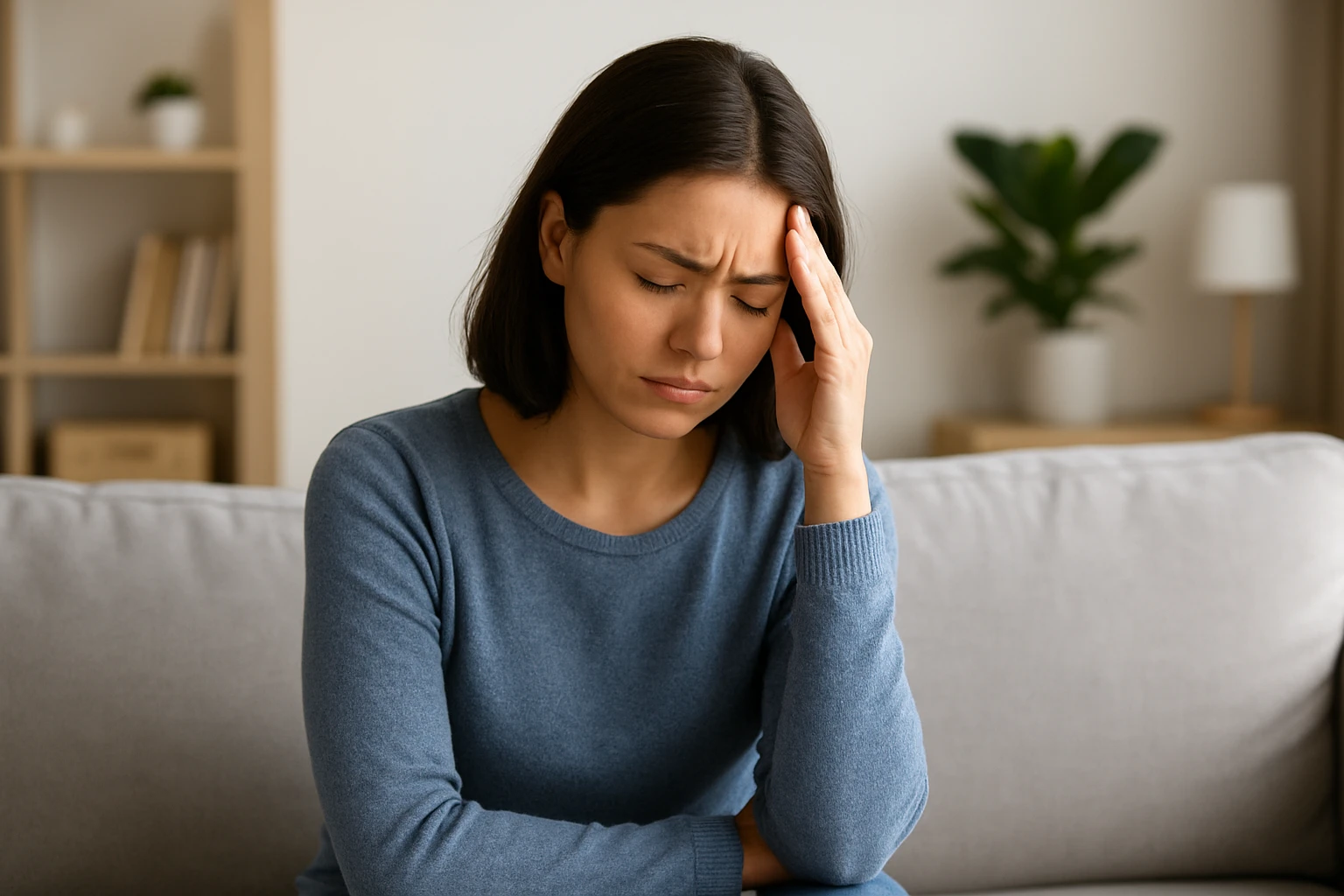
Stress manifests cognitively, emotionally, and physiologically. Common symptoms include racing thoughts, irritability, muscle tension, and disrupted sleep patterns. Recognizing early warning signs allows individuals to intervene before stress escalates into chronic anxiety or depressive episodes.
Key concepts to grasp include:
- Trigger identification: pinpointing events or thoughts that initiate the stress response.
- Self‑monitoring: maintaining a brief journal or mental log to track intensity and duration of stress episodes.
- Regulation techniques: employing strategies that activate the parasympathetic nervous system to restore balance.
These concepts form the foundation for the practical tools described in subsequent sections.
Incorporating Aromatherapy for Immediate Calm
Aromatherapy utilizes volatile plant compounds to influence the limbic system, which governs emotions and memory. When inhaled, essential oils can reduce heart rate and lower perceived anxiety. During emergencies, a portable roll‑on provides discreet, rapid access to these benefits.
The UpNature Calm Essential Oil Roll‑On offers a 100% natural blend of peppermint, sage, ginger, cardamom, and fennel oils, diluted in MCT carrier oil for safe skin application. Its key attributes include:
- Non‑GMO, toxin‑free formulation rated 4.5 out of 5 stars by over 6,400 reviewers.
- Travel‑friendly, TSA‑approved packaging suitable for on‑the‑go use.
- Pre‑diluted concentration that eliminates the need for additional carrier liquids.
Applying the roll‑on to pulse points—wrists, temples, or behind the ears—creates a calming scent halo that can be re‑activated throughout the day. Users report immediate reduction in anxiety and improved focus, making it an ideal adjunct to mindfulness practices.
Guided Breathing Devices for Structured Relaxation
Controlled breathing is a cornerstone of mindfulness, directly influencing heart‑rate variability and promoting parasympathetic activation. Visual cues simplify the process, especially for children or individuals unfamiliar with breathing exercises.
The Pal Mini Breathing Light integrates three guided breathing patterns—4‑7‑8 for anxiety relief, 5‑5 for relaxation, and 4‑4‑4‑4 for focus—each illuminated by color‑changing LEDs. Notable specifications include:
- Compact 3.3‑inch height, pocket‑sized for travel and classroom use.
- Rechargeable battery providing up to 20 hours of continuous operation.
- Built‑in 30‑ and 60‑minute timers with automatic shutdown for safety.
The device doubles as a comforting silicone night light, encouraging consistent bedtime routines. Its tactile squishiness also offers sensory feedback, which can be soothing for individuals with heightened sensory needs.
Hand Therapy and Tactile Stress Relief
Physical manipulation of the hands stimulates proprioceptive pathways, reducing nervous system arousal. Stress balls are inexpensive, durable, and require no power source, making them ideal for extended emergencies where electricity may be unreliable.
The Candescent Stress Balls Set comprises two foam‑filled gel balls in calming colors, each embossed with motivational quotes. Their benefits are documented as follows:
- 100% foam construction ensures long‑term elasticity and resistance to wear.
- Designed to alleviate tension associated with ADHD, carpal tunnel syndrome, and general anxiety.
- Provides a low‑intensity workout for hand muscles, promoting circulation and joint flexibility.
Users can incorporate the balls into brief micro‑breaks during prolonged periods of sedentary activity, thereby preventing muscle stiffness and enhancing mental focus.
Comparison and Selection Guide
| Feature | UpNature Calm Essential Oil Roll‑On | Pal Mini Breathing Light | Candescent Stress Balls Set |
|---|---|---|---|
| Primary Function | Aromatherapy for instant calm | Guided breathing with visual cues | Tactile hand therapy and stress reduction |
| Portability | Small roll‑on, fits in pocket | 3.3‑inch device, fits in backpack | Two foam balls, lightweight |
| Power Requirement | None | Rechargeable battery (20 h) | None |
| Price (USD) | $9.44 | $16.95 | $12.95 |
| Average Rating | 4.5/5 (6,423 reviews) | 4.7/5 (80 reviews) | 4.5/5 (4,344 reviews) |
| Best For | Quick scent‑based anxiety relief | Structured breathing practice for all ages | Hand‑focused tension release and sensory input |
When selecting a tool, individuals should consider the context of use. If immediate, discreet calming is required, the roll‑on is optimal. For guided relaxation sessions, especially with children, the breathing light offers visual structure. When prolonged sedentary periods are anticipated, the stress balls provide continuous tactile engagement.
Best Practices and Tips for Sustained Mental Health
- Establish a daily routine that incorporates at least one of the recommended tools at a consistent time.
- Maintain a stress journal to identify triggers and track the effectiveness of each coping method.
- Combine sensory techniques: for example, apply the roll‑on while performing a breathing exercise guided by the Pal Mini.
- Schedule micro‑breaks every 60 minutes to stretch, squeeze the stress balls, and practice deep breathing.
- Prioritize sleep hygiene by using the breathing light as a night‑time soothing device and limiting exposure to bright screens before bedtime.
- Stay hydrated and nourish the body with balanced meals, as physiological stability supports emotional regulation.
- Seek social connection through phone calls or virtual meetings, reinforcing the sense of community even when physically isolated.
Frequently Asked Questions
1. How often can I use the UpNature Calm Essential Oil Roll‑On?
The roll‑on is safe for multiple daily applications, provided a patch test is performed initially. Applying to pulse points three to four times per day is typical for sustained calm.
2. Is the Pal Mini Breathing Light suitable for adults?
Yes. Although marketed for children, the device’s three breathing patterns are effective for adults seeking structured relaxation, focus, or anxiety reduction.
3. Can the stress balls replace professional hand therapy?
Stress balls complement, but do not replace, professional therapy. They are useful for mild tension and as a supplemental exercise between clinical sessions.
4. What if I have a scent allergy?
Individuals with sensitivities should conduct a patch test on a small skin area before full use. If irritation occurs, discontinue use and consider alternative non‑scented coping tools.
5. How long does the Pal Mini’s battery last under continuous use?
Under typical intermittent use, the rechargeable battery provides up to 20 hours. Continuous operation of the light and timer may reduce runtime proportionally.
6. Are these products safe for children under five?
The breathing light is designed with child‑safe silicone and auto‑shutdown features, making it appropriate for supervised use. The roll‑on should be kept out of reach of very young children due to the essential oil content.
7. Can I combine multiple products during a single coping session?
Absolutely. Combining aromatherapy, guided breathing, and tactile stimulation can create a multi‑sensory environment that maximizes relaxation and focus.
Conclusion
Maintaining mental health during prolonged emergencies requires a proactive, multimodal approach. By understanding stress physiology, establishing routine self‑care practices, and integrating portable tools such as aromatherapy roll‑ons, guided breathing lights, and stress‑relief balls, individuals can significantly reduce anxiety, improve sleep, and sustain emotional resilience. The strategies outlined in this guide are evidence‑based and adaptable to a wide range of emergency scenarios, ensuring that readers are prepared to protect their mental well‑being regardless of external circumstances.
Products Featured in This Guide
UpNature Calm Essential Oil Roll‑On
Price: $9.44 | Rating: 4.5/5 (6,423 reviews)
Featured because its natural blend provides rapid, portable aromatherapy that supports immediate anxiety reduction during crises.
Pal Mini Breathing Light
Price: $16.95 | Rating: 4.7/5 (80 reviews)
Featured because its guided breathing modes and visual cues enable structured mindfulness for users of all ages, especially in high‑stress environments.
Candescent Stress Balls Set
Price: $12.95 | Rating: 4.5/5 (4,344 reviews)
Featured because its tactile, non‑electronic design offers continuous hand therapy and stress relief, essential when power or space is limited.