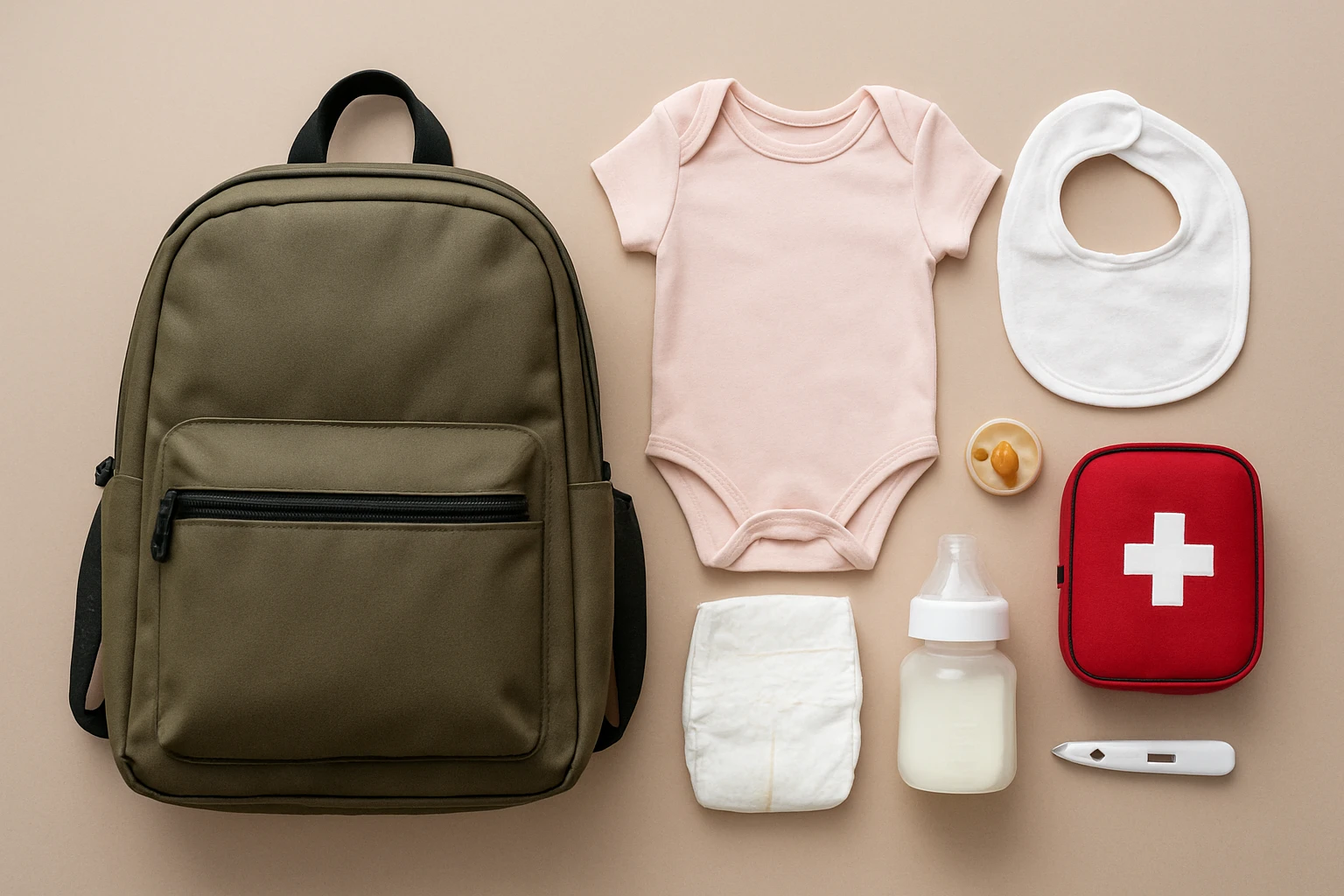
15 Must-Have Items for a Bug-Out Bag for Baby: The Ultimate Emergency Checklist for Parents
Introduction
When disaster strikes, parents must be prepared to protect the most vulnerable members of the family: their infants and toddlers. A well‑stocked bug‑out bag can mean the difference between comfort and crisis during evacuation or an unexpected overnight stay. Selecting items that address both safety and the unique needs of a baby requires careful consideration of size, usability, and durability.
This article outlines fifteen indispensable components that form a comprehensive baby bug‑out bag, blending practical advice with product recommendations that have proven reliability on Amazon. By following this checklist, parents can travel confidently, knowing that essential medical care, nourishment, and comfort are readily available.
Compact First‑Aid Kit
A portable first‑aid kit is the cornerstone of any emergency bag, providing rapid response to cuts, scrapes, and minor burns. The Johnson & Johnson Travel First Aid Kit offers twelve essential items, including sterile gauze pads, flexible fabric bandages, and hand‑cleansing wipes. Priced at $2.46, it fits easily into a diaper bag or backpack without adding bulk.
Customers appreciate its durability, noting that the hard‑plastic case protects supplies from moisture and impact. One reviewer wrote, "I keep this kit in my car and it has saved my baby’s finger twice when we had minor cuts on road trips." The inclusion of latex‑free options is limited, so parents with severe latex allergies should verify individual item contents.
Kid‑Friendly First‑Aid Kit
While the Johnson & Johnson kit covers basic needs, a larger, kid‑specific kit can address a wider range of injuries and provide peace of mind for parents of toddlers. The KeepGoing Travel First Aid Kit for Kids contains 130 pieces, ranging from burn relief gels to latex‑free bandages, all housed in a water‑resistant case.
At $29.99, it is a modest investment for a comprehensive medical solution that grows with a child. Parents praise its organized compartments, with one comment stating, "The clear sections let me find the right size bandage in seconds, even when my son is crying." Its TSA‑approved size also makes it suitable for air travel.
Infant Formula or Ready‑to‑Use Meals
Nutrition is critical during emergencies when regular feeding schedules are disrupted. Shelf‑stable infant formula packets or ready‑to‑use meals provide a reliable source of calories and essential nutrients.
Choose products with a minimum two‑year shelf life and store them in a waterproof pouch. A single 12‑ounce formula can sustain a baby for several days, and many brands include a built‑in scoop for easy preparation.
Breast‑Milk Storage Bags
For nursing mothers, preserving expressed breast milk ensures continuity of nutrition and immune support. Pre‑sterilized breast‑milk storage bags are lightweight, leak‑proof, and can be frozen for up to six months.
When paired with a portable cooler pack, these bags maintain temperature for several hours, allowing mothers to travel without compromising milk quality.
Diapering Essentials
A sufficient supply of diapers, wipes, and diaper rash cream prevents discomfort and skin irritation during prolonged outings. Disposable diapers are preferred for their convenience, while biodegradable options reduce environmental impact.
Include a small, resealable bag for used diapers to contain odor and maintain hygiene. Many parents report that a single roll of wipes, such as those included in the Johnson & Johnson kit, suffices for short‑term emergencies.
Clothing Layers
Babies regulate body temperature less efficiently than adults, making layered clothing essential. Pack a set of moisture‑wicking onesies, a soft fleece blanket, and a weather‑appropriate outer layer.
All items should be made of breathable, hypoallergenic fabrics to avoid overheating or rash. Compact, zip‑up sleep sacks serve both as clothing and a portable sleeping surface.
Portable Changing Pad
A clean surface for diaper changes maintains hygiene and reduces the risk of infection. A foldable, waterproof changing pad fits into a diaper bag and can be sanitized with the hand‑cleansing wipes from the first‑aid kits.
Look for pads with a non‑slip backing and a built‑in pocket for storing wipes or creams, ensuring quick access during emergencies.
Emergency Blanket
Thermal emergency blankets reflect body heat and are lightweight enough to carry for each family member. A Mylar blanket can keep a baby warm in cold environments for several hours.
Wrap the blanket around the infant’s sleep sack for added insulation, and store it in a waterproof zip‑lock bag to protect against moisture.
Hand Sanitizer
Maintaining hand hygiene reduces the spread of germs, especially when soap and water are unavailable. Choose an alcohol‑based sanitizer with at least 60% alcohol content.
Travel‑size bottles (2‑3 oz) fit easily into a diaper bag, and many parents keep an extra bottle in the car for quick access.
Multi‑Tool with Bottle Opener
A compact multi‑tool provides versatility for cutting tape, opening cans, or repairing equipment. Models that include a bottle opener are useful for opening formula containers or water bottles.
Stainless‑steel construction ensures durability, and a safety lock prevents accidental deployment of blades.
Flashlight or Headlamp
Power outages are common during emergencies, making reliable illumination essential. A LED headlamp frees both hands for diaper changes or first‑aid administration.
Choose a model with a long battery life (minimum 8 hours) and a built‑in red‑light mode to preserve night‑time vision for the baby.
Battery‑Powered Radio
Staying informed about weather alerts and evacuation orders is vital for safety. A compact, hand‑crank radio ensures communication even when batteries are depleted.
Models that include a USB charging port can also power a smartphone, allowing parents to contact emergency services.
Water Purification Tablets
Access to safe drinking water cannot be assumed during a crisis. Purification tablets neutralize bacteria and viruses within minutes, providing a lightweight solution for hydration.
Store tablets in a waterproof container and accompany them with a collapsible water bottle for easy transport.
Comfort Items
Babies thrive on familiarity; a favorite pacifier, soft toy, or blanket can soothe anxiety during chaotic situations. Small, washable comfort items occupy minimal space yet offer emotional support.
Label each item with the child’s name to prevent loss, especially if multiple children are traveling together.
Documentation Folder
A waterproof folder containing copies of birth certificates, medical records, and emergency contacts streamlines interactions with authorities. Include insurance cards and a list of allergies.
Keep the folder in a readily accessible pocket of the bug‑out bag, and update it annually to reflect any changes in health status.
Conclusion
Preparing a baby bug‑out bag requires thoughtful selection of items that address medical, nutritional, and emotional needs. By integrating the Johnson & Johnson Travel First Aid Kit and the KeepGoing Travel First Aid Kit for Kids, parents secure reliable medical support tailored to both infants and toddlers.
Coupled with essential supplies such as formula, diapers, and thermal blankets, the checklist ensures that families can navigate emergencies with confidence and calm. Regularly review and rotate perishable items to maintain readiness, and practice using each component to become proficient under pressure.
Frequently Asked Questions
What essential medical supplies should be included in a baby’s bug‑out bag?
Include a compact first‑aid kit with infant‑safe bandages, antiseptic wipes, a digital thermometer, and any prescribed medications.
How much formula or breast‑milk should I pack for an emergency?
Pack enough ready‑to‑use formula or expressed milk for at least 48 hours, plus extra sterile bottles and a portable cooler.
What are the best types of diapers to bring on the go?
Choose ultra‑absorbent, disposable diapers in a size that fits your baby for at least three days, plus a small pack of wipes and a diaper disposal bag.
Which baby feeding accessories are most space‑efficient?
A lightweight, collapsible silicone bottle, a multi‑use feeding spoon, and a compact insulated bottle warmer maximize space while staying functional.
How can I keep my baby comfortable during a long evacuation?
Include a soft, weather‑appropriate blanket, a wearable sleep sack, and a small, quiet pacifier to soothe and regulate temperature.