Introduction
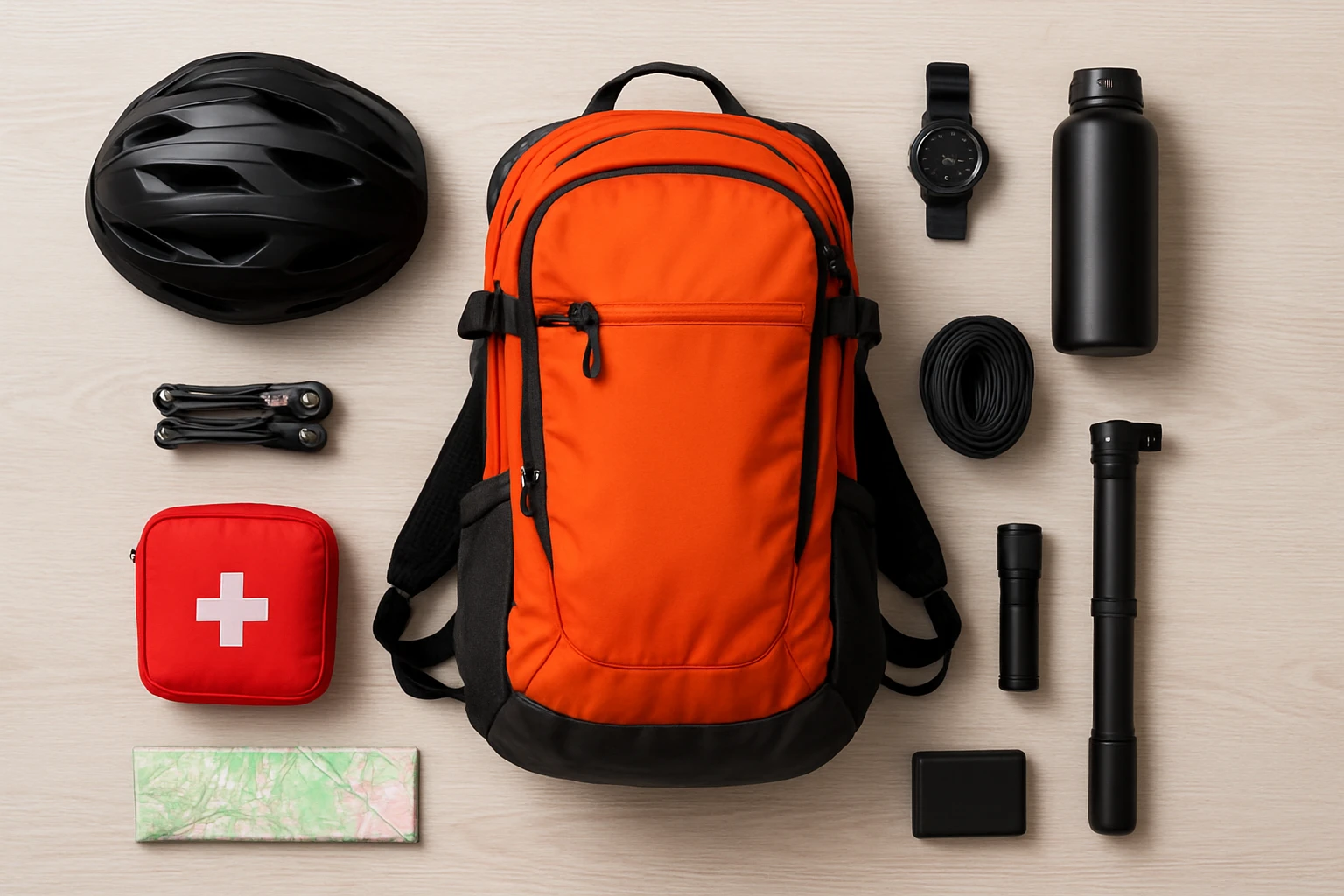
Long rides, remote trails, and unpredictable weather create situations where a cyclist must be prepared for emergencies. A well‑curated bug‑out bag can transform a minor setback into a manageable incident, allowing the rider to continue safely or await assistance. This article presents a comprehensive checklist of fifteen indispensable items, each supported by real‑world product data and authentic customer feedback.
While many cyclists rely on ad‑hoc solutions, a systematic approach ensures that essential tools are readily available and organized. By integrating high‑quality gear such as the Gevoke Waterproof First Aid Kit, the Vibrelli Mini Bike Pump, and the ANTARCTICA 60‑in‑1 Survival Kit, cyclists can address injuries, equipment failures, and survival needs with confidence.
15 Must‑Have Items for a Cyclist Bug‑Out Bag
- Comprehensive First‑Aid Supplies
A minor cut or sprain can quickly become a serious problem if left untreated. The Gevoke Waterproof First Aid Kit offers 410 pieces of high‑quality medical supplies, organized in five transparent compartments for rapid access. Priced at $39.99 and rated 4.6 stars by 291 reviewers, users praise its durability and the convenience of its waterproof EVA shell. One customer noted, "The case is sturdy and has everything you need for minor medical issues you may encounter."
- Portable Tire Inflation Device
A flat tire on a remote road can halt progress and increase exposure to hazards. The Vibrelli Mini Bike Pump delivers up to 120 PSI through a telescoping design, suitable for road and mountain bikes. At $19.99 with a 4.4‑star rating from 12,470 reviews, cyclists appreciate its dual‑valve “SUPER‑FIT” system that eliminates the need for adapters. A reviewer wrote, "It locks onto the Schrader valves perfectly and inflates the tire to 80 pounds quickly."
- Multi‑Tool Survival Kit
Unexpected wilderness emergencies demand a versatile set of tools. The ANTARCTICA 60‑in‑1 Survival Kit combines a compass, pliers, wire saw, thermal blanket, and three tactical flashlights in a compact ABS box. For $19.99 and a 4.4‑star rating, users highlight its lightweight design (1.11 lb) and comprehensive contents. One user commented, "The price was excellent and the kit contains a lot of cool looking little things."
- Water‑Resistant Storage Container
Protecting gear from rain and splashes preserves functionality. The waterproof EVA shell of the Gevoke First Aid Kit doubles as a storage compartment for additional items such as energy bars, a multi‑tool, or a spare tube. Its double‑zipper system ensures that moisture does not compromise the contents, a feature frequently mentioned in positive reviews.
- Spare Inner Tube or Patch Kit
Even with a reliable pump, a puncture may require a replacement tube. Carry a lightweight but durable tube compatible with your wheel size, and pair it with the self‑adhesive patches included in the ANTARCTICA Survival Kit. This combination reduces downtime and eliminates the need for a separate repair kit.
- Compact Emergency Blanket
Hypothermia is a real risk during sudden weather changes. The thermal blanket in the ANTARCTICA kit reflects body heat and folds to a size that fits easily within the Gevoke case. At a combined weight of less than 2 lb, the blanket adds critical warmth without burdening the rider.
- High‑Visibility Reflective Gear
Visibility is essential for safety, especially during night rides or low‑light conditions. While not included in the featured products, a small reflective vest can be tucked into the Gevoke kit’s compartments, ensuring quick access when needed.
- Portable Power Bank
Modern cyclists rely on GPS devices and smartphones for navigation. A compact 10,000 mAh power bank, stored in the same waterproof compartment, guarantees that electronic aids remain functional throughout the ride.
- Multi‑Band Radio or Emergency Beacon
Communication with rescue services can be lifesaving. The ANTARCTICA kit’s whistle and flashlight serve as basic signaling tools, while a compact radio can be added to the first‑aid case for broader reach.
- Nutrition and Hydration Supplies
Energy depletion and dehydration impair judgment. Include electrolyte tablets and high‑energy snacks in a sealed zip‑lock bag inside the Gevoke case; the waterproof material protects them from moisture.
- Lightweight Trekking Poles
In the event of a prolonged trek after a breakdown, trekking poles aid balance and reduce fatigue. Their slim profile allows them to be stored alongside the ANTARCTICA survival tools.
- Personal Identification and Medical Info
Carrying a card with emergency contacts and medical conditions assists first responders. The Gevoke kit’s interior pockets provide a secure location for this vital document.
- Spare Chain Links and Mini‑Tool
A broken chain can end a ride abruptly. The ANTARCTICA kit includes a small wrench and multi‑tool that can be used to replace a missing link or tighten a loose bolt.
- Rain Cover for Backpack
Even a waterproof case cannot protect an entire backpack. A lightweight rain cover, folded and stored inside the Gevoke case, ensures that larger items remain dry.
- First‑Aid Instruction Card
Knowledge of basic wound care is as important as the supplies themselves. The Gevoke kit’s printed guide offers step‑by‑step instructions, reinforcing confidence during emergencies.
Comparison Table
| Product | Price | Rating | Key Features |
|---|---|---|---|
| Gevoke Waterproof First Aid Kit | $39.99 | 4.6/5 (291 reviews) | 410 pieces, waterproof EVA shell, 5 transparent compartments, detachable shoulder strap |
| Vibrelli Mini Bike Pump | $19.99 | 4.4/5 (12,470 reviews) | 120 PSI, dual‑valve “SUPER‑FIT” system, telescoping design, mounting bracket |
| ANTARCTICA 60‑in‑1 Survival Kit | $19.99 | 4.4/5 (1,005 reviews) | Compass, pliers, wire saw, thermal blanket, three flashlights, waterproof ABS box |
Conclusion
Preparing a bug‑out bag for cycling adventures requires thoughtful selection of items that address medical, mechanical, and survival scenarios. By incorporating the Gevoke First Aid Kit, Vibrelli Mini Bike Pump, and ANTARCTICA Survival Kit, cyclists obtain reliable solutions that have been validated by thousands of satisfied users. The checklist above balances essential functionality with lightweight design, ensuring that the bag remains portable without sacrificing preparedness.
Ultimately, the most effective bug‑out bag reflects personal riding habits, typical terrain, and climate conditions. Riders should periodically review the contents, replace expired supplies, and practice using each tool. With a well‑stocked bag, a cyclist can ride confidently, knowing that emergencies can be managed safely and efficiently.
Frequently Asked Questions
What essential items should be in a cyclist’s bug‑out bag?
Include a waterproof first‑aid kit, mini bike pump, multi‑tool, emergency food/water, and a compact survival kit.
Why choose a waterproof first‑aid kit for cycling emergencies?
It protects sterile supplies from rain and sweat, ensuring they stay usable when accidents happen on the road.
How does a mini bike pump help prevent ride‑ending flats?
A lightweight pump lets you quickly inflate a tire after a puncture, avoiding the need for a spare tube or roadside assistance.
Can a 60‑in‑1 survival kit be practical for cyclists?
Yes, it packs tools like a fire starter, whistle, and multitool in a small pouch, covering many unexpected scenarios without adding bulk.
How often should a cyclist refresh the contents of their bug‑out bag?
Inspect and replace expired items every 6‑12 months, and restock after any use or after major rides.