Introduction
This guide provides a thorough understanding of portable waterless sanitation solutions that are essential during emergencies, outdoor adventures, and long‑term off‑grid living. Readers will learn the underlying principles of composting toilets, bucket systems, and waste bags, as well as how to evaluate and maintain these devices for reliable performance. The article also highlights two market‑tested products that illustrate best‑in‑class design and functionality. By the end of the guide, one will be equipped to make an informed purchase decision and to operate the chosen system safely and efficiently.
Background and Context
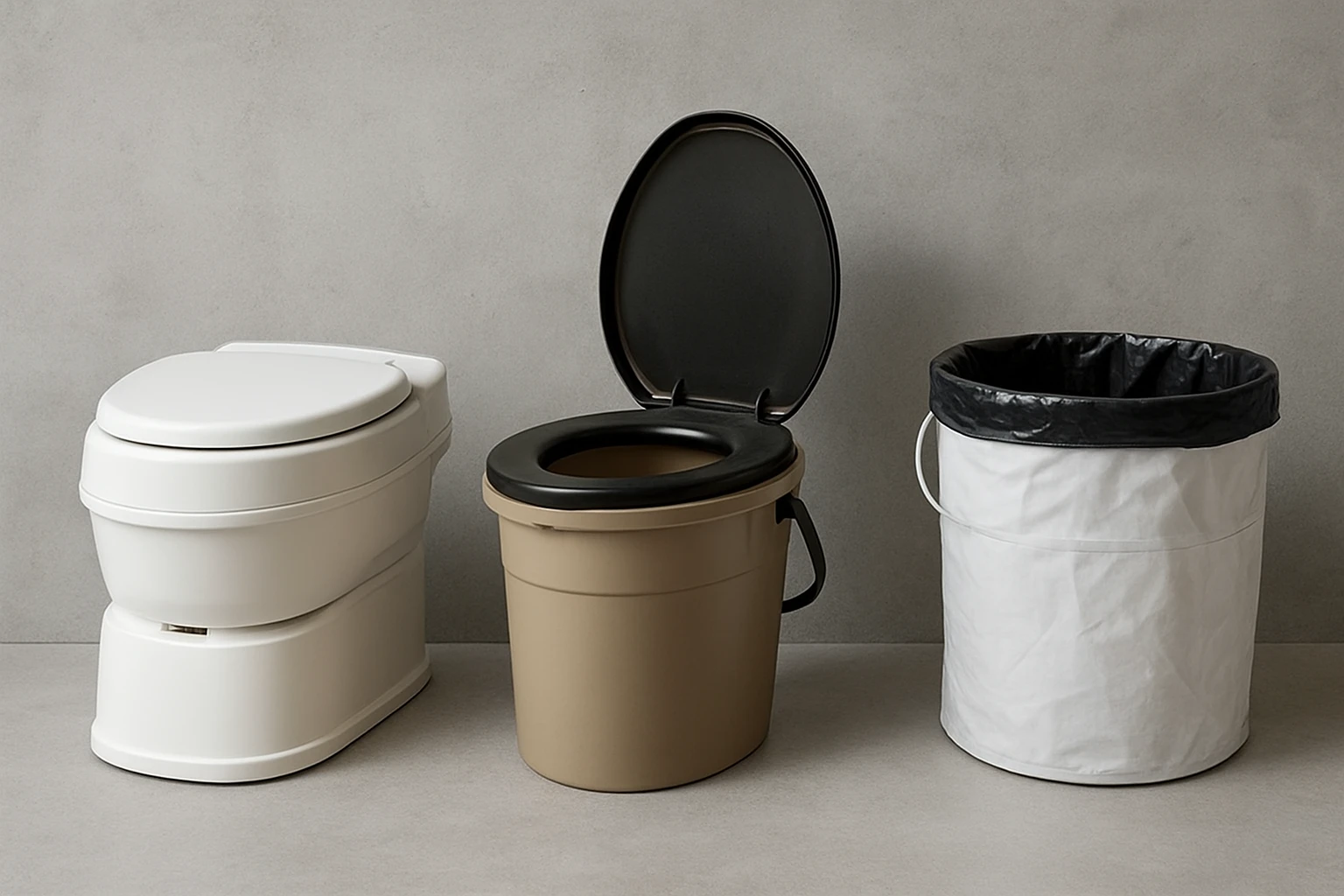
Waterless sanitation refers to waste management methods that do not require flushing water, thereby conserving a scarce resource while reducing environmental impact. The most common approaches include dry composting toilets, sealed bucket systems, and biodegradable waste bags. Each method relies on biological or mechanical processes to separate liquid from solid waste, control odor, and prevent pathogen spread.
In emergency scenarios—such as natural disasters, power outages, or remote camping—traditional sewage infrastructure may be unavailable. Portable systems therefore become a critical component of personal hygiene and public health. Understanding the science of aerobic decomposition, moisture management, and ventilation is essential for selecting a system that will remain functional under varying temperature and humidity conditions.
Regulatory considerations also play a role. Some jurisdictions require waste to be contained in sealed containers for a minimum period before disposal. Portable products that comply with these regulations typically feature lockable lids, odor‑reducing filters, and compatible waste‑bag sizes.
Finally, user comfort and ergonomics influence adoption rates. A stable seat, appropriate weight capacity, and ease of set‑up are non‑negotiable attributes for a system that will be used repeatedly in stressful circumstances.
Key Concepts and Product Categories
Portable waterless sanitation can be grouped into three primary categories: composting toilets, bucket‑style systems, and waste‑bag kits. Each category offers distinct advantages and trade‑offs.
- Composting Toilets: Utilize aerobic bacteria to break down solid waste into compost‑like material. They often incorporate a urine diversion system to reduce moisture and odor.
- Bucket Systems: Simple containers that hold waste in a sealed bag, typically paired with a carbon‑rich absorbent to mitigate odor.
- Waste‑Bag Kits: Pre‑treated biodegradable bags that can be placed directly in a bucket or toilet base, allowing for quick disposal and minimal cleaning.
When evaluating a product, consider the following criteria: weight capacity, dimensions when folded, ease of cleaning, compatibility with standard waste bags, and durability of materials such as ABS plastic or reinforced polymers.
Two exemplary products illustrate these criteria. The Hapoon XL Portable Camping Toilet offers a spacious seat, high weight tolerance, and multi‑functionality. The BOXIO Compact Camping Toilet provides a robust composting system with a detachable urine canister and odor‑control accessories.
Product Recommendations
Hapoon XL Portable Camping Toilet
The Hapoon XL model is constructed from premium ABS plastic, granting a load‑bearing capacity of up to 400 lb. Its dimensions—14.57 in L × 11.32 in W × 14.17 in H—make it one of the most comfortable portable toilets on the market, especially for adult users. The unit folds in seconds, allowing for compact storage in a vehicle trunk or backpack.
Key features include a removable lid that doubles as a stool, a compatible 8‑gallon waste bag for straightforward cleaning, and the ability to serve as a trash can or storage box when not used as a toilet. With a rating of 4.5 out of 5 from 1,552 reviews and a price of $32.99, it represents a cost‑effective solution for families, hikers, and disaster‑preparedness kits.
Customers frequently praise its sturdy construction, ease of assembly, and comfortable seat height. One reviewer noted that the toilet has become a “go‑to emergency unit” stored in the back of an SUV, highlighting its reliability in unforeseen situations.
BOXIO Compact Camping Toilet
The BOXIO system is a German‑engineered composting toilet designed for long‑term off‑grid use. It features a 5‑liter urine canister that can handle eight to ten uses before emptying, eliminating the need for chemical additives. The dry‑toilet base weighs only 6.2 lb yet can support up to 330 lb, providing a stable platform for both men and women.
Odor control is achieved through a proprietary plug and hemp litter combination, which virtually eliminates unpleasant smells during Vanlife or camping trips. The unit also includes accessories such as biodegradable waste bags and a seat cushion, though some users report that the red urine stopper is not supplied in the base package.
With a rating of 4 out of 5 from 850 reviews and a price of $199.90, the BOXIO toilet targets users who prioritize composting efficiency and durability over initial cost. Positive feedback emphasizes its robust construction and effective odor management, while negative comments focus on the plastic quality and missing accessories.
Comparison and Selection Guide
| Feature | Hapoon XL Portable Camping Toilet | BOXIO Compact Camping Toilet |
|---|---|---|
| Weight Capacity | Up to 400 lb | Up to 330 lb |
| Dimensions (L×W×H) | 14.57" × 11.32" × 14.17" | 14.7" × 11.8" × 11.0" |
| Material | Premium ABS plastic | Reinforced polymer (German‑engineered) |
| Urine Management | Separate 8‑gallon bag | 5‑liter canister with plug and hemp |
| Price | $32.99 | $199.90 |
| Average Rating | 4.5/5 (1,552 reviews) | 4/5 (850 reviews) |
When choosing between these models, consider the following decision matrix:
- Budget Constraints: If cost is a primary factor, the Hapoon XL offers a functional solution at a fraction of the price.
- Composting Preference: For users who desire true composting with odor‑free operation, the BOXIO system provides a dedicated urine diversion canister and hemp litter.
- Portability: The Hapoon folds more quickly and occupies less space, making it ideal for short trips and vehicle storage.
- Load Requirements: If the system must accommodate heavier users or additional equipment, the higher weight capacity of the Hapoon may be advantageous.
Best Practices and Maintenance Tips
Regardless of the selected product, proper maintenance ensures longevity and sanitary conditions. The following practices are recommended:
- Always place a compatible waste bag before first use to prevent direct contact with the interior surface.
- For composting models, add a carbon‑rich material such as shredded newspaper, wood shavings, or hemp litter after each use to balance moisture and reduce odor.
- Empty the urine canister or bag daily during high‑frequency use to avoid overflow and maintain odor control.
- Clean the interior with a mild disinfectant solution (e.g., diluted bleach) after each full bag removal; allow the unit to air‑dry before reinstalling a fresh bag.
- Inspect seals, lids, and hinges weekly for wear; replace plastic components that show cracks to maintain structural integrity.
In emergency scenarios where water is scarce, use pre‑moistened wipes sparingly and dispose of them in the waste bag. For extended deployments, consider a small solar‑powered vent fan to improve aerobic decomposition in composting units.
Frequently Asked Questions
- What is the difference between a composting toilet and a bucket system?
- A composting toilet separates liquid and solid waste, encouraging aerobic breakdown of solids into compost. A bucket system simply contains waste in a sealed bag, relying on absorbents to control odor.
- Can I use regular plastic bags with these toilets?
- Both featured products recommend specific bag sizes (8 gallon for Hapoon, biodegradable bags for BOXIO). Using the recommended bags ensures a secure fit and reduces the risk of leaks.
- How often should the urine canister be emptied?
- The BOXIO urine canister holds 5 liters and typically accommodates eight to ten uses before emptying. Frequency depends on individual fluid intake.
- Are these toilets legal for long‑term use in public parks?
- Regulations vary by jurisdiction. Many parks permit portable waterless toilets if waste is contained in sealed bags and removed from the site within the prescribed time frame.
- What temperature range can the composting system operate in?
- Composting bacteria remain active between 55 °F and 95 °F. In colder climates, add extra carbon material and consider a insulated cover to maintain temperature.
- Is it safe to store human waste for later disposal?
- When waste is contained in sealed, biodegradable bags and kept away from food preparation areas, it is safe. Proper hand hygiene after handling is essential.
Conclusion
Portable waterless sanitation is a vital component of emergency preparedness and sustainable outdoor living. By understanding the scientific principles, evaluating key product attributes, and following best‑practice maintenance, one can select a system that delivers comfort, reliability, and environmental stewardship. The Hapoon XL Portable Camping Toilet and BOXIO Compact Camping Toilet exemplify two distinct approaches—budget‑friendly versatility and premium composting performance—allowing readers to match a solution to their specific needs.
Adopting a well‑maintained waterless toilet reduces reliance on scarce water resources, minimizes ecological impact, and enhances personal hygiene during critical situations. The knowledge presented in this guide empowers individuals to make confident, informed decisions that protect health and preserve the natural world.
Products Featured in This Guide
Hapoon XL Portable Camping Toilet
Price: $32.99 | Rating: 4.5/5 (1,552 reviews)
Featured for its high weight capacity, spacious seat, rapid fold‑down mechanism, and multi‑functionality as a stool, trash can, or storage box.
BOXIO Compact Camping Toilet
Price: $199.90 | Rating: 4/5 (850 reviews)
Featured for its German engineering, integrated urine canister, hemp‑based odor control, and robust construction suitable for long‑term composting.