Introduction
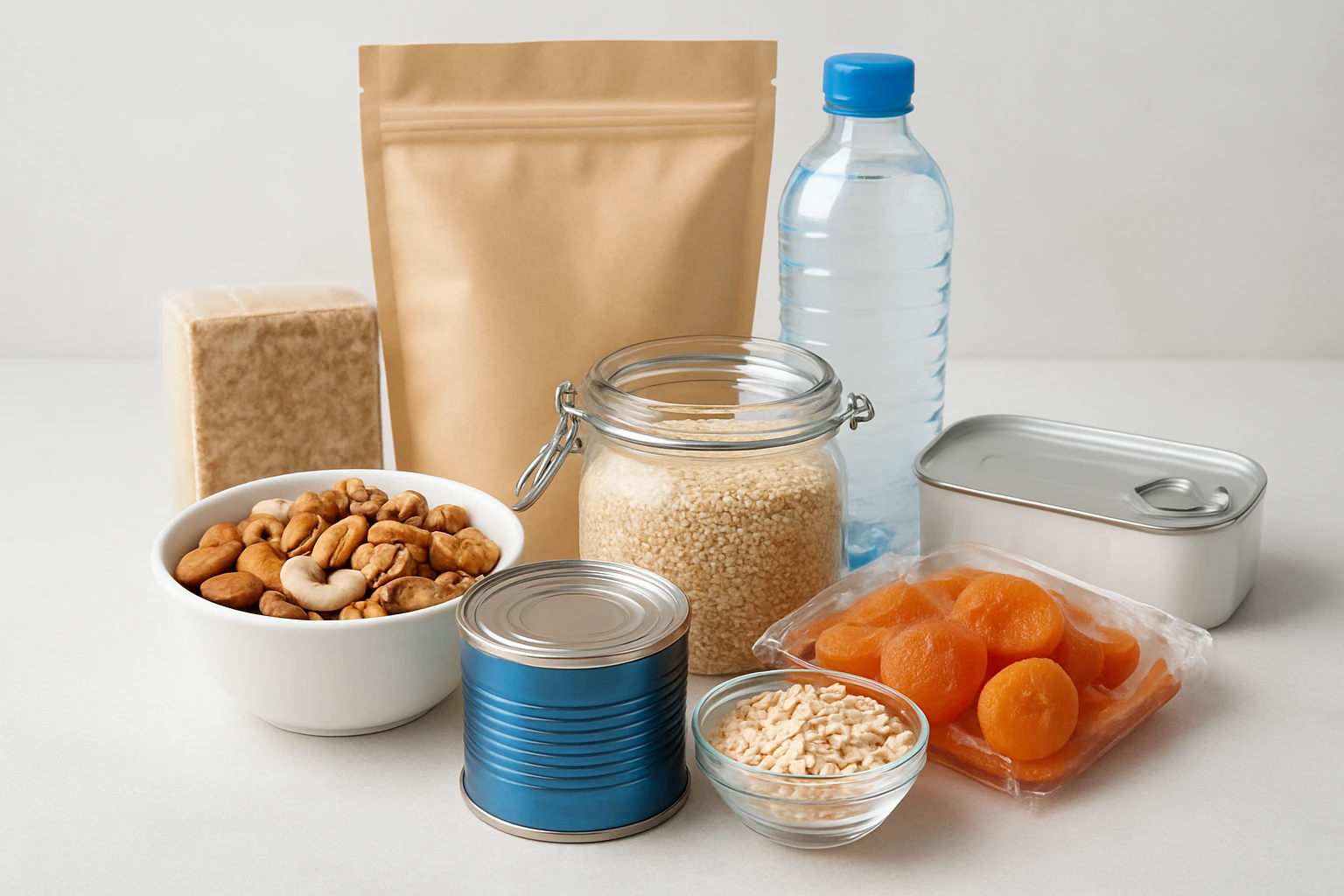
This guide explains how to select emergency food that supports diabetic health while remaining low in carbohydrates and shelf‑stable. Readers will learn essential nutritional concepts, practical strategies for building a resilient food cache, and specific product recommendations that meet stringent diabetic criteria. The article balances scientific background with actionable advice, ensuring that both newcomers and experienced preppers gain value. By the end of the guide, one will be equipped to assemble a safe, low‑carb emergency supply that aligns with blood‑glucose management goals.
Background and Context
Diabetes management relies on consistent carbohydrate intake, regular meals, and predictable glycemic responses. In emergency situations, traditional pantry items such as canned fruits or sugary snack bars can cause dangerous glucose spikes. Therefore, the cornerstone of a diabetic emergency kit is low‑carb, high‑protein or high‑fat foods that remain stable without refrigeration. Shelf‑stable foods are those that retain safety and quality for months or years when stored at ambient temperature, often through dehydration, freeze‑drying, or specialized packaging.
Key nutritional metrics for diabetics include total carbohydrate count, presence of added sugars, glycemic index, and fiber content. Foods that are high in fiber can blunt glucose absorption, while artificial sweeteners may be acceptable if they do not trigger insulin release. Moreover, a balanced emergency kit should contain a mix of protein, healthy fats, and micronutrients to prevent fatigue and support immune function during prolonged stress.
Regulatory bodies such as the U.S. Food and Drug Administration (FDA) define “low‑carb” as containing fewer than 5 grams of total carbohydrate per serving, although individual thresholds may vary. When evaluating products, it is essential to verify the nutrition label, ingredient list, and any claims regarding sugar or carbohydrate content. The following sections categorize food types, outline selection criteria, and integrate four Amazon‑available products that satisfy these requirements.
Low‑Carb Protein Snacks
Protein‑rich snacks provide satiety, preserve muscle mass, and have minimal impact on blood glucose. They are ideal for quick consumption during power outages or while traveling. The first product highlighted is Jack Link's Zero Sugar Beef Sticks, a 20‑pack of individually wrapped meat sticks.
- 5 g protein per 0.92 oz stick
- Zero added sugar and gluten‑free
- Each stick is ready‑to‑eat, requiring no refrigeration
- Rating 4.6/5 from 9,764 reviews
- Price $23.65
These sticks are crafted from 100 % real beef and slow‑cooked over hardwood smoke, delivering a mild, savory flavor that appeals to a wide audience. Because they contain no sugar, they do not raise blood glucose, making them a reliable choice for diabetic emergency kits. Their individual packaging also simplifies portion control, an important factor for maintaining carbohydrate limits.
Keto‑Friendly Sweet Treats
Even during emergencies, a modest sweet treat can improve morale without compromising glycemic control. Atkins Caramel Almond Clusters provide a low‑carb dessert option that satisfies cravings.
- Less than 1 g sugar per serving
- 2 g net carbs per serving
- High in fiber and healthy fats from almonds
- Rating 4.4/5 from 3,671 reviews
- Price $26.73
The clusters are individually wrapped, facilitating controlled consumption and easy transport. Their caramel flavor is achieved with natural sweeteners, avoiding the rapid glucose spikes associated with conventional candy. For diabetics following a ketogenic or low‑carb diet, these clusters represent a safe indulgence that can be stored for up to a year.
High‑Calorie Survival Bars
In prolonged emergencies, caloric density becomes a critical factor. The SOS Emergency 3600 Calorie Food Bar pack supplies nine bars, each delivering 410 calories, for a total of 3,600 calories per package.
- Each bar provides 410 calories
- Designed for 3‑day, 72‑hour survival scenarios
- Five‑year shelf life, Coast Guard approved
- Weight 1.6 lb per package
- Price $14.41
While the exact carbohydrate content is not disclosed in the provided data, the product is marketed for emergency use and is likely formulated with a balanced macronutrient profile to avoid rapid glucose fluctuations. Users should verify the nutrition label before inclusion in a diabetic‑specific kit. The bars require no water for consumption, making them practical for situations where water is scarce.
Freeze‑Dried Breakfast Options
A warm, nutritious breakfast can boost morale and provide essential nutrients after an overnight fast. Backpacker's Pantry Granola with Blueberries offers a high‑protein, low‑sodium meal that can be prepared with hot or cold water.
- 16 g protein per 7 oz serving
- Freeze‑dried, shelf‑stable for three years
- Contains real butter, almonds, blueberries, and milk powder
- Rating 4.5/5 from 236 reviews
- Price $6.95
The granola is free of added sugars and has a modest carbohydrate load, making it suitable for diabetic individuals who monitor carb intake. Its lightweight packaging and quick preparation time (one cup of water) make it a valuable addition to any emergency food cache.
Comparison and Selection Guide
Choosing the right emergency food depends on three primary criteria: carbohydrate impact, shelf life, and caloric density. The table below summarizes how each featured product aligns with these factors.
| Product | Carbohydrate Profile | Shelf Life | Calories per Serving | Price | Rating |
|---|---|---|---|---|---|
| Jack Link's Zero Sugar Beef Sticks | 0 g sugar, negligible carbs | 12‑month best‑by (typical for meat snacks) | ~70 kcal per stick | $23.65 | 4.6 |
| Atkins Caramel Almond Clusters | <1 g sugar, 2 g net carbs | 12‑month best‑by | ~120 kcal per cluster | $26.73 | 4.4 |
| SOS Emergency 3600 Calorie Food Bar | Carb content not specified; verify label | 5 years | 410 kcal per bar | $14.41 | Not listed |
| Backpacker's Pantry Granola with Blueberries | Moderate carbs, low added sugar | 3 years | ~350 kcal per serving | $6.95 | 4.5 |
For diabetics who prioritize minimal carbohydrate impact, the beef sticks and almond clusters are the most suitable. For scenarios requiring high caloric intake with limited space, the SOS bars excel. For a balanced, nutrient‑dense breakfast, the granola provides protein and essential micronutrients.
Best Practices and Tips
- Rotate stock every 12 months to ensure freshness and maintain optimal nutrient levels.
- Store foods in a cool, dry place away from direct sunlight to extend shelf life.
- Label each item with the purchase date and expiration date for easy tracking.
- Combine protein‑rich snacks with a source of healthy fat (e.g., nuts or cheese) to further blunt glucose spikes.
- Always keep a small bottle of water on hand, even for “no‑water” bars, to aid digestion and prevent dehydration.
- Consider personal dietary restrictions such as gluten intolerance; all featured products are gluten‑free.
When assembling a diabetic emergency kit, aim for a variety of textures and flavors to prevent menu fatigue. Including both savory and sweet options can improve adherence to the emergency plan during stressful periods. Finally, consult a healthcare professional to tailor carbohydrate targets to individual medical needs.
Frequently Asked Questions
- Can I rely on low‑carb snack bars during a prolonged power outage? Yes, provided the bars have a confirmed low‑carb label and a shelf life of at least one year. Verify the nutrition facts for total carbohydrate and sugar content.
- Do “zero sugar” products contain hidden carbs? Some zero‑sugar items use sugar alcohols or fiber that count toward total carbohydrates. Review the ingredient list for maltitol, erythritol, or other polyols.
- How many calories should I allocate per day in an emergency? Adults typically require 1,800‑2,200 kcal per day, but diabetics may need slightly less depending on activity level. Aim for a balanced distribution of protein, fat, and low‑carb carbs.
- Is it safe to consume the SOS Emergency 3600 Calorie Food Bar if I have diabetes? The product is designed for survival, but carbohydrate content is not disclosed in the provided data. Check the label before adding it to a diabetic‑specific cache.
- What is the best way to store freeze‑dried meals? Keep them in airtight containers or Mylar bags with oxygen absorbers to protect against moisture and oxidation.
- Can I reuse the packaging of individual snack sticks? Yes, the foil wrappers can be resealed with a clip, but for long‑term storage, transfer to a resealable bag to maintain freshness.
- Do these products require refrigeration after opening? All featured items are shelf‑stable and do not require refrigeration, even after opening, provided they are consumed within a reasonable time.
Conclusion
Emergency preparedness for diabetics hinges on selecting foods that are low in carbohydrates, nutritionally dense, and shelf‑stable. By understanding carbohydrate impact, caloric needs, and storage requirements, one can construct a reliable cache that supports blood‑glucose control during crises. The products highlighted—Jack Link's Zero Sugar Beef Sticks, Atkins Caramel Almond Clusters, SOS Emergency 3600 Calorie Food Bar, and Backpacker's Pantry Granola with Blueberries—demonstrate how taste, convenience, and health can coexist in an emergency setting. Implement the best‑practice tips, rotate stock regularly, and tailor the kit to personal medical advice to ensure safety and peace of mind.
Products Featured in This Guide
Jack Link's Zero Sugar Beef Sticks
Price: $23.65 | Rating: 4.6/5 (9,764 reviews)
Featured because it provides zero‑sugar, high‑protein, ready‑to‑eat meat sticks that are ideal for diabetic emergency kits.
Atkins Caramel Almond Clusters
Price: $26.73 | Rating: 4.4/5 (3,671 reviews)
Featured as a keto‑friendly, low‑sugar sweet treat that satisfies cravings without raising blood glucose.
SOS Emergency 3600 Calorie Food Bar
Price: $14.41
Featured for its high caloric density, long shelf life, and Coast Guard approval, making it a robust option for extended emergencies.
Backpacker's Pantry Granola with Blueberries
Price: $6.95 | Rating: 4.5/5 (236 reviews)
Featured because it offers a high‑protein, freeze‑dried breakfast that is low in added sugars and suitable for diabetic travelers.