Emergency Kit for an Infant with a Metabolic Disorder: Essential Checklist & Parent's Guide
Introduction
Parents of infants diagnosed with a metabolic disorder face unique challenges when preparing for emergencies. This guide explains the scope of an emergency kit, outlines essential items, and demonstrates how to use them effectively during a crisis. Readers will learn the foundational knowledge required to protect a vulnerable infant, discover product recommendations that add tangible value, and acquire actionable best‑practice tips. By the end of the article, one will be equipped to assemble a kit that meets both medical and everyday needs.
Background and Context
Metabolic disorders are inherited conditions that impair the body's ability to process nutrients, often requiring precise dietary control and rapid medical intervention. An unexpected event—such as a power outage, natural disaster, or travel delay—can jeopardize the delicate balance required for an infant's health. Understanding the disorder's biochemical pathways, typical emergency protocols, and the role of caregivers is essential before selecting supplies. This context ensures that each item in the kit serves a clear purpose, reducing anxiety and improving outcomes.
Core Components of the Emergency Kit
Every emergency kit should be organized into categories that address immediate medical needs, nutritional stability, and general safety. The following sections describe each category in detail, recommend products where appropriate, and provide links to purchase them.
Medical Documentation and Contact Information
- Printed summary of the infant's diagnosis, including enzyme deficiencies, required medications, and emergency treatment protocols.
- Contact cards for the primary metabolic specialist, local pediatric emergency department, and a trusted on‑call nurse.
- Water‑proof folder to protect documents from moisture.
Emergency Nutrition Supplies
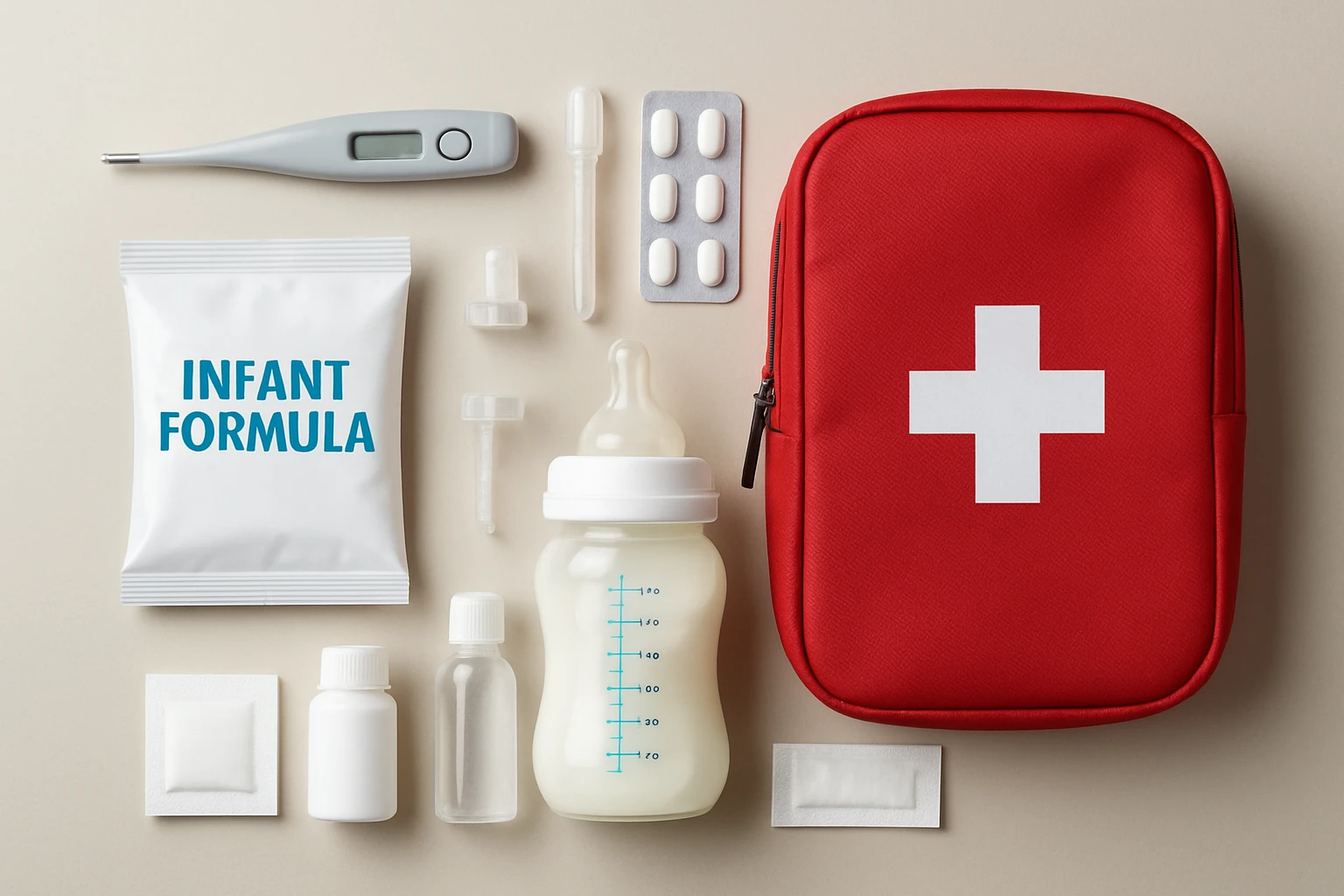
Infants with metabolic disorders often rely on specialized formulas or low‑protein feeds that must be administered precisely. Store a minimum of three days' worth of the prescribed formula in insulated containers, along with a portable bottle‑warming system powered by battery or hand‑crank. Include pre‑measured sachets of any required supplements, such as carnitine or biotin, and a calibrated syringe for accurate dosing.
First‑Aid Reference Materials
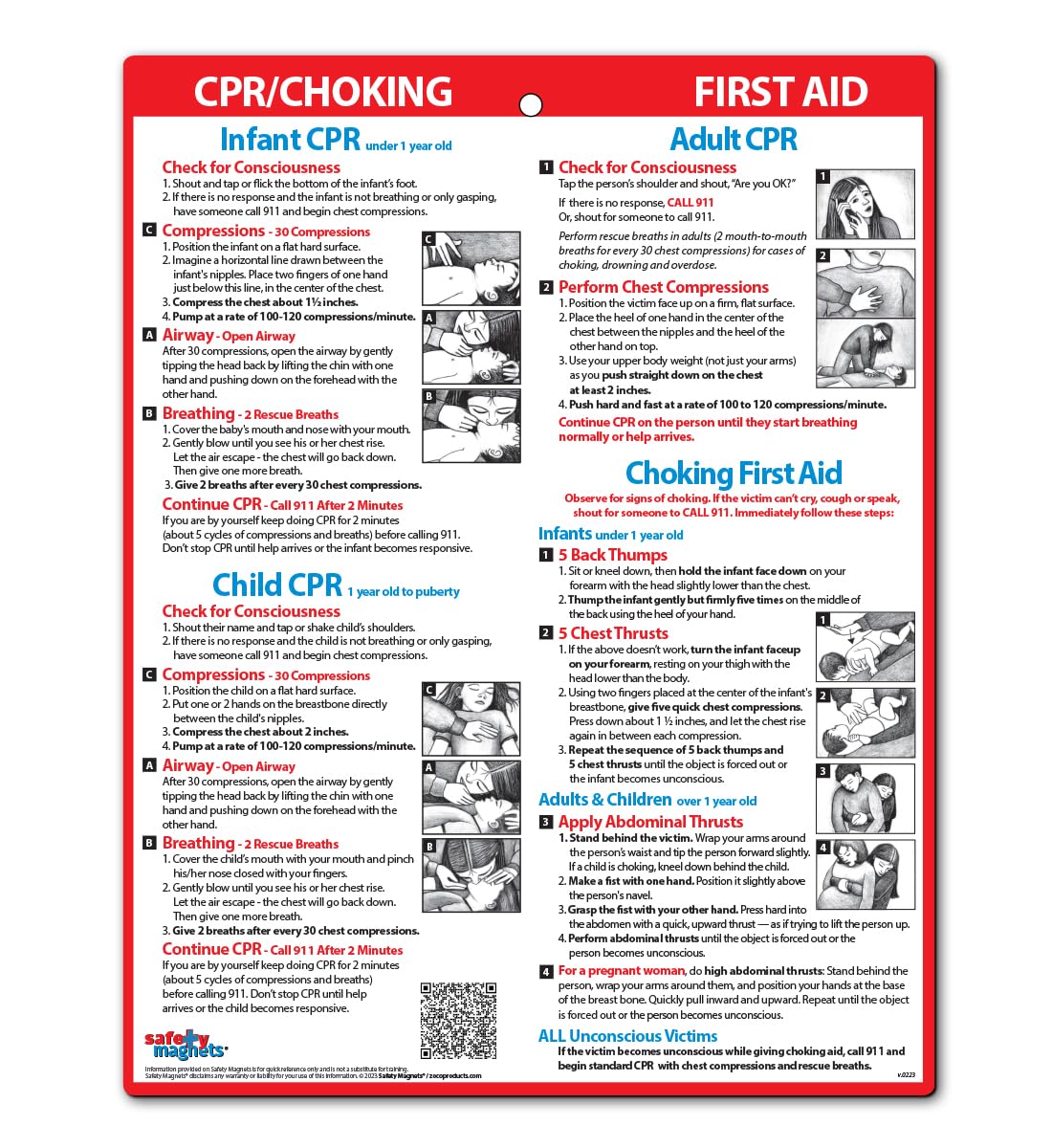
In a high‑stress situation, quick access to clear, step‑by‑step instructions can save lives. The CPR & Choking Magnet provides laminated, magnet‑backed guidance for infant, child, and adult resuscitation. Its 8.5" x 11" size ensures readability, and the magnetic backing allows placement on any metal surface, such as a refrigerator, for constant visibility. With a rating of 4.8/5 from 746 reviews, caregivers trust its clarity and durability.
Basic First‑Aid Supplies
- Sterile gauze pads, adhesive bandages, and antiseptic wipes for minor cuts.
- Thermometer (digital, fast‑read) to monitor fever, a common sign of metabolic decompensation.
- Infant‑size nasal aspirator and saline drops for airway clearance.
Comfort and Soothing Items
Stress can exacerbate metabolic instability. Including soothing items such as a soft blanket, pacifier, and a gentle sound machine helps maintain a calm environment. The Baby Essentials Kit offers a collection of wellness products—including gripe water, vitamin D drops, and saline spray—that can alleviate common infant discomforts during emergencies.
Power and Lighting Solutions
Power outages can disrupt formula refrigeration and medication refrigeration. Pack a compact, rechargeable power bank (minimum 10,000 mAh) and a battery‑operated LED lantern with adjustable brightness. Ensure that any electric bottle warmer is compatible with the power bank or a car adapter.
Sanitation and Waste Management
Maintain hygiene by including biodegradable wipes, a small roll of hand sanitizer, and sealable plastic bags for contaminated materials. A portable diaper disposal system prevents the spread of pathogens, which is critical for infants with compromised metabolic pathways.
Comparison and Selection Guide
Choosing the right products involves evaluating cost, durability, and relevance to the infant's specific disorder. The table below contrasts two featured items, highlighting key attributes that influence selection.
| Feature | CPR & Choking Magnet | Baby Essentials Kit |
|---|---|---|
| Primary Purpose | First‑aid reference for resuscitation | Wellness support for newborns |
| Size & Portability | 8.5" x 11", magnetic backing, fits on fridge | Compact 4‑piece kit, fits in diaper bag |
| Price | $9.49 | $19.54 |
| Rating | 4.8/5 (746 reviews) | 4.8/5 (3,042 reviews) |
| Key Benefits for Metabolic Disorder Emergencies | Provides immediate CPR guidance, essential if respiratory distress occurs | Offers soothing remedies (gripe water, saline) that can reduce stress‑induced metabolic spikes |
When selecting between these items, consider the most likely emergency scenarios. If respiratory compromise is a primary concern, the CPR magnet is indispensable. If the infant is prone to colic or nasal congestion, the Baby Essentials Kit adds targeted comfort.
Best Practices & Tips for Parents
- Rotate supplies every six months to avoid expired formulas, medications, and vitamins.
- Practice CPR using the magnet reference at least once a year; confidence reduces response time.
- Store the kit in a waterproof, clearly labeled container that can be carried in a diaper bag or travel backpack.
- Create a checklist on the inside cover of the kit; tick items off after each use or replenishment.
- Educate all caregivers—grandparents, babysitters, and daycare staff—on the kit's location and contents.
- During travel, keep a duplicate mini‑kit in the vehicle and another in your luggage.
- Maintain a log of any emergency use, noting the infant's response and any adjustments needed for future incidents.
Frequently Asked Questions
1. How often should I replace the formula in the emergency kit?
Formula should be replaced every three months or sooner if the expiration date approaches. Store it in a cool, dark place and keep a small insulated bag for temperature control.
2. Can the CPR & Choking Magnet be used for adults as well?
Yes, the magnet includes hands‑only CPR instructions for adults, making it a versatile reference for the entire household.
3. Are the items in the Baby Essentials Kit safe for infants with specific metabolic restrictions?
All components are formulated without added sugars or unnecessary additives, but parents should verify with their metabolic specialist that the vitamin D dosage aligns with the infant's prescribed regimen.
4. What is the best way to keep the emergency kit accessible during a power outage?
Place the kit near a battery‑powered lantern and keep a power bank within the same container. This ensures that temperature‑sensitive items remain usable.
5. How can I train other caregivers to use the kit effectively?
Conduct a short walkthrough, highlighting the location of the CPR magnet, the dosage instructions for formula, and the use of the saline drops. Provide a printed cheat sheet summarizing the steps.
6. Should I include a spare set of the infant's prescribed medication?
Yes, a minimum of a 72‑hour supply of any critical medication should be stored in the kit, sealed in a waterproof pouch.
7. Is it necessary to have a separate kit for travel?
Travel introduces additional variables such as temperature fluctuations and limited access to medical facilities. A streamlined travel kit containing the most essential items—formula, CPR magnet, and a mini first‑aid set—enhances readiness.
Conclusion
Preparing an emergency kit for an infant with a metabolic disorder demands careful consideration of medical, nutritional, and comfort needs. By following the checklist, selecting high‑quality products such as the CPR & Choking Magnet and the Baby Essentials Kit, and adhering to best‑practice guidelines, parents can mitigate risk and ensure rapid, appropriate response during crises. Continuous review and caregiver education remain essential components of long‑term safety.
Products Featured in This Guide
CPR & Choking Magnet
Price: $9.49
Rating: 4.8/5 (746 reviews)
Featured because it provides clear, laminated CPR and choking instructions for infants, children, and adults, essential for rapid response in emergencies.
Baby Essentials Kit
Price: $19.54
Rating: 4.8/5 (3,042 reviews)
Featured because it supplies gentle, medically‑approved remedies—gripe water, vitamin D drops, gas relief drops, and saline spray—that help soothe common infant ailments during stressful emergencies.