
Introduction
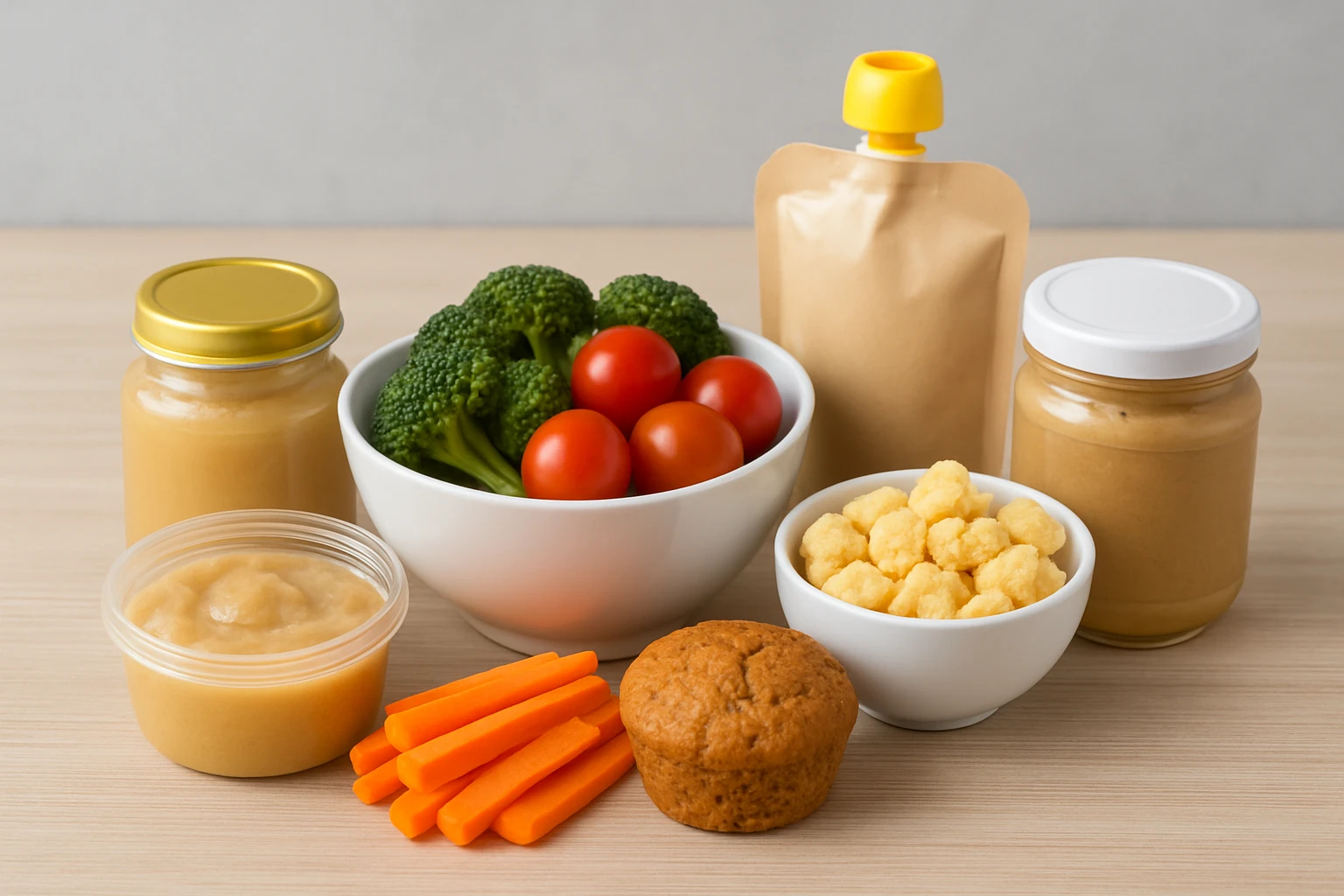
Parents often face the challenge of providing nutritious meals when time is limited and toddlers refuse most foods. This guide explains how to create an emergency food stash that satisfies even the most selective eaters while maintaining nutritional standards. Readers will learn foundational concepts, strategic planning methods, and specific product recommendations that align with health guidelines. The information presented empowers caregivers to act confidently during busy mornings, travel, or unexpected disruptions.
Background and Context
During the toddler years, dietary preferences develop rapidly, and many children exhibit strong aversions to new textures or flavors. Scientific research indicates that repeated exposure, balanced macronutrients, and age‑appropriate portion sizes support long‑term healthy eating habits. Fiber and protein are especially important for toddlers because fiber promotes digestive regularity and protein supports muscle growth and brain development. Understanding these nutritional pillars allows caregivers to select emergency foods that are both appealing and beneficial.
Key Concepts for Managing Picky Eating
Effective management of picky eating relies on three core concepts: variety, convenience, and consistency. Variety ensures exposure to a broad spectrum of flavors, reducing the likelihood of future refusals. Convenience addresses the need for quick preparation, which is essential during emergencies. Consistency reinforces positive eating patterns by offering familiar options repeatedly.
Caregivers can apply these concepts by rotating a small set of trusted foods, preparing them in ready‑to‑eat formats, and storing them in accessible locations. When the toddler recognizes the product and knows it is easy to consume, willingness to eat increases markedly.
Recommended Product: Happy Tot Baby Food Variety Pack
The first product highlighted in this guide is the Happy Tot Baby Food Variety Pack. This pack contains sixteen 4‑ounce pouches of organic fruit and vegetable purees that are formulated for Stage 4 toddlers (age 2 years and up). Each pouch delivers a balanced blend of fiber from fruits, vegetables, and chia, as well as high‑quality protein to support growth.
- Price: $27.84
- Rating: 4.7 out of 5 stars based on 3,809 reviews
- Key Features:
- Organic, gluten‑free, and vegan ingredients
- USDA‑organic certification and non‑GMO assurance
- Convenient, resealable pouches that require no preparation
- Fiber and protein content designed for digestive health and muscle development
Because the pouches are ready to eat, they meet the convenience criterion for emergency situations. The organic certification satisfies the variety and quality criteria, while the balanced macronutrient profile addresses the nutritional pillar of fiber and protein.
Strategic Meal Planning for Emergencies
To build a reliable emergency food reserve, caregivers should follow a systematic planning process. The process consists of four steps: assessment, selection, storage, and rotation.
- Assessment: Identify the toddler’s preferred flavors, any allergies, and the typical daily caloric requirement (approximately 1,000–1,200 calories for a two‑year‑old).
- Selection: Choose foods that align with the assessment findings, prioritizing items that are shelf‑stable, nutrient‑dense, and easy to serve.
- Storage: Store products in a cool, dry place away from direct sunlight. Keep a dedicated bin at eye level for quick access.
- Rotation: Implement a “first‑in, first‑out” system to ensure that older items are used before newer ones, maintaining freshness and preventing waste.
Applying this framework guarantees that emergency meals remain appealing, safe, and nutritionally adequate.
Additional Product Recommendations
Beyond the Happy Tot pack, caregivers may consider the following categories of emergency foods that complement the core nutritional goals.
- Whole‑grain crackers: Provide complex carbohydrates and a familiar texture. Look for options with minimal added sugars and fortified with iron.
- Nut‑free cheese sticks: Offer calcium and protein without the risk of common allergens. Choose individually wrapped portions for convenience.
- Fruit‑based smoothies: Shelf‑stable puree packs can be mixed with water for a quick, vitamin‑rich drink. Ensure the product includes no added preservatives.
- Vegetable‑infused rice cakes: Deliver fiber and a crunchy mouthfeel that many toddlers enjoy. Opt for organic varieties to avoid pesticide residues.
Each category should be evaluated using the same assessment criteria applied to the Happy Tot pouches. By diversifying the emergency stash, caregivers reduce monotony and increase the likelihood of acceptance.
Comparison and Selection Guide
The table below compares the Happy Tot Baby Food Variety Pack with three generic alternatives that families often consider for emergency feeding. The comparison focuses on price, nutritional content, convenience, and allergen profile.
| Product | Price (per unit) | Protein (g per serving) | Fiber (g per serving) | Allergen Free | Convenience Rating |
|---|---|---|---|---|---|
| Happy Tot Baby Food Variety Pack | $27.84 for 16 pouches | 2–3 | 1.5–2 | Gluten‑free, dairy‑free, nut‑free | 5/5 (ready‑to‑eat) |
| Generic Organic Fruit Puree Pack | $22.50 for 12 pouches | 1–2 | 1–1.5 | Gluten‑free, may contain dairy | 4/5 (requires refrigeration after opening) |
| Store‑Brand Veggie‑Rice Snacks | $8.99 for 20 packs | 0.5 | 2 | Gluten‑free, nut‑free | 5/5 (dry, no preparation) |
| Nut‑Free Cheese Sticks | $12.49 for 12 sticks | 4 | 0.3 | Dairy‑free alternatives available | 5/5 (individually wrapped) |
When selecting products, caregivers should prioritize items that score high on convenience while meeting protein and fiber targets. The Happy Tot pack excels in both categories, making it a cornerstone of the emergency stash.
Best Practices and Practical Tips
Implementing the emergency food plan successfully requires attention to detail. The following best practices have proven effective for families with selective eaters.
- Label each storage bin with the intended age range and any allergen information to avoid accidental misuse.
- Include a small insulated bag and a portable spoon in the emergency kit for on‑the‑go feeding.
- Schedule a weekly “tasting session” where the toddler tries a new flavor from the stash alongside familiar favorites.
- Document expiration dates on a calendar reminder to ensure timely rotation of supplies.
- Combine dry snacks with a source of moisture, such as water or a diluted fruit puree, to prevent choking hazards.
Adhering to these practices enhances safety, reduces waste, and reinforces positive eating behaviors during high‑stress moments.
Frequently Asked Questions
- 1. How long do the Happy Tot pouches remain safe after opening?
- Once opened, the pouches should be refrigerated and consumed within 48 hours to maintain freshness and prevent bacterial growth.
- 2. Are the pouches suitable for children with dairy allergies?
- Yes, the product is dairy‑free and labeled as nut‑free, making it appropriate for most common food allergies.
- 3. Can the pouches be warmed without a microwave?
- Yes, the pouches can be placed in a bowl of warm water for a few minutes; the flexible material allows easy squeezing after heating.
- 4. What is the best way to store the pouches for long‑term emergency use?
- Store them in a cool, dry pantry away from direct sunlight; the sealed packaging provides a shelf life of up to 12 months unopened.
- 5. How many calories does each pouch provide?
- Each 4‑ounce pouch supplies approximately 70–80 calories, which fits well within a toddler’s snack portion size.
- 6. Are there any artificial preservatives in the product?
- No, the formulation relies on organic ingredients and natural preservation methods; there are no added artificial colors or flavors.
- 7. Can the product be used for travel or camping?
- Absolutely; the lightweight, resealable pouches are ideal for travel, camping, or any situation where refrigeration is limited.
Conclusion
Creating an emergency food reserve for picky toddlers demands a balance of nutrition, convenience, and familiarity. By understanding the role of fiber and protein, applying a systematic planning process, and selecting high‑quality products such as the Happy Tot Baby Food Variety Pack, caregivers can ensure that their children receive essential nutrients even during the most hectic moments. The strategies and best practices outlined in this guide empower families to maintain healthy eating habits, reduce stress, and respond confidently to unexpected feeding challenges.
Products Featured in This Guide
Happy Tot Baby Food Variety Pack
Price: $27.84
Rating: 4.7 out of 5 stars (3,809 reviews)
Featured because it provides ready‑to‑eat, organic, fiber‑rich and protein‑enhanced meals that meet the nutritional needs of toddlers during emergencies.