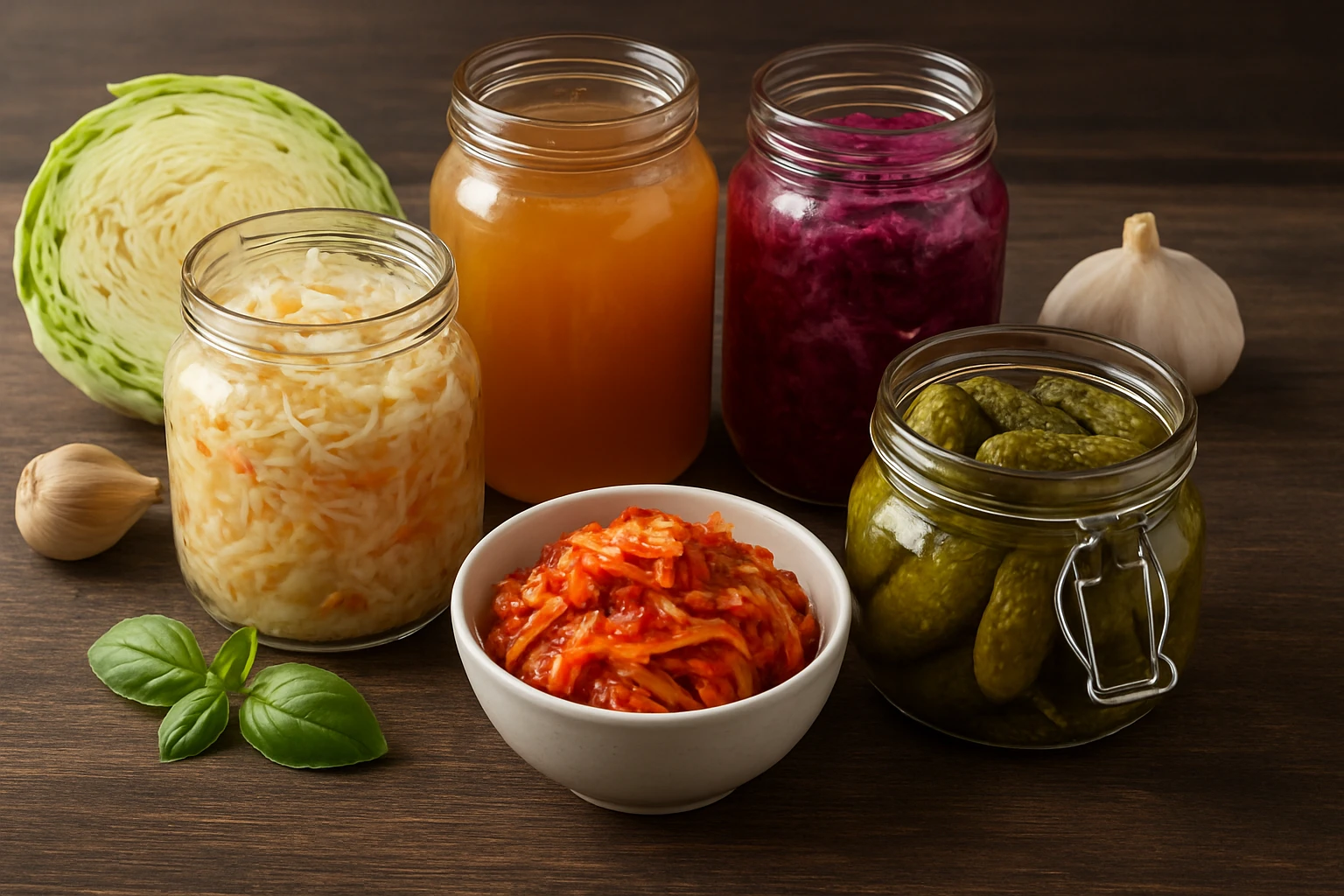

Fermented Foods for Emergency Storage: Ultimate Guide to Safe Preservation, Probiotic Nutrition & Long‑Term Survival
Introduction
In emergency preparedness, reliable nutrition is as critical as shelter and water. Fermented foods offer a unique combination of shelf stability, probiotic health benefits, and versatile culinary applications. This guide will explain the science behind fermentation, outline practical storage strategies, and recommend proven products that enhance a long‑term food cache. Readers will leave with actionable knowledge to integrate fermented staples into their survival plans.
Background and Context
Fermentation is a metabolic process in which microorganisms such as bacteria, yeasts, and molds convert sugars into acids, gases, or alcohol. The most common result for food preservation is lactic acid fermentation, which lowers pH and inhibits spoilage organisms. Historically, societies ranging from ancient Mesopotamia to modern Germany relied on fermented cabbage, kimchi, and pickles to survive harsh winters. Today, scientific research confirms that regular consumption of live cultures supports gut health, immune function, and nutrient absorption, all of which are vital during prolonged stress.
For emergency storage, the key attributes of fermented foods are low water activity, acidic environment, and often reduced caloric density. These factors allow products to remain safe for years when kept in cool, dark conditions. However, not all fermented items are created equal; some require refrigeration, while others are shelf‑stable. Understanding these distinctions is essential for building a resilient food stockpile.
Core Strategies for Incorporating Fermented Foods
Successful integration of fermented foods into an emergency cache follows three core strategies: selecting shelf‑stable varieties, ensuring proper packaging, and rotating stock regularly. Shelf‑stable options include canned sauerkraut, fermented soy products, and probiotic beverages that are sealed in glass or metal containers. Proper packaging protects against moisture ingress and oxygen exposure, both of which can accelerate degradation. Finally, rotating stock every 12 to 24 months guarantees freshness and preserves the viability of live cultures.
Shelf‑Stable Sauerkraut
Sauerkraut is a classic fermented cabbage that offers high vitamin C, dietary fiber, and natural probiotics. When sealed in a sealed barrel or can, it can remain safe for up to five years. The German brand Gundelsheim Sauerkraut Barrel provides 28.5 ounces of traditionally fermented cabbage with a mild, fruity flavor profile. Priced at $14.99, it holds a 4.5‑star rating from 1,218 verified reviewers, indicating consistent quality and consumer satisfaction. Its low calorie count makes it suitable for dietary nutrition even in caloric‑restricted emergency scenarios.
Fermented Soy Products
Fermented soy items such as miso paste and tempeh supply complete protein, essential amino acids, and beneficial microbes. Canned miso can be stored for up to three years, and its salty, umami flavor enhances soups and stews without additional seasoning. When selecting soy products, prioritize those packaged in BPA‑free cans and those that list live cultures on the label.
Probiotic Beverages
Kombucha and kefir are fermented drinks that deliver a diverse spectrum of bacteria and yeasts. Shelf‑stable kombucha is often sold in glass bottles with a sealed cap, allowing storage for 12 to 18 months. While these beverages are not primary calorie sources, they help maintain gut flora during periods of limited fresh food.
Product Recommendations
Below are curated product suggestions that complement the core strategies outlined above. Each recommendation includes key specifications, consumer feedback, and a direct link for convenient acquisition.
Gundelsheim Sauerkraut Barrel
- Brand: Gundelsheim
- Size: 28.5 oz (approximately 810 g)
- Price: $14.99
- Rating: 4.5/5 from 1,218 reviews
- Features: Traditional German fermentation, mild fruity flavor, low‑calorie, ready‑to‑eat
- Availability: In stock
This product exemplifies a reliable, shelf‑stable fermented vegetable that can be incorporated into soups, stews, or eaten straight from the jar during emergencies.
Additional Suggested Items (Not Provided in Data)
While the focus of this guide is the Gundelsheim product, readers may also consider reputable canned miso, tempeh, and kombucha brands that meet the same storage criteria. When selecting these items, verify that the packaging indicates a “best‑by” date beyond the intended storage period.
Comparison and Selection Guide
Choosing the appropriate fermented foods depends on three primary factors: shelf life, nutritional profile, and culinary versatility. The table below compares common categories.
| Category | Shelf Life (Unopened) | Key Nutrients | Typical Uses | Recommended Product |
|---|---|---|---|---|
| Sauerkraut (Canned/Barrel) | 3‑5 years | Vitamin C, fiber, probiotics | Side dish, soup base, sandwich topping | Gundelsheim Sauerkraut Barrel |
| Miso Paste (Canned) | 2‑3 years | Protein, B‑vitamins, probiotics | Soup stock, marinades, sauces | Brand‑specific canned miso (verify label) |
| Tempeh (Vacuum‑sealed) | 12‑18 months | Complete protein, iron, calcium | Stir‑fry, stews, meat substitute | Reputable vacuum‑sealed tempeh |
| Kombucha (Glass bottle) | 12‑18 months | Probiotics, organic acids, antioxidants | Hydration, digestive aid | Shelf‑stable kombucha brand |
When evaluating options, prioritize products with transparent ingredient lists, minimal additives, and clear “best‑by” dates. The Gundelsheim Sauerkraut Barrel stands out for its traditional production method and high consumer rating.
Best Practices & Tips for Long‑Term Fermented Food Storage
- Store in a cool, dark location: Ideal temperature ranges from 50‑70 °F (10‑21 °C). Excess heat accelerates acid degradation.
- Maintain airtight seals: Use zip‑lock bags or vacuum sealers for opened containers to prevent moisture and oxygen infiltration.
- Label with acquisition date: Rotate stock by consuming the oldest items first, then replenishing with fresh batches.
- Inspect regularly: Look for bulging lids, off‑odors, or discoloration, which may indicate spoilage despite the acidic environment.
- Combine with complementary foods: Pair fermented vegetables with canned proteins and grains to create balanced meals during emergencies.
Adhering to these guidelines ensures that probiotic potency remains high and that the food retains its intended flavor and nutritional value throughout the storage period.
Frequently Asked Questions
1. How long can fermented foods remain safe to eat?
When sealed and stored properly, most fermented foods retain safety for 1‑5 years depending on the product type. Sauerkraut in a sealed barrel typically lasts up to five years.
2. Do I need refrigeration for canned or barrel‑sealed fermented foods?
No, shelf‑stable fermented foods are designed for room‑temperature storage. Refrigeration may extend freshness but is not required for safety.
3. Will the probiotic benefits diminish over time?
Probiotic viability gradually declines, especially at higher temperatures. Storing in a cool environment preserves a larger proportion of live cultures.
4. Can I re‑ferment opened sauerkraut to extend its life?
Yes, if the product is transferred to a sterilized jar, covered with a brine solution, and kept at a consistent cool temperature, it can continue fermenting for several months.
5. Are fermented foods suitable for all dietary restrictions?
Most fermented vegetables are vegan and gluten‑free, but individuals with histamine sensitivities should monitor intake, as fermentation can increase histamine levels.
6. How do I incorporate fermented foods into a survival meal plan?
Use fermented vegetables as base flavors for soups, stews, and grain bowls. Combine with canned beans, rice, and dried meats to create nutritionally complete rations.
7. What is the best way to test the acidity of stored sauerkraut?
Using pH test strips, a safe sauerkraut should read between 3.0 and 3.5. Values above 4.0 may indicate insufficient acidity and potential spoilage.
Conclusion
Fermented foods represent a resilient, nutrient‑dense component of any emergency food strategy. By understanding the science of fermentation, selecting shelf‑stable products such as the Gundelsheim Sauerkraut Barrel, and applying rigorous storage practices, individuals can secure probiotic nutrition and flavor variety for years. Integrating these foods alongside other long‑term staples creates a balanced, morale‑boosting pantry that supports both physical health and psychological well‑being during prolonged crises.
Products Featured in This Guide
Gundelsheim Sauerkraut Barrel
Price: $14.99
Rating: 4.5 out of 5 (1,218 reviews)
Featured because it provides traditional German fermentation, long shelf life, low calorie content, and proven consumer satisfaction, making it ideal for emergency food caches.