Introduction
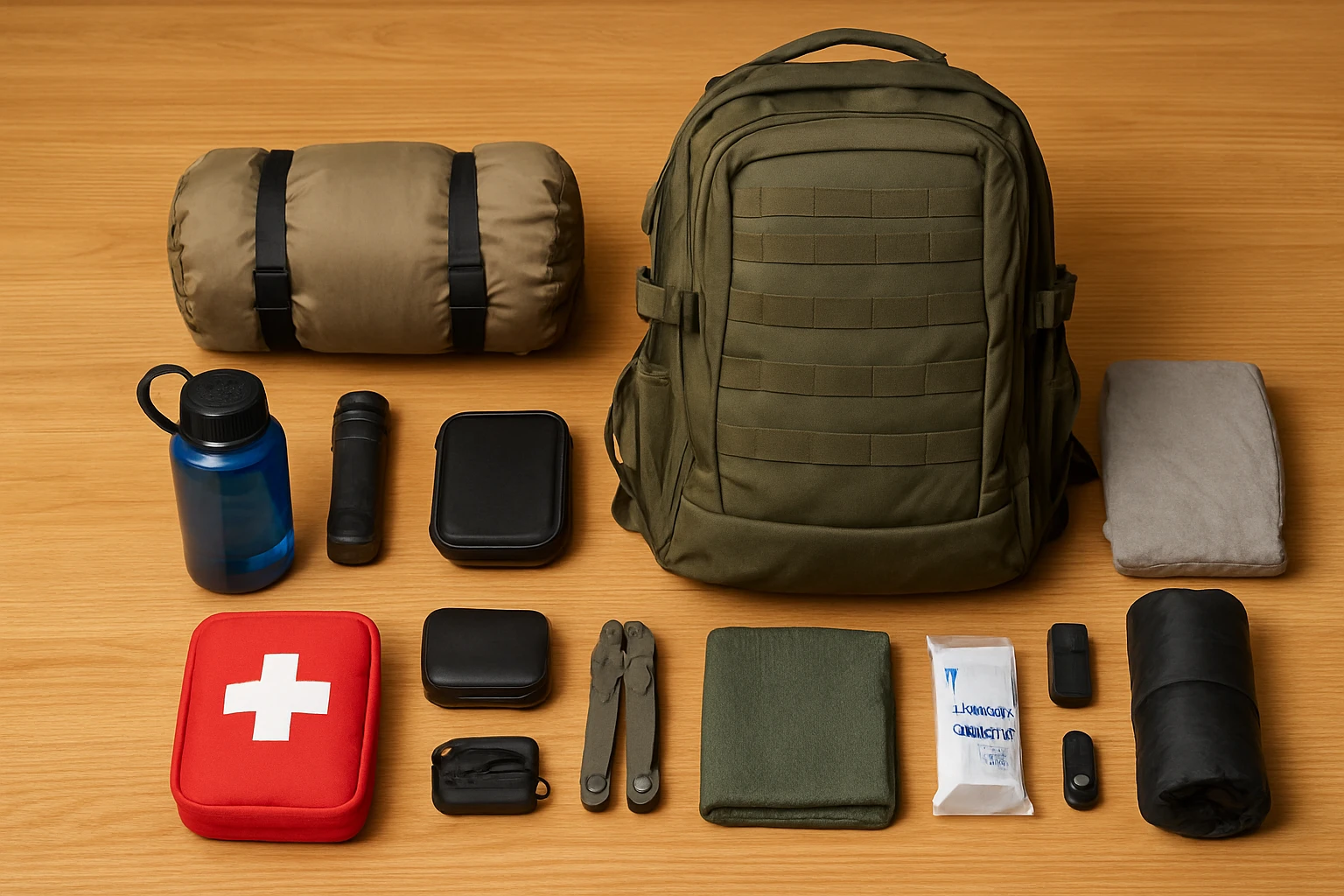
In an emergency, a well‑planned bug out bag can mean the difference between safety and hardship. This guide teaches the reader how to assemble a one‑person bug out bag that weighs less than 25 pounds while still providing essential shelter, medical, food, and navigation tools. By following the step‑by‑step instructions, one will understand how to balance weight, durability, and versatility, ensuring readiness for natural disasters, civil unrest, or wilderness evacuations.
The approach emphasizes modularity, allowing the bag to be adapted for short‑term urban evacuations or extended back‑country travel. Although the guide recommends specific products, the concepts remain valuable even without purchasing them, enabling the reader to make informed decisions based on personal budget and existing gear.
Readers will finish this article with a complete packing list, weight estimates, and practical advice on maintaining the bag for long‑term reliability.
Let us begin by outlining the essential categories of equipment and the rationale behind each selection.
What You’ll Need
- Backpack with MOLLE compatibility – QT&QY Tactical Backpack
- Comprehensive survival kit – RIKOJUXI Survival Kit
- Mylar emergency blanket/poncho – Prepared4X Mylar Blanket
- Compact multi‑tool kit – Xuanlan Survival Kit
- Additional consumables (water purification tablets, energy bars, fire‑starter sticks, etc.)
Step 1: Select a Durable, Modular Backpack
The foundation of any bug out bag is the carrier. A backpack must support weight, distribute load evenly, and provide quick access to critical items. The QT&QY Tactical Backpack offers 25 L of volume, 900D polyester construction, and a waterproof coating, making it resilient against rain and abrasion.
Key features include a dual‑layer MOLLE webbing system, allowing attachment of additional pouches such as the RIKOJUXI Survival Kit or the Xuanlan Survival Kit. The padded shoulder straps and mesh back panel promote ventilation, reducing fatigue during long carries. With a price of $32.99 and a 4.7‑star rating from 6,877 reviewers, it delivers excellent value.
When packing, place the heaviest items (water, food, and the survival kit) close to the spine to maintain balance. Use the side bottle holders for 500 ml water containers, and secure the Mylar blanket in a side pocket for rapid deployment.
Weight of the empty backpack is approximately 2.5 lb, leaving roughly 22.5 lb for gear while staying under the 25‑pound limit.
Step 2: Assemble Core Survival Gear
The heart of the bug out bag is a comprehensive survival kit that addresses medical, fire‑starting, shelter, and repair needs. The RIKOJUXI Survival Kit provides 262 pieces, including a first‑aid pouch, multi‑function axe‑hammer, 2‑in‑1 shovel, fire starter, fishing kit, and a collapsible water container.
Why this kit? It was developed with input from first responders and special‑forces operators, ensuring that each item meets real‑world demands. The red first‑aid pouch is highly visible, containing tweezers, scissors, bandages, a tourniquet, and an emergency medical card—critical for treating injuries when professional help is unavailable. The included axe‑hammer and shovel enable rapid shelter construction, while the fishing kit and multi‑use spoon provide a means to procure food without adding bulk.
At $45.98 and a 4.6‑star rating from 1,012 reviewers, the kit balances cost and completeness. Its crossbody bag design includes MOLLE straps, allowing it to be clipped directly onto the QT&QY backpack for instant access.
Place the survival kit in the main compartment, centered on the back panel. This positioning protects the contents from impact and keeps the weight close to the body’s center of gravity.
Step 3: Provide Shelter and Thermal Protection
Exposure to wind and cold is a leading cause of injury in disaster scenarios. A lightweight, reflective Mylar blanket can retain up to 90 % of body heat, acting as both a shelter and a signaling device. The Prepared4X Mylar Blanket folds into a compact size that fits over most backpacks, yet expands to cover a person fully.
Its double‑thick NASA‑engineered material resists tearing from branches, making it suitable for rugged terrain. The integrated hood protects the head, while the reflective surface can be used to signal rescuers by flashing sunlight. Priced at $19.99 with a 4.6‑star rating from 9,385 reviews, it offers high performance for a modest cost.
Store the blanket in an external zippered pocket of the QT&QY backpack for rapid deployment. In a rainstorm, drape the blanket over a makeshift lean‑to constructed from the RIKOJUXI tent and rope, securing the edges with the included cordage.
When combined with the emergency blanket inside the survival kit, the Mylar blanket creates a layered insulation system that can keep an individual warm for up to 72 hours in moderate cold.
Step 4: Add a Compact Multi‑Tool Kit
While the larger survival kit covers many scenarios, a pocket‑sized multi‑tool provides redundancy and convenience for everyday tasks. The Xuanlan Survival Kit includes a 5‑in‑1 paracord bracelet with compass, fire starter, whistle, as well as an emergency blanket, scraper, and a small flashlight.
This kit weighs less than 1 lb and fits easily into a side pouch of the QT&QY backpack. Its whistle emits 120 dB, useful for attracting attention, while the compass offers reliable navigation when GPS devices fail. The included fire starter complements the larger kit’s matches, providing redundancy.
At $16.99 and a 4.6‑star rating from 2,412 reviewers, it delivers essential tools without adding significant weight. Attach the bracelet to the backpack strap for instant access, and store the flashlight in a front pocket for night‑time visibility.
Step 5: Pack Food, Water, and Energy Sources
Nutrition and hydration are non‑negotiable. Allocate approximately 5 lb for food and water. Use lightweight freeze‑dried meals (approximately 0.5 lb per serving) and high‑calorie energy bars (0.2 lb each). Carry at least 2 liters of water in the collapsible container from the RIKOJUXI kit; this adds roughly 4.4 lb.
Supplement water with purification tablets or a portable filter, ensuring safe drinking water beyond the initial supply. Place water containers in the bottom of the backpack to stabilize the load, and store food in zip‑lock bags to protect against moisture.
Reserve a small compartment for a compact stove and a fuel canister if extended cooking is anticipated. These items should not exceed 1 lb to maintain the overall weight budget.
Step 6: Include Navigation, Communication, and Lighting
Even a solo evacuee must navigate unfamiliar terrain. The Xuanlan compass provides reliable bearings, while a basic handheld whistle offers a low‑tech signaling method. For longer distances, consider a lightweight map of the local area stored in a waterproof sleeve.
Lighting is essential for night travel. The flashlight from the Xuanlan kit, combined with the glow sticks from the RIKOJUXI kit, offers both directed illumination and a signaling option. Keep the flashlight in an easily reachable front pocket and the glow sticks in a side pouch.
If budget permits, a compact two‑way radio can be added for communication with rescue teams. Ensure any electronic device is stored in a water‑resistant pouch.
Tips & Pro Tips
- Weight Distribution: Keep 60‑70 % of the total weight within 12 inches of the hips to reduce strain on the shoulders.
- Modular Expansion: Use the MOLLE webbing on the QT&QY backpack to attach extra pouches only when needed, keeping the base load light.
- Regular Maintenance: Inspect the RIKOJUXI first‑aid supplies quarterly; replace expired items such as bandages and antiseptic wipes.
- Practice Deployment: Conduct a mock evacuation at least twice a year to become familiar with the bag’s layout and to test the Mylar blanket’s shelter setup.
- Water Management: Pre‑fill the collapsible water container before long trips; a full container adds stability and reduces sloshing.
- Redundancy: Carry two fire‑starting methods (matches in the survival kit and the fire starter in the Xuanlan bracelet) to mitigate failure.
Troubleshooting
Problem: The bag exceeds the 25‑pound limit.
Solution: Review each compartment and remove non‑essential items. Replace heavy canned food with freeze‑dried alternatives, and consider a lighter water source such as a hydration bladder that can be partially filled.
Problem: The Mylar blanket tears during deployment.
Solution: Reinforce the edges with paracord from the Xuanlan bracelet before use. Store the blanket in a protective sleeve to prevent abrasion.
Problem: First‑aid supplies are missing after a short trip.
Solution: Use the detachable crossbody strap of the RIKOJUXI kit to keep the medical pouch separate from the main load, ensuring quick access and reducing the chance of loss.
Conclusion
Building a one‑person bug out bag under 25 pounds requires careful selection of lightweight, multi‑functional gear and thoughtful organization. By choosing the QT&QY Tactical Backpack as a sturdy carrier, the RIKOJUXI Survival Kit for comprehensive emergency supplies, the Prepared4X Mylar Blanket for shelter and heat retention, and the Xuanlan Survival Kit for compact tools, the reader achieves a balanced load that addresses shelter, medical, navigation, and sustenance.
Regularly review and update the bag, practice rapid deployment, and maintain weight distribution to ensure readiness for any scenario. With this guide, the reader is empowered to act decisively, protect personal safety, and increase the likelihood of a successful evacuation.
Products Mentioned in This Guide
Frequently Asked Questions
What is the recommended maximum weight for a one‑person bug out bag?
Aim for 25 pounds or less to stay mobile while still carrying essential supplies.
Which backpack style works best for a lightweight bug out bag?
A MOLLE‑compatible, ergonomic backpack with removable pouches provides flexibility and keeps weight down.
How can I make my bug out bag modular for both urban and wilderness scenarios?
Use detachable compartments and zip‑lock bags so you can add or remove items based on the situation.
What are the must‑have items for shelter and medical emergencies?
A compact tarp or bivy, a lightweight sleeping bag, and a basic first‑aid kit with bandages, antiseptic, and pain relievers.
How often should I inspect and rotate the gear in my bug out bag?
Check the bag every three months and replace expired food or medical supplies as needed.