How to Calculate the Exact Water Needed to Rehydrate Emergency Meals: Step‑by‑Step Per‑Serving Guide
Introduction
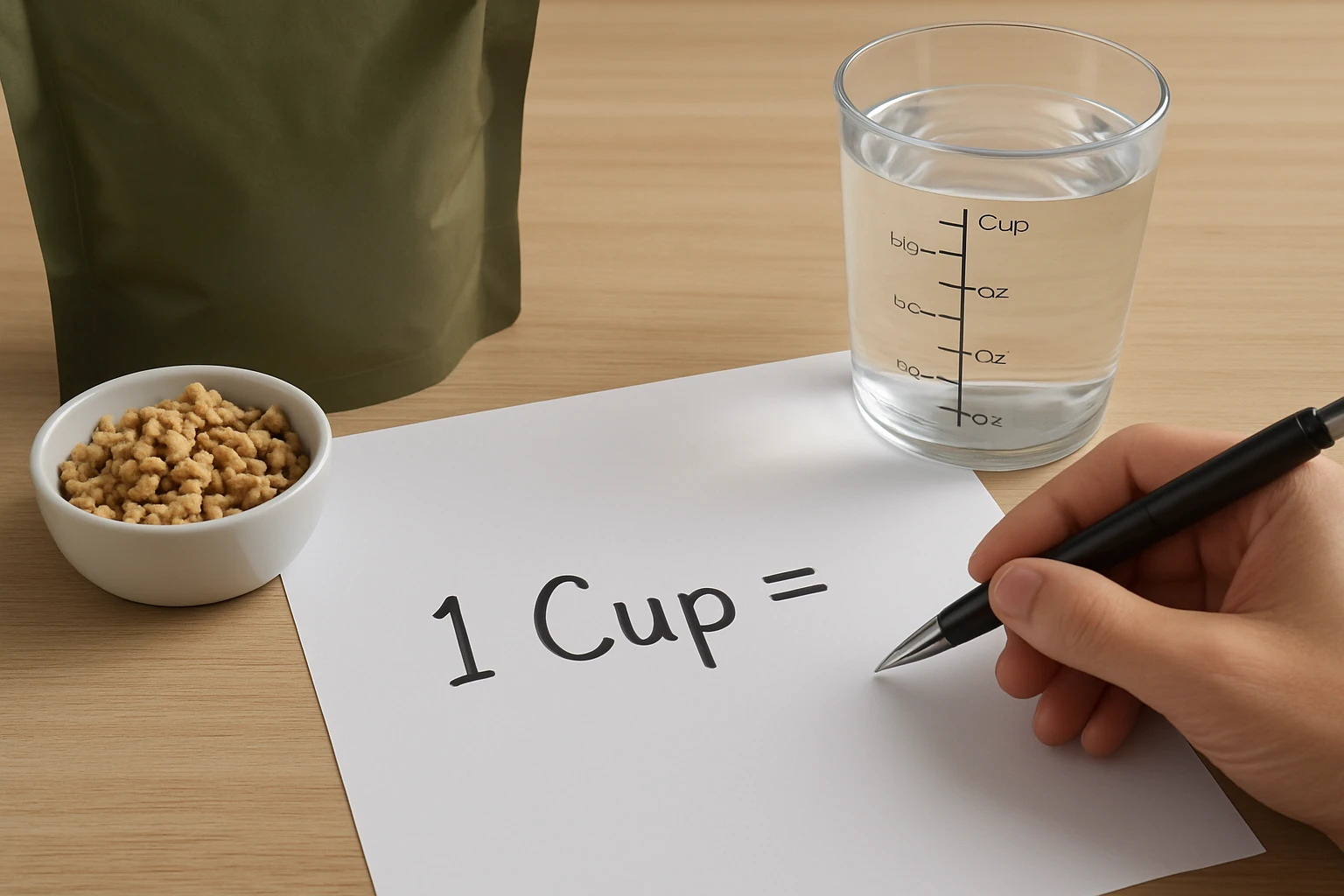
When an adventurer relies on freeze‑dried meals, the quality of the rehydration process can determine comfort, nutrition, and morale. This guide teaches readers how to calculate the precise amount of water required for each serving, ensuring optimal texture and flavor. By mastering these calculations, one can avoid under‑hydrated meals that taste dry or over‑hydrated meals that become soupy. The information presented is valuable for campers, backpackers, and anyone preparing an emergency food supply.
What You’ll Need
- Measuring cup or graduated cylinder (preferably 250 ml or 8 oz capacity)
- Stirring utensil (spoon or lightweight collapsible stirrer)
- Portable heat source (optional, for hot water)
- Clean water container or bottle
- One or more of the recommended Mountain House meals
All of the meals listed below are designed for quick preparation, but accurate water measurement remains essential for best results.
Step 1: Identify the Serving Size
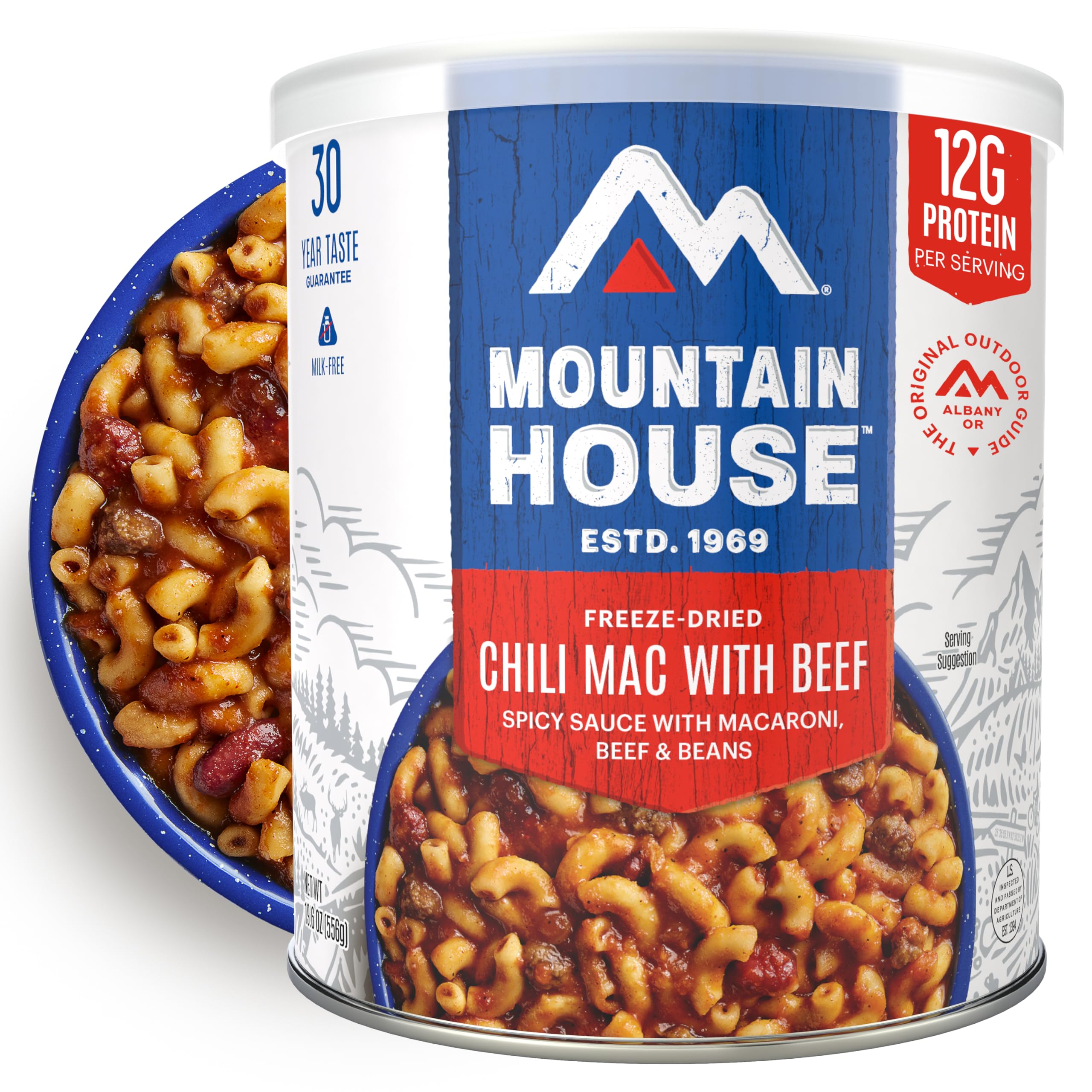
The first step is to confirm the number of servings you intend to prepare. Each product label specifies a per‑serving water requirement, typically expressed in fluid ounces or milliliters. For example, Mountain House Chili Mac with Beef provides ten servings per pouch, meaning the total water listed must be divided by ten. Understanding the exact serving count prevents waste and ensures consistent texture across multiple meals.
Why this matters: Using the wrong serving count can lead to either a mushy consistency (excess water) or a gritty, under‑hydrated bite (insufficient water). Accurate serving identification is the foundation of the entire rehydration process.
Step 2: Locate the Manufacturer’s Water Recommendation
Each Mountain House product includes a recommended water volume on the back of the pouch. The Chili Mac with Beef suggests 2 cups (473 ml) per serving, while the Spaghetti with Beef Marinara calls for 1 ½ cups (354 ml) per serving, and the Chicken Fried Rice requires 1 cup (237 ml) per serving. Record these values in a notebook or digital note for quick reference.
Why this matters: Manufacturer recommendations are calibrated for the specific moisture content of each recipe, ensuring the intended flavor profile is achieved.
Step 3: Measure Water Accurately
Using a calibrated measuring cup, pour the exact volume of water required for the selected serving count. For instance, preparing three servings of Chili Mac requires 3 × 473 ml = 1,419 ml of water. If a portable measuring cup is unavailable, a standard 500 ml bottle can serve as a reference, but verify the markings before use.
Product recommendation: While the guide does not sell measuring tools, the precision of the water measurement directly influences the success of the meals listed above. The Mountain House Chili Mac with Beef (price $59.99, rating 4.7/5 from 1,009 reviews) exemplifies a meal that benefits greatly from exact water volumes.
Step 4: Adjust for Altitude and Temperature
At higher altitudes, water boils at lower temperatures, which can affect the rehydration time and water absorption. A rule of thumb is to increase the water volume by 5‑10 % for elevations above 5,000 ft. Similarly, colder water slows the rehydration process; using water warmed to 70‑80 °F (21‑27 °C) reduces wait time without requiring a stove.
Why this matters: Adjusting for environmental conditions prevents under‑hydrated meals in cold or high‑altitude scenarios, maintaining the intended taste and nutrition.
Step 5: Combine Water and Meal
Open the pouch, pour the measured water directly into the bag, and seal it tightly. For the Spaghetti with Beef Marinara (price $23.99, rating 4.7/5 from 3,531 reviews), the recommended 1½ cups per serving ensures the pasta remains al dente after rehydration. The pouch design allows for easy mixing without spilling.
Why this matters: Directly adding water to the pouch eliminates the need for additional containers, reducing pack weight and simplifying the process.
Step 6: Stir and Wait
Insert a spoon or collapsible stirrer and blend the contents until no dry clumps remain. Close the pouch again and let the meal sit for the time specified on the label—typically 5‑10 minutes. During this period, the freeze‑dried ingredients absorb water and expand, creating a ready‑to‑eat meal.
Product note: The Chicken Fried Rice (price $14.95, rating 4.5/5 from 2,552 reviews) requires about 8 minutes of standing time, after which the rice, chicken, and vegetables achieve a pleasing texture.
Step 7: Verify Consistency
After the waiting period, open the pouch and assess the texture. The meal should be moist but not watery, and the ingredients should be fully reconstituted. If the mixture appears too thick, add a tablespoon (15 ml) of water at a time and stir until the desired consistency is reached.
Why this matters: Small adjustments prevent the need for a second preparation cycle, saving time and resources during an emergency.
Step 8: Pack Remaining Meals for Future Use
If you have prepared multiple servings, store any unused portions in a clean, airtight container. Label the container with the date of preparation and the water‑to‑meal ratio used. This practice ensures that future rehydrations can be performed quickly, especially in time‑critical situations.
Product benefit: All three Mountain House meals feature long‑term shelf stability (up to 30 years), allowing you to store prepared portions without concern for spoilage.
Tips & Pro Tips
- Always use clean, potable water. If source water is questionable, pre‑filter or treat it before measurement.
- For rapid rehydration, pre‑heat water to just below boiling; this reduces the standing time by up to 30 %.
- When traveling light, consider using a collapsible silicone water bottle that doubles as a measuring device.
- Keep a small spare packet of salt or seasoning; altitude‑adjusted meals may benefit from a pinch of extra flavor.
Troubleshooting
| Problem | Possible Cause | Solution |
|---|---|---|
| Meal is too dry | Insufficient water measured or water evaporated during heating | Add 1‑2 tbsp of water, stir, and let sit another 2 minutes. |
| Meal is overly soupy | Excess water added or water not fully absorbed | Drain a small amount of water, stir, and let sit to allow absorption. |
| Clumps remain after stirring | Water temperature too low or insufficient stirring time | Use warm water and stir for at least 30 seconds before waiting. |
Conclusion
Accurately calculating water per serving transforms freeze‑dried emergency meals into satisfying, nutritious dishes that boost morale on the trail. By following the eight steps outlined above, readers can ensure consistent results regardless of altitude, temperature, or pack weight. The recommended Mountain House products—Chili Mac with Beef, Spaghetti with Beef Marinara, and Chicken Fried Rice—provide reliable benchmarks for water ratios, taste, and shelf stability. Mastery of these calculations empowers adventurers to remain well‑fed, focused, and prepared for any situation.
Products Mentioned in This Guide
Frequently Asked Questions
How do I calculate the exact amount of water for a freeze‑dried meal?
Check the package for the recommended water volume, then measure that amount with a 250 ml (8 oz) cup for accuracy.
What tools are essential for measuring water in the field?
A graduated cylinder or 250 ml measuring cup, plus a lightweight stirrer, are all you need.
Can I adjust water amounts for personal texture preferences?
Yes, add up to 10% more or less water, but stay within the manufacturer’s range to avoid under‑ or over‑hydration.
Is hot water required for all emergency meals?
Most freeze‑dried meals need hot water for proper rehydration, but some can be prepared with room‑temperature water as specified on the label.
How does accurate water measurement affect nutrition and morale?
Correct hydration restores intended texture and flavor, ensuring the meal’s nutrients are fully available and boosting morale during emergencies.

