How to Safely Store Baby Formula and Breast Milk for Emergencies: The Ultimate Guide
Introduction
During a crisis, ensuring that infants receive safe nutrition becomes a paramount concern for caregivers. This guide explains the scientific principles behind safe storage, outlines practical strategies, and recommends reliable containers that protect formula and breast milk from spoilage. Readers will learn how to select appropriate storage solutions, maintain optimal conditions, and rotate supplies to guarantee freshness. By the end of this article, one will possess the knowledge required to prepare for emergencies with confidence.
Background and Context
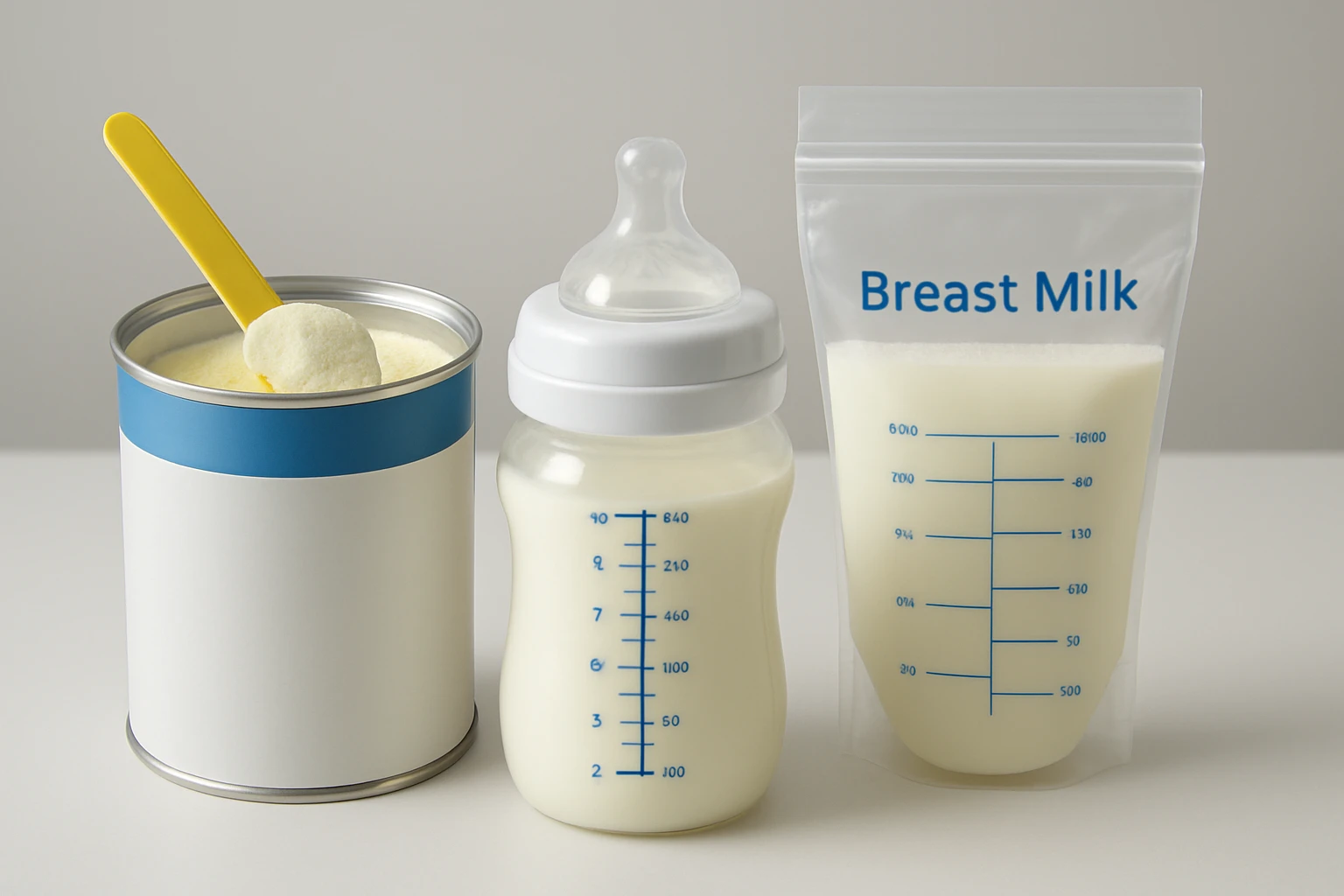
Infant formula and expressed breast milk are highly susceptible to bacterial growth when exposed to moisture, heat, or air. Food‑grade plastics, airtight seals, and proper labeling are essential components of a safe storage system. Emergency preparedness plans often overlook the specific needs of infants, yet the loss of nutrition can have severe health consequences. Understanding the underlying microbiology and the regulatory standards for baby food helps caregivers make informed decisions.
Understanding Shelf Life and Safety
Powdered formula typically retains its nutritional value for up to two years when stored in a cool, dry environment, but exposure to humidity can accelerate degradation. Once mixed with water, formula must be used within two hours at room temperature or refrigerated within one hour and consumed within 24 hours. Breast milk, whether fresh or frozen, has distinct timelines: freshly expressed milk remains safe for four hours at room temperature, twelve hours under refrigeration, and six months in a deep freezer. Maintaining these timelines is critical during power outages or natural disasters.
To protect against contamination, caregivers should employ containers that provide a hermetic seal, resist impact, and are easy to open with limited dexterity. The container’s material must be BPA‑free and approved for food contact to avoid leaching harmful chemicals. Moreover, clear labeling of preparation dates and expiration dates simplifies inventory management when supplies are limited.
Selecting Appropriate Storage Containers
Choosing the right container can dramatically extend the usable life of formula and breast milk during emergencies. The Termichy Portable Formula Dispenser offers a 500 ml capacity, food‑grade PP construction, and a silicone sealing ring that provides airtight protection. Its built‑in scoop and separate spoon compartment enable accurate portioning while minimizing waste, and the durable handle facilitates transport in a travel bag.
The Ankou Airtight Formula Container boasts a 1700 ml capacity, one‑button pop‑up lid, and stackable design for efficient storage. Constructed from BPA‑free AS material, it includes a 5 g spoon, holder, and scraper, making it suitable for large families or extended emergency kits. Its airtight seal prevents moisture ingress, which is essential for preserving powdered formula over long periods.
For expressed breast milk, the Matyz Breastmilk Storage Bottles provide a 6 oz wide‑mouth design that accommodates pumping, storing, and feeding without transferring milk between containers. Made from 100 % food‑grade PP, these bottles are BPA‑free, leak‑proof, and feature measurement markings that remain visible after repeated washing. The included bottle converter ensures compatibility with both wide‑neck and narrow‑neck breast pumps.
Preparing Formula and Milk for Emergency Use
Before an emergency, caregivers should pre‑measure formula servings into individual containers to reduce preparation time. Using the built‑in scoop of the Termichy dispenser, one can allocate a single serving per day, sealing each portion to maintain freshness. For larger households, the Ankou container allows bulk storage, with the pop‑up lid enabling rapid access when power is unavailable.
Expressed breast milk should be stored in Matyz bottles immediately after pumping. The bottles can be placed in a portable cooler with ice packs for short‑term emergencies, or transferred to a deep freezer for long‑term storage. Label each bottle with the date and time of expression to ensure proper rotation.
Managing Temperature and Humidity
Temperature control remains the most challenging aspect of emergency nutrition. Insulated bags, coolers, and portable battery‑powered refrigerators can maintain safe temperatures for several days. When electricity is lost, placing containers in a shaded, well‑ventilated area reduces heat exposure.
Humidity control is equally important for powdered formula. The silicone sealing ring of the Termichy dispenser and the airtight lid of the Ankou container both create barriers against moisture. Storing containers inside sealed plastic bags adds an extra layer of protection during rainy conditions.
Rotating Stock and Monitoring Freshness
Emergency kits should be reviewed every three months to replace expired formula and breast milk supplies. Adopt a “first‑in, first‑out” system by placing newer items behind older ones on the shelf. Recording expiration dates on a visible chart helps caregivers quickly identify items that require replacement.
Regular visual inspection of containers for cracks, discoloration, or compromised seals prevents accidental contamination. The Termichy dispenser’s transparent body allows caregivers to verify powder quality at a glance, while the Matyz bottles’ measurement markings remain legible after repeated cleaning.
Comparison and Selection Guide
| Feature | Termichy Portable Formula Dispenser | Ankou Airtight Formula Container | Matyz Breastmilk Storage Bottles |
|---|---|---|---|
| Capacity | 500 ml | 1700 ml (≈730 g powder) | 6 oz (≈180 ml) each, 4‑pack |
| Material | Food‑grade PP, BPA‑free | BPA‑free AS | 100 % food‑grade PP, BPA‑free |
| Seal Type | Silicone sealing ring | One‑button pop‑up airtight lid | Screw‑on leak‑proof lid |
| Additional Tools | Integrated scoop, spoon compartment | Spoon, holder, scraper | Convertible nipple, bottle converter |
| Price | $9.99 | $18.99 | $15.99 |
| Rating (reviews) | 4.7 / 5.0 (7,738) | 4.6 / 5.0 (1,852) | 4.7 / 5.0 (1,546) |
Caregivers seeking a compact, travel‑ready solution may prefer the Termichy dispenser, while those requiring bulk storage for extended emergencies will benefit from the Ankou container. Parents who pump breast milk should select the Matyz bottles for their versatility and leak‑proof design.
Best Practices & Tips
- Store formula and breast milk in a cool, dry place away from direct sunlight.
- Use airtight containers with silicone or rubber gaskets to prevent moisture ingress.
- Label each container with preparation or expiration dates using waterproof markers.
- Maintain a backup power source such as a portable generator or solar charger for refrigeration.
- Include a manual hand‑pump or battery‑operated breast pump in the emergency kit.
- Practice opening containers with one hand to ensure accessibility during stressful situations.
Frequently Asked Questions
What is the safest temperature for storing powdered formula?
The ideal storage temperature for powdered formula is below 25 °C (77 °F) in a dry environment. Temperatures above this range accelerate bacterial growth and reduce nutrient stability.
Can I freeze breast milk in the Matyz bottles?
Yes, the Matyz bottles are freezer‑safe and can be stored for up to six months. Ensure the lid is tightly sealed and leave space for expansion.
How long does mixed formula remain safe without refrigeration?
Mixed formula should be consumed within two hours at room temperature. If the ambient temperature exceeds 30 °C (86 °F), the window shortens to one hour.
Are the containers dishwasher safe?
The Termichy dispenser and Matyz bottles are dishwasher safe, while the Ankou container is not compatible with dishwashers and must be cleaned by hand.
What should I do if a seal is compromised?
If a seal shows signs of wear or does not close tightly, transfer the contents to a new airtight container immediately to prevent contamination.
Conclusion
Effective emergency preparedness for infants hinges on proper storage of formula and breast milk, vigilant temperature control, and the use of reliable containers. By selecting products such as the Termichy Portable Formula Dispenser, Ankou Airtight Formula Container, and Matyz Breastmilk Storage Bottles, caregivers can safeguard nutrition for their children during crises. Implementing the best practices outlined in this guide will ensure that infants receive safe, nutritious feedings when it matters most.
Products Featured in This Guide
Termichy Portable Formula Dispenser
Price: $9.99 | Rating: 4.7/5.0 (7,738 reviews)
Featured for its compact 500 ml capacity, built‑in scoop, silicone sealing ring, and BPA‑free construction, making it ideal for travel and quick one‑handed access.
Ankou Airtight Formula Container
Price: $18.99 | Rating: 4.6/5.0 (1,852 reviews)
Featured for its large 1700 ml capacity, one‑button pop‑up airtight lid, and included spoon and scraper, providing efficient bulk storage for extended emergencies.
Matyz Breastmilk Storage Bottles
Price: $15.99 | Rating: 4.7/5.0 (1,546 reviews)
Featured for its 6 oz wide‑mouth design, leak‑proof screw‑on lid, BPA‑free material, and compatibility with both wide‑neck and narrow‑neck breast pumps, facilitating safe storage and feeding.