
Ultimate Guide to Modular Stackable Emergency Food Storage Systems: Space‑Saving, Scalable Solutions for Long‑Term Preparedness
Introduction
One will discover in this guide the essential principles of modular, stackable emergency food storage and the ways in which such systems conserve space while remaining scalable for future growth. The article explains the underlying concepts, presents carefully selected product recommendations, and provides actionable advice for building a resilient pantry. Readers will learn how to evaluate shelf‑stable meals, select appropriate containers, and implement best practices that extend the usefulness of every item. By the end of the guide, one will be equipped to design a storage solution that meets both short‑term emergencies and long‑term preparedness goals.
Background and Context
Preparedness planning has evolved from simple canned goods stockpiles to sophisticated, modular storage architectures. Modern emergency food supplies emphasize long shelf life, high nutritional density, and ease of preparation, while containers focus on airtight sealing, stackability, and durability. The convergence of these trends enables individuals to maximize limited space in homes, vehicles, or shelters. Understanding the science of food preservation, the importance of moisture barriers, and the mechanics of stackable design forms the foundation for an effective system. Moreover, awareness of regulatory standards, such as Coast Guard approval for certain rations, enhances confidence in product selection.
Key Concepts and Strategies
1. Modular Design Principles
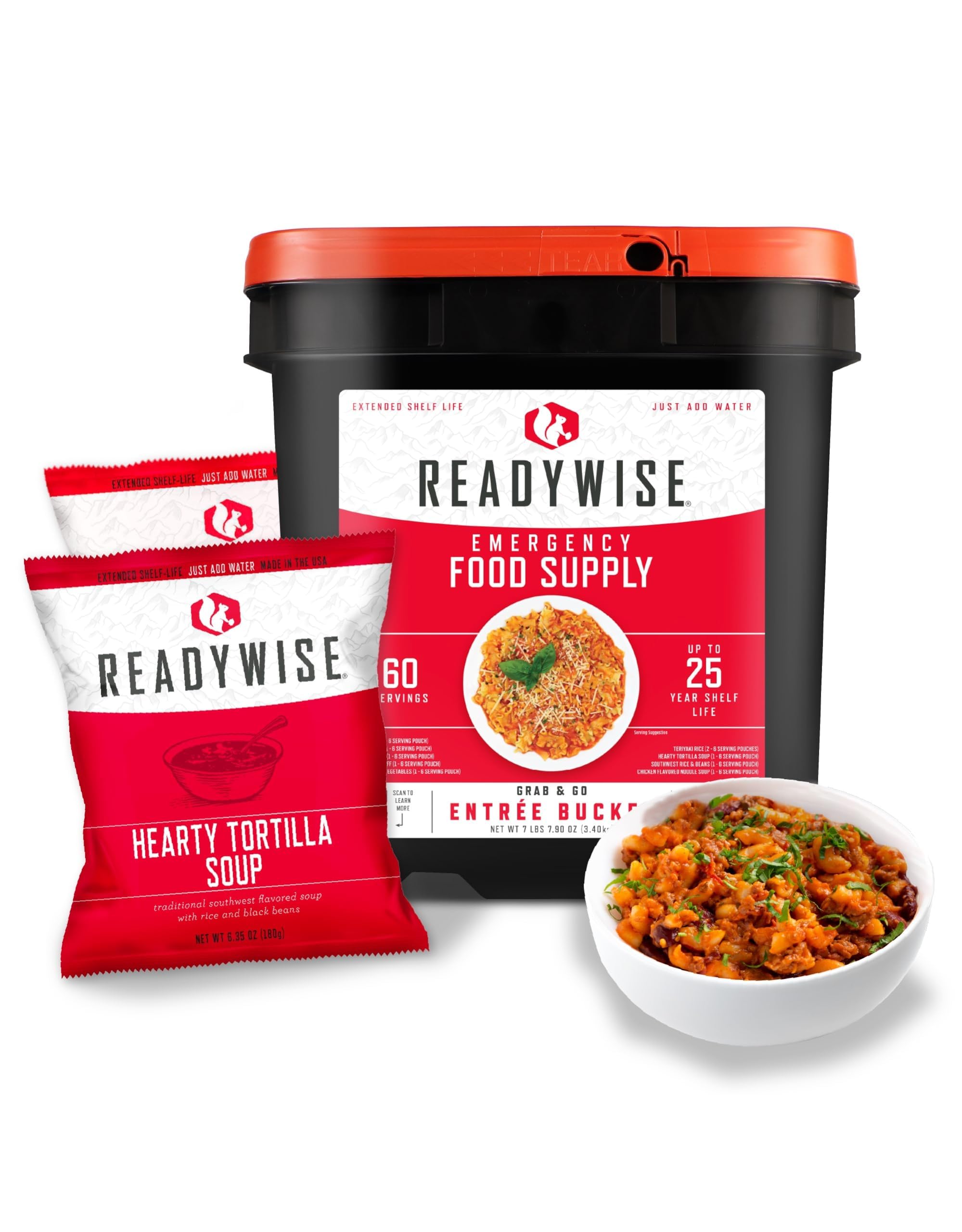
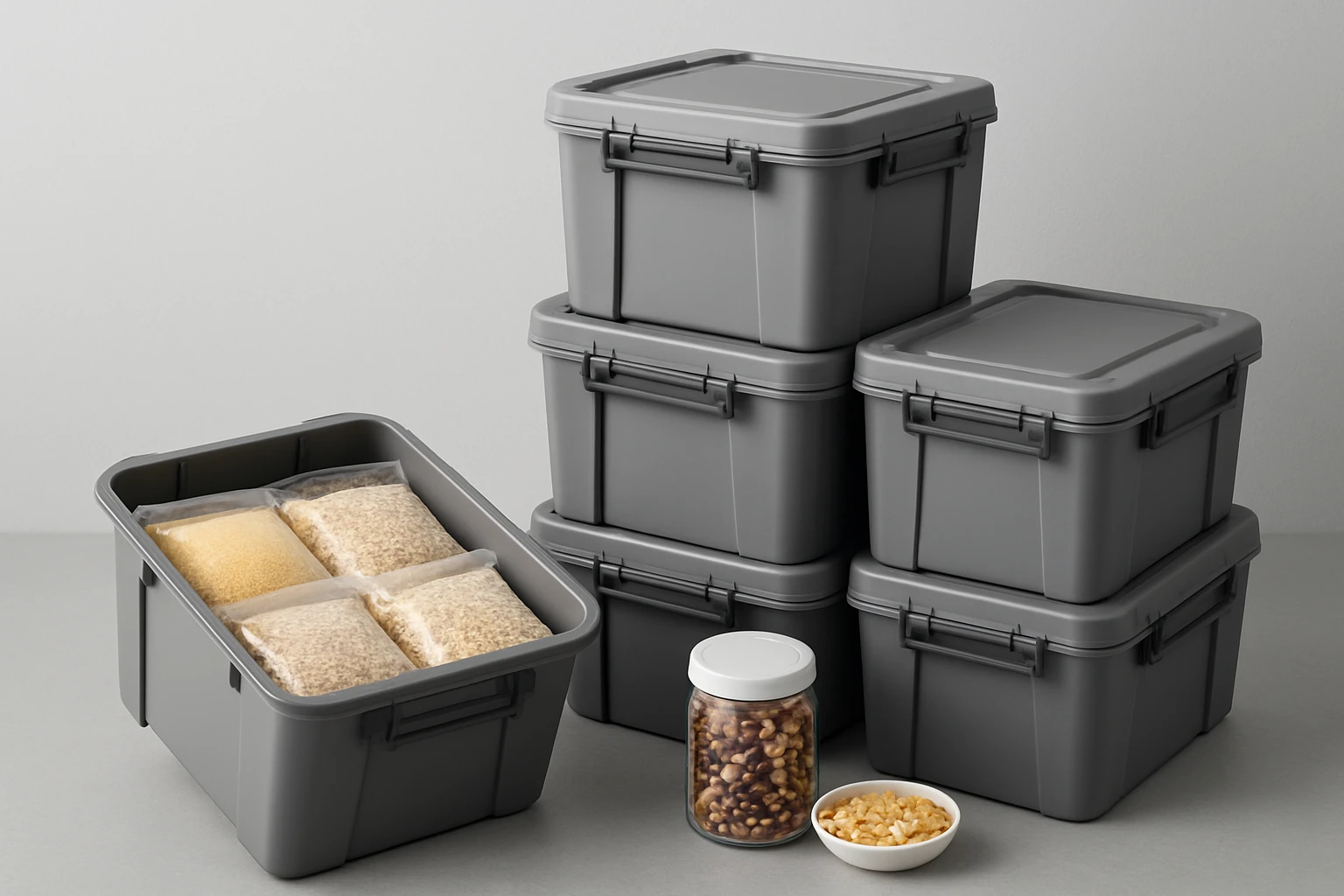
Modular design relies on interchangeable units that can be rearranged to suit varying storage constraints. Each module should possess uniform dimensions that allow vertical stacking without compromising seal integrity. One should prioritize containers with clear labeling options, as visual identification reduces retrieval time during crises. The use of a split‑lid design, as found in the ReadyWise Entrée Bucket, illustrates how a single container can serve both storage and serving functions.
2. Shelf‑Stable Nutrition
Long‑term food supplies must retain protein, carbohydrates, and essential micronutrients for decades. Freeze‑dried meals, such as those offered by ReadyWise, provide balanced nutrition with minimal preparation requirements. Energy‑dense bars, exemplified by the SOS Rations Emergency Food Bar, deliver rapid caloric intake when water is scarce. Selecting products with documented shelf lives of five years or more ensures that the pantry remains viable without frequent rotation.
3. Space‑Saving Container Selection
Containers that feature airtight, leak‑proof seals prevent moisture ingress, which is a primary cause of spoilage. The Rubbermaid Brilliance 12‑Cup Container offers a clear, BPA‑free design that allows quick visual assessment of contents while its modular shape supports efficient stacking. One should match container volume to the packaging size of the food items to avoid wasted space.
Recommended Products
The following products have been selected because they embody the principles discussed above. Each product is linked at its first mention using a friendly name.
- ReadyWise Entrée Bucket – a 60‑serving, freeze‑dried meal bucket with up to 25‑year shelf life, priced at $102.00 and rated 4.5 stars by over ten thousand reviewers.
- SOS Rations Emergency Food Bar – a 3‑day, 3600‑calorie emergency bar package, priced at $14.95 with a 4.5‑star rating from more than three thousand reviewers.
- Rubbermaid Brilliance 12‑Cup Container – a clear, airtight storage container priced at $16.19 and rated 4.8 stars by over thirty thousand reviewers.
Comparison and Selection Guide
When choosing between the featured items, one should consider three primary criteria: nutritional profile, storage compatibility, and budget constraints. The table below summarizes the key attributes.
| Feature | ReadyWise Entrée Bucket | SOS Rations Emergency Food Bar | Rubbermaid Brilliance Container |
|---|---|---|---|
| Primary Function | Freeze‑dried meals | High‑calorie bars | Food storage container |
| Servings | 60 meals | 9 bars (3 days) | 12‑cup capacity |
| Shelf Life | Up to 25 years | 5 years | Indefinite (container only) |
| Price | $102.00 | $14.95 | $16.19 |
| Rating | 4.5/5 (10,373 reviews) | 4.5/5 (3,145 reviews) | 4.8/5 (31,043 reviews) |
| Key Advantages | Variety of entrees, split‑lid tray | Compact, non‑thirst‑provoking | Clear view, airtight seal |
For individuals prioritizing meal variety and long‑term storage, the ReadyWise Entrée Bucket offers the most comprehensive solution. Those with limited space who require immediate caloric support may prefer the SOS Rations Emergency Food Bar. The Rubbermaid Brilliance Container serves as an essential complement, providing a durable vessel for both the bucket and bar packaging.
Best Practices and Tips
- Rotate Stock Regularly: One should label each package with the purchase date and schedule a rotation every five years for bars and every ten years for freeze‑dried meals.
- Maintain a Controlled Environment: Store containers in a cool, dry location away from direct sunlight to preserve seal integrity and prevent nutrient degradation.
- Label Contents Clearly: Use waterproof labels or a permanent marker to note the type of food, expiration date, and caloric content.
- Practice Meal Preparation: Conduct a mock setup by adding water to a ReadyWise entrée and consuming an SOS bar to verify taste and ease of use.
- Integrate Containers Into Existing Spaces: Place Rubbermaid Brilliance containers on pantry shelves, in garage cabinets, or within vehicle compartments to maximize accessibility.
Frequently Asked Questions
What is the optimal temperature for storing freeze‑dried meals?
The ideal temperature range is between 50°F and 70°F (10°C‑21°C). Temperatures above this range accelerate nutrient loss, while extreme cold can cause moisture condensation when the container is opened.
Can the SOS Rations bars be consumed without water?
Yes, the bars are formulated to be non‑thirst‑provoking and can be eaten dry; however, consuming a small amount of water improves digestion and comfort.
How many ReadyWise meals can fit inside a Rubbermaid Brilliance 12‑Cup Container?
Each ReadyWise pouch occupies approximately 2‑3 cups of volume, allowing two to three pouches per container without compromising the airtight seal.
Are the Rubbermaid containers BPA‑free?
Yes, the Brilliance line is certified BPA‑free, ensuring that no harmful chemicals leach into stored food.
Is Coast Guard approval necessary for emergency food?
Coast Guard approval is a valuable certification for maritime emergencies, but it is not a requirement for land‑based preparedness. The SOS Rations bars carry this endorsement, providing added confidence for users who travel by boat.
Conclusion
One now possesses a comprehensive framework for constructing a modular, stackable emergency food storage system that balances space efficiency with nutritional adequacy. By integrating long‑lasting meals, high‑energy bars, and airtight containers, a resilient pantry can be assembled without sacrificing household organization. The guide has outlined selection criteria, best practices, and practical examples to empower individuals to take decisive action toward long‑term preparedness.
Products Featured in This Guide
ReadyWise Entrée Bucket
Price: $102.00 | Rating: 4.5/5 (10,373 reviews)
Featured for its 60‑serving freeze‑dried meals, 25‑year shelf life, and innovative split‑lid design that doubles as a serving tray.
SOS Rations Emergency Food Bar
Price: $14.95 | Rating: 4.5/5 (3,145 reviews)
Featured for its compact 3600‑calorie package, five‑year shelf life, and Coast Guard approval, making it ideal for rapid energy needs.
Rubbermaid Brilliance 12‑Cup Container
Price: $16.19 | Rating: 4.8/5 (31,043 reviews)
Featured for its airtight, leak‑proof seal, clear design for easy identification, and stackable form factor that supports modular storage solutions.