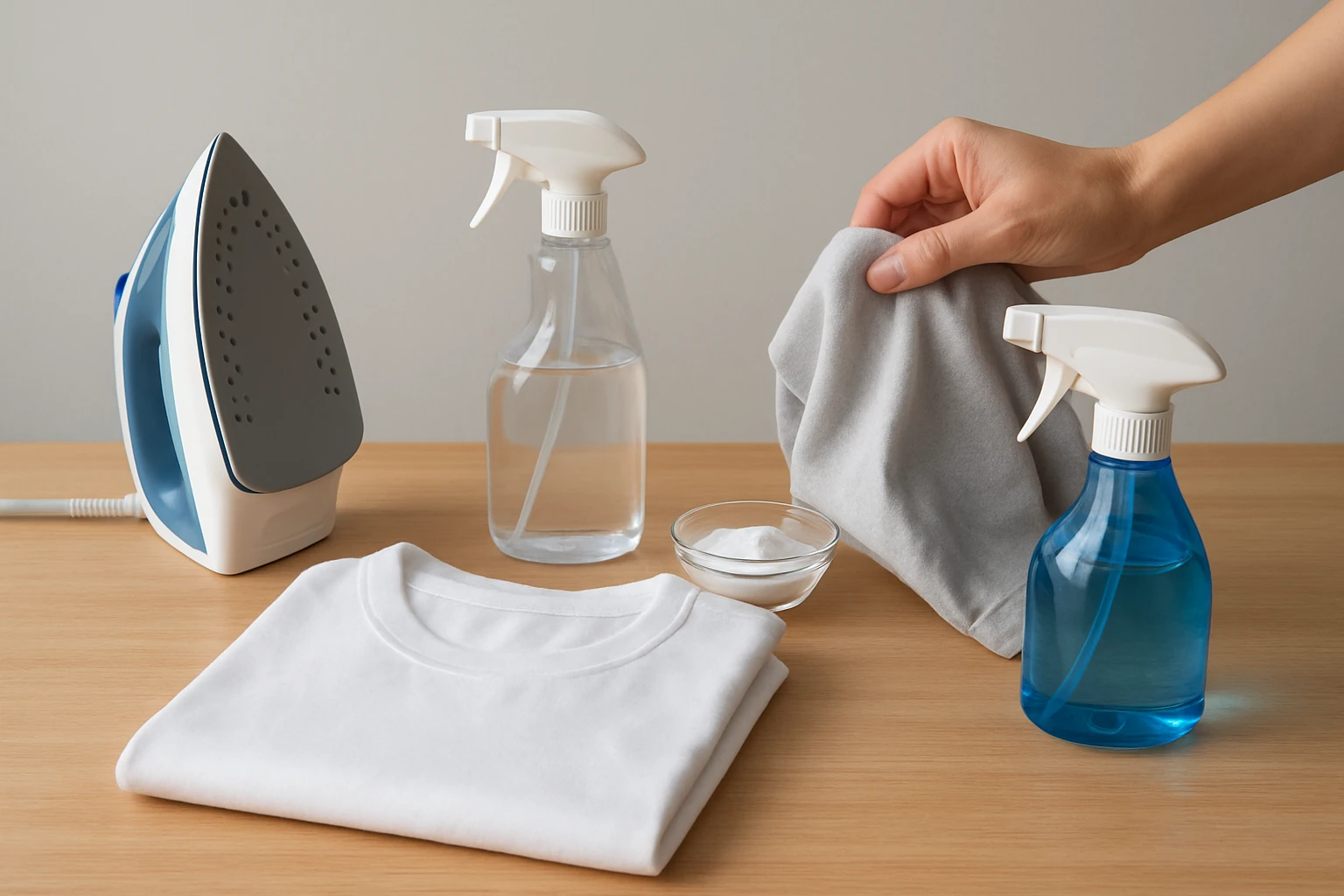
How to Sanitize Clothing Without a Washing Machine: 9 Simple, Effective Methods to Disinfect Clothes at Home
Introduction
One often faces situations in which a washing machine is unavailable, yet garments must be disinfected quickly. This guide explains nine straightforward methods that remove bacteria, eliminate odors, and preserve fabric integrity. Readers will learn how to apply household tools, select appropriate sanitizing sprays, and understand the science behind each technique. By following these steps, one can maintain hygiene standards without compromising convenience.
The methods presented are suitable for a wide range of fabrics, from delicate silk blouses to heavy‑weight denim jackets. Each approach balances effectiveness with fabric safety, ensuring that clothing remains both clean and comfortable.
What You Will Need
- Spray‑on antibacterial fabric sanitizer (e.g., Tide Antibacterial Fabric Spray)
- Multi‑surface sanitizing spray (e.g., Microban Sanitizing Spray)
- Bleach‑free fabric sanitizer (e.g., Clorox Fabric Sanitizer)
- Clean spray bottles, soft‑bristled brush, clean towels, and a well‑ventilated area
- Optional: UV‑C light wand, steam iron, or portable garment steamer
1. Apply a Dedicated Antibacterial Fabric Spray
This method relies on a product formulated specifically for fabrics. One should lay the garment on a flat surface, then mist the entire surface with Tide Antibacterial Fabric Spray. The spray kills 99.9% of bacteria, neutralizes odor‑causing microbes, and leaves a fresh, non‑overpowering scent.
Why this product is useful: its lightweight formula dries quickly, does not leave sticky residue, and is safe for most washable fabrics, including cotton, polyester, and blends. The 22 oz bottle is priced at $17.42 and holds a rating of 4.7 out of 5 from 12,876 reviews, indicating strong consumer confidence.
After spraying, allow the garment to air dry for 10–15 minutes. For thicker items such as jackets, turn the piece inside out and repeat on the interior surface.
2. Use a Multi‑Purpose Sanitizing Spray on Hard and Soft Surfaces
When clothing items contain both fabric and hard components—such as backpacks with metal zippers—Microban Sanitizing Spray offers a 24‑hour residual effect. Spray the fabric portion lightly, then apply the same product to metal or plastic hardware.
Why this product is useful: it provides continuous protection for up to 24 hours, reducing the need for repeated applications. The 15 oz dual‑pack costs $13.99 and carries a 4.6 rating from 2,394 reviewers.
After application, let the item sit for five minutes before handling. The residual antimicrobial layer remains effective on both hard and soft surfaces, making it ideal for travel gear.
3. Treat Stubborn Odors with a Bleach‑Free Fabric Sanitizer
For garments that retain strong odors—such as gym wear or children’s sports uniforms—spraying Clorox Fabric Sanitizer penetrates deep into fibers and eliminates odor‑causing bacteria without bleach. Hold the bottle 6–8 inches away and mist evenly.
Why this product is useful: it is bleach‑free, safe for colored fabrics, and removes both odor and light stains. The two‑pack (48 fl oz total) is priced at $16.48 and has a 4.6 rating from 586 reviews.
Allow the spray to sit for three minutes on heavily soiled areas, then wipe with a clean towel. The garment can be worn after the fabric is completely dry.
4. Steam Disinfection Using a Portable Garment Steamer
Steam provides high‑temperature disinfection without chemicals. Fill a portable steamer with distilled water, heat to the recommended temperature, and run the steam nozzle over the entire garment surface. The heat denatures bacterial proteins, achieving a level of sanitation comparable to washing.
Although no specific product is listed, a reliable steamer typically costs between $30 and $60. Ensure the fabric can tolerate high heat; delicate silks may require a lower steam setting.
After steaming, allow the clothing to dry naturally for 10 minutes before storage.
5. UV‑C Light Exposure for Quick Sanitization
UV‑C light destroys microbial DNA, rendering bacteria and viruses inactive. Place the garment on a clean surface and expose it to a handheld UV‑C wand for 30 seconds per side, maintaining a distance of 2–3 inches.
This method is chemical‑free and leaves no residue. It is most effective on smooth, non‑porous fabrics; heavily textured materials may require longer exposure.
Safety note: never look directly at UV‑C light and avoid skin exposure.
6. Use a Baking Soda and Vinegar Pre‑Treatment
Combine 1 cup of baking soda with 2 cups of white vinegar in a spray bottle. Shake well, then mist the garment lightly. The alkaline‑acid reaction helps break down odor molecules and reduces bacterial load.
After spraying, let the solution sit for five minutes, then blot with a dry towel. This method uses common household items and incurs no additional cost.
Test on an inconspicuous area first to ensure colorfastness.
7. Sunlight Drying and Air‑Flow Exposure
Natural ultraviolet radiation from sunlight acts as a mild disinfectant. Hang the garment outdoors on a clean line, ensuring both sides receive direct sunlight for at least two hours.
Sunlight also helps evaporate moisture, which inhibits bacterial growth. For indoor use, place the item near a window with strong sunlight or use a fan to increase air circulation.
Combine sunlight exposure with any of the spray methods for enhanced results.
8. Alcohol‑Based Spot Treatment
For localized contamination—such as a spill of bodily fluids—apply a cotton ball soaked in 70% isopropyl alcohol directly to the affected area. Gently dab until the spot is saturated, then allow to air dry.
Alcohol rapidly denatures proteins, providing immediate disinfection. This approach is cost‑effective and does not require a full‑garment treatment.
After drying, the area can be lightly misted with a fabric‑safe sanitizer to restore scent.
9. Use a Portable Mini‑Washing Bag with Disinfectant Solution
Place the garment inside a sealable laundry bag, add 1 cup of diluted disinfectant (such as a solution of 1 tbsp of chlorine bleach diluted in 1 gallon of water, if fabric permits), and agitate manually for two minutes. Rinse with clean water and air dry.
This method mimics a machine wash on a small scale, delivering thorough contact with the disinfectant while conserving water.
Always verify that the fabric can tolerate bleach before use; otherwise substitute a fabric‑safe sanitizer like Tide Antibacterial Fabric Spray in the bag.
Tips & Pro Tips
- Test any spray on a hidden seam before full application to avoid discoloration.
- Use a soft brush to loosen surface dirt before spraying; this improves antimicrobial penetration.
- Store sprays in a cool, dark place to preserve active ingredients.
- When using steam or UV‑C, maintain a consistent distance to avoid fabric damage.
- For travel, keep a small travel‑size version of an antibacterial spray in a carry‑on bag.
Troubleshooting
Problem: Residual odor after treatment.
Solution: Reapply a fabric‑safe sanitizer such as Clorox Fabric Sanitizer and allow the garment to air dry in fresh air.
Problem: Stiff or sticky feeling after spraying.
Solution: Ensure the garment is fully dry before wearing; if stiffness persists, wipe the area with a damp cloth and re‑dry.
Conclusion
This guide has presented nine practical, chemical‑ and technology‑based methods for sanitizing clothing without a washing machine. By selecting the appropriate tool—whether a dedicated fabric spray, steam, UV‑C light, or simple household ingredients—one can achieve a high level of hygiene while preserving fabric quality. Regular use of these techniques will keep wardrobes fresh, safe, and ready for any situation.
Products Mentioned in This Guide
Frequently Asked Questions
What are the safest fabric sanitizers to use on delicate clothing?
Choose a spray‑on antibacterial fabric sanitizer labeled safe for delicates, such as Tide Antibacterial Fabric Spray, and test on an inconspicuous area first.
Can I use household bleach to disinfect clothes without a washing machine?
Yes, dilute regular bleach (1 part bleach to 30 parts water) and soak the garment briefly, but avoid bleach on colored or delicate fabrics.
How long should I let a sanitizing spray sit on a garment before it’s effective?
Allow the spray to remain on the fabric for at least 5–10 minutes to ensure proper disinfection.
Is steam cleaning a viable method for sanitizing clothes without a washer?
Steamers can kill most bacteria and viruses; run the steam over the garment for 30–60 seconds, keeping the fabric at a safe distance to prevent damage.
Do I need to rinse clothing after applying a disinfectant spray?
Rinsing isn’t required for most fabric sprays, but you can air‑dry the item; if the product label advises, lightly wipe with a damp cloth.