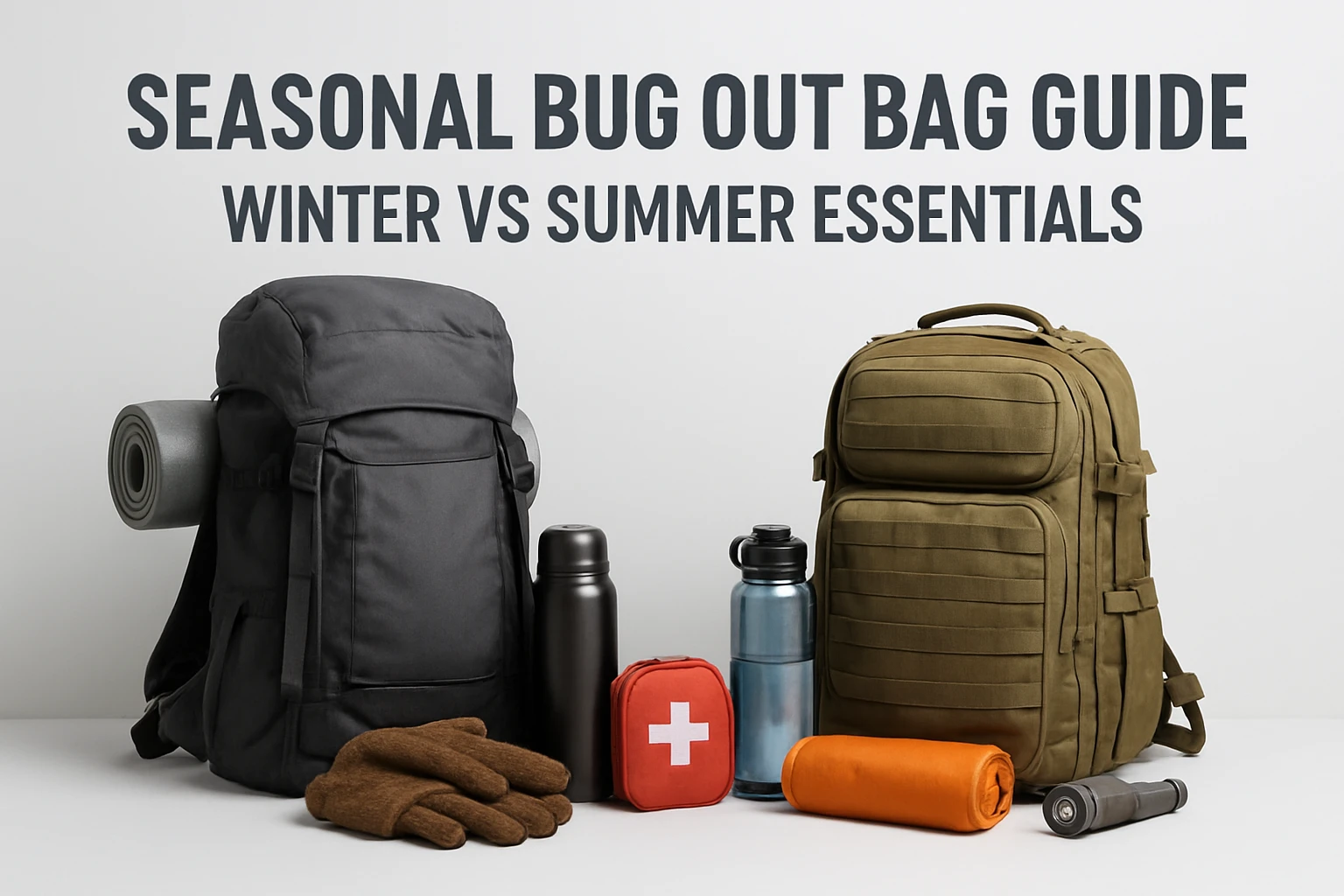
Seasonal Bug Out Bag Guide: Winter vs Summer Packing Essentials & Checklist
Introduction
Survival preparedness demands a bag that matches the climate in which it will be used. This guide explains how seasonal conditions influence the selection of gear, how to balance weight and functionality, and which items provide the best value. Readers will learn the core differences between winter and summer bug out bags, receive a detailed packing checklist, and see expert product recommendations. By the end, one will be equipped to assemble a bag that offers peace of mind in any season.
Background and Context
A bug out bag (BOB) is a portable kit designed to sustain an individual or small group for at least 72 hours after a disaster. The concept originated in military preparedness and has been adopted by civilian emergency planners worldwide. Seasonal variations affect three primary factors: thermal regulation, water procurement, and nutrition requirements. Understanding these factors enables the builder to prioritize gear that prevents hypothermia in winter and dehydration in summer.
Winter Packing Essentials
Cold environments increase caloric burn, reduce the effectiveness of standard water filtration, and demand reliable heat sources. The following categories outline the essential items for a winter‑ready bug out bag.
- Insulation and Shelter: A four‑season bivvy, insulated sleeping pad, and emergency blanket retain body heat when temperatures drop below freezing.
- Heat Generation: Chemical hand warmers, a compact stove with solid fuel tablets, and a fire‑starter kit provide sustainable warmth.
- Water Management: Insulated water bottles prevent freezing, while a portable filter with a pre‑heat element ensures safe drinking water.
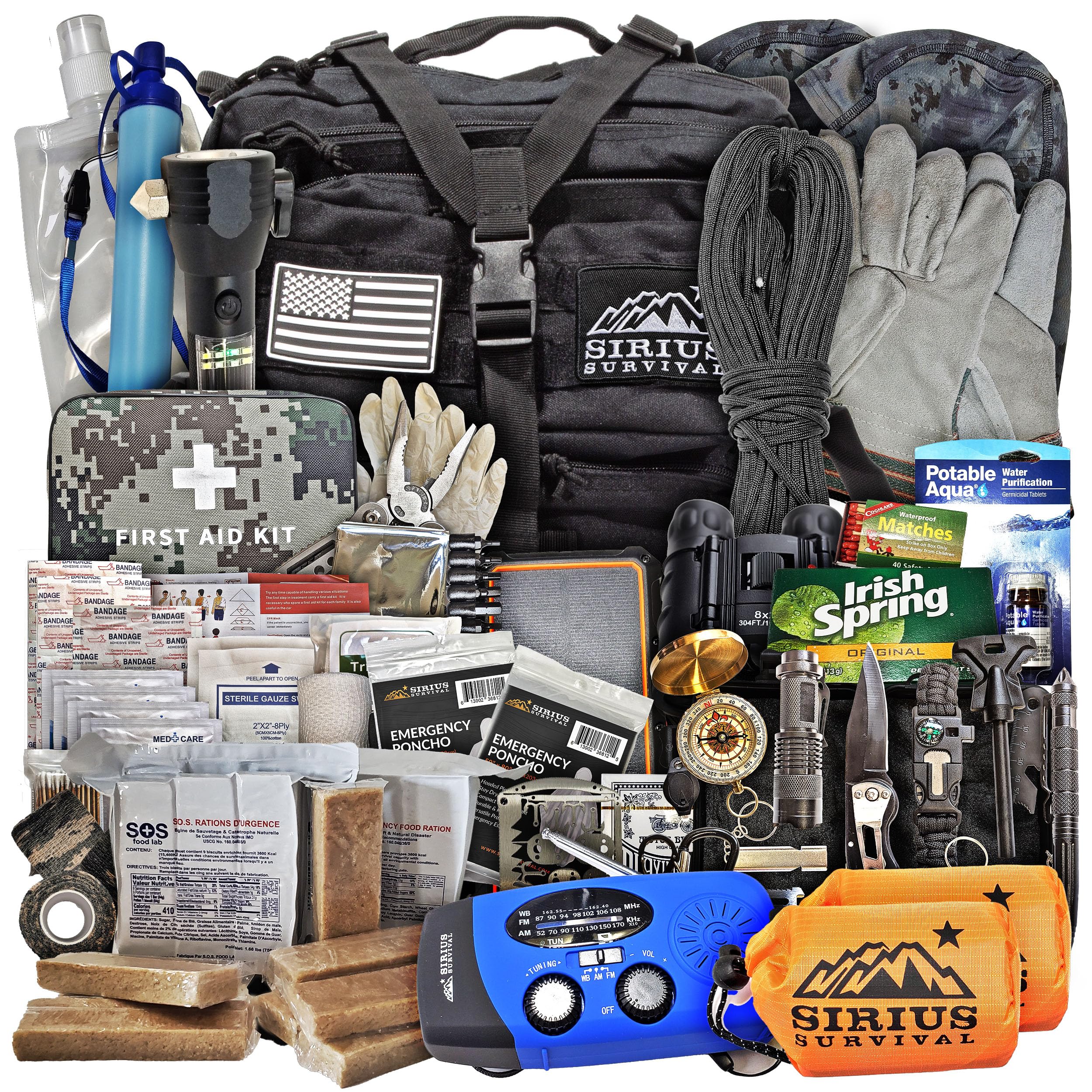
- Nutrition: High‑calorie, low‑volume rations such as those included in the Sirius Survival 72‑Hour Bug Out Bag supply 7200 calories for two people, ideal for cold‑induced energy demands.
Each item should be placed in the bag’s outer compartments for quick access, while heavier items remain low and centered to maintain stability. Waterproofing the bag with a rain cover protects gear from snow melt and ice. Finally, a compact shovel can be used to create a wind‑break or dig a snow trench for shelter.
Summer Packing Essentials
Warm weather introduces risks of heat exhaustion, dehydration, and insect‑borne illnesses. The summer checklist emphasizes lightweight, breathable, and water‑purifying solutions.
- Hydration: Collapsible water bladders hold up to 3 L, and a UV‑purification straw provides rapid treatment for natural sources.
- Sun Protection: A wide‑brim hat, SPF‑rated sunscreen, and UV‑blocking sunglasses reduce sunburn risk.
- Cooling Gear: A reflective emergency blanket and a cooling towel can lower core temperature during prolonged exposure.
- Nutrition: Dehydrated meals and energy bars with balanced electrolytes replace the heavier winter rations, but the Sirius Survival 72‑Hour Bug Out Bag still offers a versatile food supply that can be supplemented with fresh fruit when available.
Lightweight fabrics such as ripstop nylon for clothing and a breathable mesh shelter reduce heat retention. Insect repellent wipes and a compact netting hat guard against mosquito‑borne diseases common in humid regions. Packing a small, foldable tarp provides shade and a dry sleeping platform.
Product Recommendations for Seasonal Bags
While many items can be sourced independently, certain pre‑packed solutions simplify preparation and ensure quality. The following product integrates both winter and summer necessities.
Featured Product
The Sirius Survival 72‑Hour Bug Out Bag is a 50 L tactical backpack constructed from 900D Oxford fabric, offering water resistance and durability. It includes 7200 calories of SOS Labs food rations, multiple water filtration options, a solar AM/FM/NOAA radio, first‑aid supplies, and a solar power bank. With a rating of 4.7 out of 5 stars from 202 reviews, the kit demonstrates high customer satisfaction. Priced at CAD 41.41, it delivers exceptional value compared to assembling each component individually.
For winter‑focused users, the bag’s insulated bivvy and fire‑starter kit provide immediate heat solutions. Summer users benefit from the included solar flashlight and compact water filter, which function efficiently in hot climates. The modular design leaves ample room for personal items such as extra clothing, maps, or a compact shovel.
Comparison and Selection Guide
Choosing the right bug out bag depends on climate, group size, and intended duration. The table below contrasts key considerations for winter versus summer configurations.
| Factor | Winter Focus | Summer Focus |
|---|---|---|
| Thermal Gear | Insulated bivvy, fire‑starter, high‑calorie rations | Reflective blanket, cooling towel, breathable shelter |
| Water Strategy | Insulated bottles, pre‑heat filter, melt snow | Collapsible bladder, UV straw, insect‑proof containers |
| Weight Management | Accept higher weight for warmth | Prioritize lightweight, compact items |
| Power Sources | Solar power bank for heating devices | Solar radio and flashlight for night navigation |
When evaluating products, consider the following criteria: durability rating, user reviews, price per ounce of weight, and the presence of multi‑season features. The Sirius bag scores highly on durability (900D Oxford) and user satisfaction (4.7/5), making it a strong baseline for both climates.
Best Practices & Tips
- Conduct a weight audit: aim for a total bag weight under 20 % of body mass to maintain mobility.
- Rotate food supplies every 12‑18 months to ensure freshness and caloric reliability.
- Practice packing and unpacking the bag at least twice a year to familiarize yourself with item locations.
- Customize the bag with seasonal accessories such as a thermal liner for winter or a mosquito net for summer.
- Store the bag in a climate‑controlled environment to prevent material degradation.
Regular drills that simulate real‑world scenarios reinforce muscle memory and reveal gaps in the kit. Incorporate local terrain knowledge; for example, alpine regions may require avalanche‑resistant gear, while desert environments demand extra water capacity. Finally, maintain a printed checklist inside the bag to verify completeness after each use.
Frequently Asked Questions
- How often should I replace the water filtration component? Replace the filter cartridge after filtering 1,000 L of water or every two years, whichever comes first.
- Can the Sirius bag accommodate a personal firearm? The bag includes a dedicated compartment for a compact rifle or handgun, provided local regulations permit carriage.
- Is the solar power bank sufficient for charging a phone in winter? Yes; the included solar panel generates up to 5 W, enough to charge a smartphone in approximately three hours under direct sunlight.
- What is the best way to keep food from freezing in extreme cold? Store rations in an insulated sleeve and place them close to the body core inside the bag to maintain temperature.
- How many liters of water should I carry for a two‑person summer bug out? Aim for at least 4 L per person per day; a 3 L bladder plus a 1 L bottle fulfills this requirement for the first 24 hours.
- Do I need a separate first‑aid kit for each season? A universal kit with bandages, antiseptic wipes, and trauma shears suffices; add antihistamines for summer insect bites.
- Can I use the same bag for both urban and wilderness scenarios? Absolutely; the modular design allows swapping of urban‑specific items (e.g., a multi‑tool) with wilderness gear (e.g., a compass).
Conclusion
Seasonal variations dictate distinct priorities when assembling a bug out bag, yet a well‑chosen core kit can serve both winter and summer emergencies. By focusing on thermal regulation, water management, and appropriate nutrition, one can tailor the bag to the prevailing climate without excessive weight. The Sirius Survival 72‑Hour Bug Out Bag exemplifies a balanced, high‑quality solution that meets these criteria at an affordable price.
Implement the checklist, practice regularly, and adjust gear based on personal experience to maintain readiness throughout the year. With diligent preparation, the bag becomes a reliable lifeline, ensuring safety and confidence in any disaster scenario.
Products Featured in This Guide
Sirius Survival 72‑Hour Bug Out Bag
Price: CAD 41.41
Rating: 4.7/5 (202 reviews)
Featured for its comprehensive 72‑hour supply, durable 50 L tactical design, and inclusion of winter‑ and summer‑compatible gear such as insulated bivvy, solar radio, and high‑calorie rations.