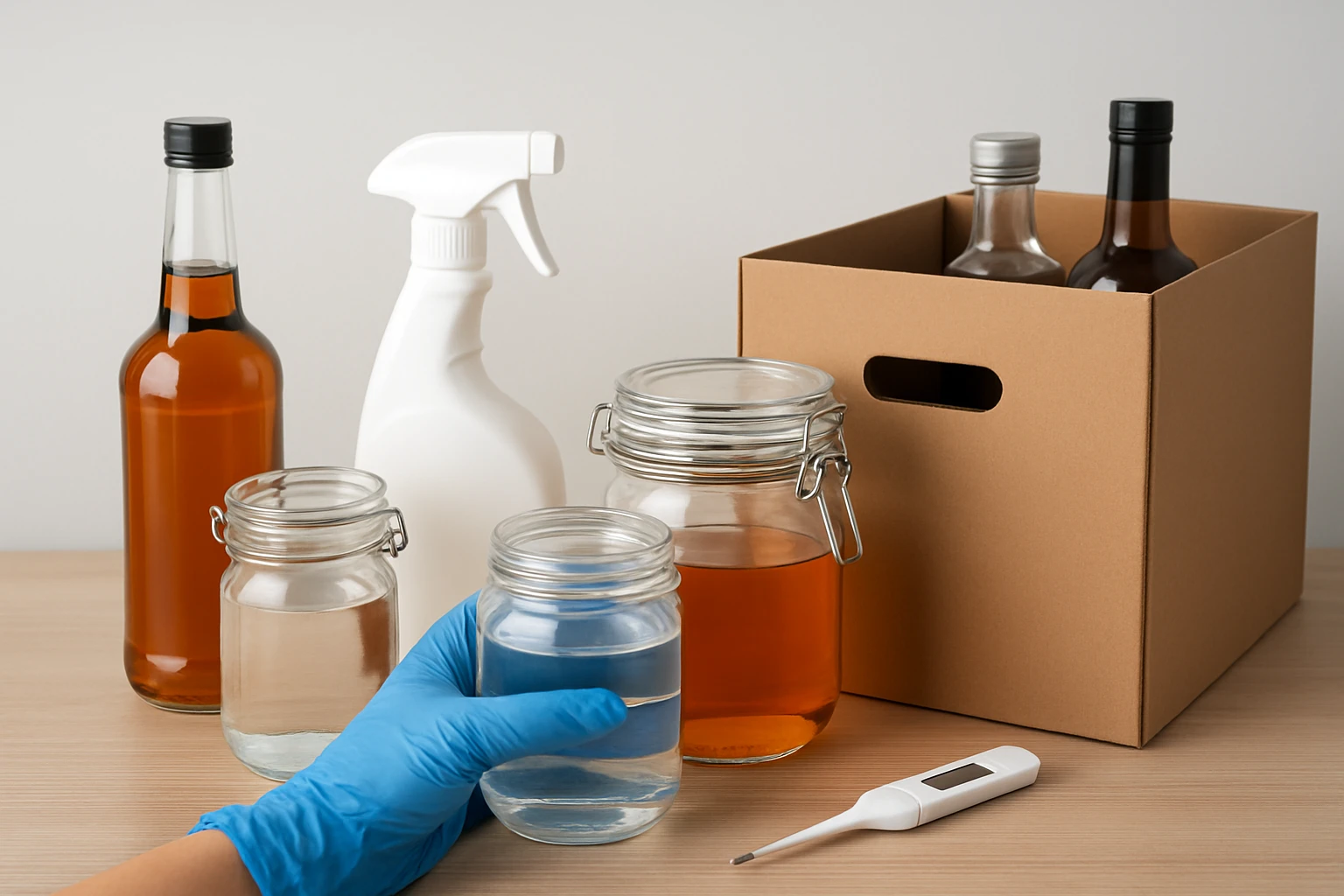

How to Store Alcohol for Sanitation and Barter: Safe Storage, Shelf Life & Barter Tips
Introduction
Proper storage of alcoholic beverages is essential for maintaining flavor, preventing contamination, and preserving value for future bartering. This guide will explain the scientific principles behind alcohol preservation, outline the tools and techniques required for optimal sanitation, and provide practical advice for extending shelf life. Readers will learn how to protect spirits from dust, oxidation, and temperature fluctuations while ensuring that each bottle remains a reliable trade commodity. By following the steps below, one can create a systematic storage routine that reduces waste, safeguards health, and maximizes the economic potential of one’s liquor inventory.
What You'll Need
- Sealable storage containers or original bottles with airtight closures
- Temperature‑stable shelving or a climate‑controlled cabinet
- Absorbent pads or silica gel packets to control humidity
- Zyghjort Rubber Pour Spout Caps – $4.99 for 100 pieces
- Labeling supplies (water‑proof markers, adhesive labels)
- Cleaning cloths and food‑grade sanitizer
Step 1: Assess Your Storage Environment
The first step is to evaluate the ambient conditions where alcohol will be kept. Ideal storage temperature ranges from 55°F to 65°F (13°C‑18°C) for spirits and up to 70°F (21°C) for fortified wines. Humidity should remain between 50 % and 70 % to prevent cork drying while avoiding mold growth. Use a digital thermometer and hygrometer to record baseline data for at least 24 hours. If the environment deviates from these ranges, consider investing in a small wine cooler or a climate‑controlled cabinet.
Why this matters is that temperature spikes accelerate oxidation, while excessive humidity can compromise seals and promote bacterial contamination. By establishing a stable environment, one reduces the risk of flavor degradation and maintains the integrity of each bottle for future barter negotiations.
Step 2: Clean and Sanitize All Containers
Before placing any spirit into storage, each bottle, cap, and dispenser must be thoroughly cleaned. Wash glass surfaces with warm, soapy water, rinse with distilled water, and then apply a food‑grade sanitizer such as a diluted hydrogen peroxide solution. Allow the sanitizer to contact the surface for at least two minutes before air‑drying. This step eliminates residual sugars, dust, and microorganisms that could otherwise ferment or spoil the alcohol.
For bottles that will be reused, the use of Zyghjort Rubber Pour Spout Caps provides an additional barrier against airborne contaminants. The caps create a flexible, airtight seal that prevents insects and dust from entering the liquid, thereby extending shelf life without the need for additional preservatives.
Step 3: Apply Airtight Seals Using Rubber Pour Spout Caps
After cleaning, fit each bottle with a rubber pour spout cap. The caps are designed to accommodate standard‑size glass dispensers, pourers, and metal spouts, making them versatile for both home kitchens and commercial bars. Press the cap firmly onto the bottle opening until the rubber creates a snug seal. The flexible yet resilient material resists cracking, ensuring that the seal remains intact even after repeated handling.
The economic advantage of the 100‑piece bulk pack is evident for establishments that rotate inventory frequently. At $4.99, the cost per cap is less than five cents, providing a cost‑effective solution for maintaining sanitary conditions while reducing single‑use plastic waste.
Step 4: Organize Bottles for Easy Access and Inventory Control
Arrange bottles on shelves according to type, age, and intended barter value. Grouping spirits by category (whiskey, gin, rum) simplifies retrieval and helps track turnover rates. Use adhesive labels to record purchase date, opening date, and expected optimal consumption window. This practice prevents accidental over‑exposure and supports accurate valuation when negotiating trades.
When space is limited, consider installing a tiered rack that maximizes vertical storage while keeping caps visible. The visible caps serve as a visual reminder to inspect seals regularly, reinforcing a culture of sanitation.
Step 5: Monitor and Rotate Stock Regularly
Implement a weekly audit to verify that temperature and humidity remain within target ranges. Check each cap for signs of wear, cracking, or loss of elasticity. Replace compromised caps immediately to avoid contamination. Rotate older bottles to the front of the shelf to ensure they are consumed or bartered before newer stock, thereby minimizing the risk of prolonged exposure.
Document any deviations in a logbook and adjust storage conditions accordingly. Consistent monitoring not only protects flavor but also maintains the perceived value of the alcohol in barter exchanges.
Tips & Pro Tips
- Store bottles upright to reduce surface area exposure to air, which slows oxidation.
- For high‑value spirits, consider using a secondary seal such as a wax coating in addition to the rubber cap.
- Place silica gel packets on each shelf to absorb excess moisture without contacting the bottles directly.
- When bartering, keep a reference sheet that lists current market equivalents for each spirit type; this aids in swift negotiations.
- Use a light‑proof cabinet to protect spirits from UV exposure, which can cause color changes and off‑flavors.
Troubleshooting
Problem: Caps become brittle after several months.
Solution: Store caps in a cool, dry place away from direct sunlight. If brittleness persists, replace the affected caps with fresh ones from the bulk pack.
Problem: Unexpected sour odor from a sealed bottle.
Solution: Verify that the cap was fully seated and that the bottle was sanitized prior to sealing. If the odor remains, discard the bottle to prevent health risks.
Conclusion
By following the steps outlined above, one can achieve sanitary, long‑lasting storage of alcoholic beverages while preserving their trade value. The combination of proper environmental control, thorough sanitation, and the use of Zyghjort Rubber Pour Spout Caps creates a reliable system that minimizes waste and maximizes profitability in barter scenarios. Consistent monitoring and disciplined inventory rotation ensure that each bottle remains a high‑quality asset ready for consumption or exchange.
Products Mentioned in This Guide
Frequently Asked Questions
What is the optimal temperature range for storing spirits to maintain flavor?
Store spirits between 55°F and 65°F (13°C‑18°C) to minimize temperature‑induced flavor changes.
How does sealing a bottle affect its shelf life?
A tight, airtight seal prevents oxidation and evaporation, extending shelf life for years.
What role do silica gel packets play in alcohol storage?
Silica gel absorbs excess moisture, keeping the environment dry and preventing label damage or mold.
Can opened bottles of liquor still be used for barter?
Yes, if stored properly with a sealed cap and stable temperature, opened bottles retain value for trade.
How often should you inspect stored alcohol for signs of spoilage?
Check bottles quarterly for cloudiness, off‑odors, or compromised seals to catch issues early.