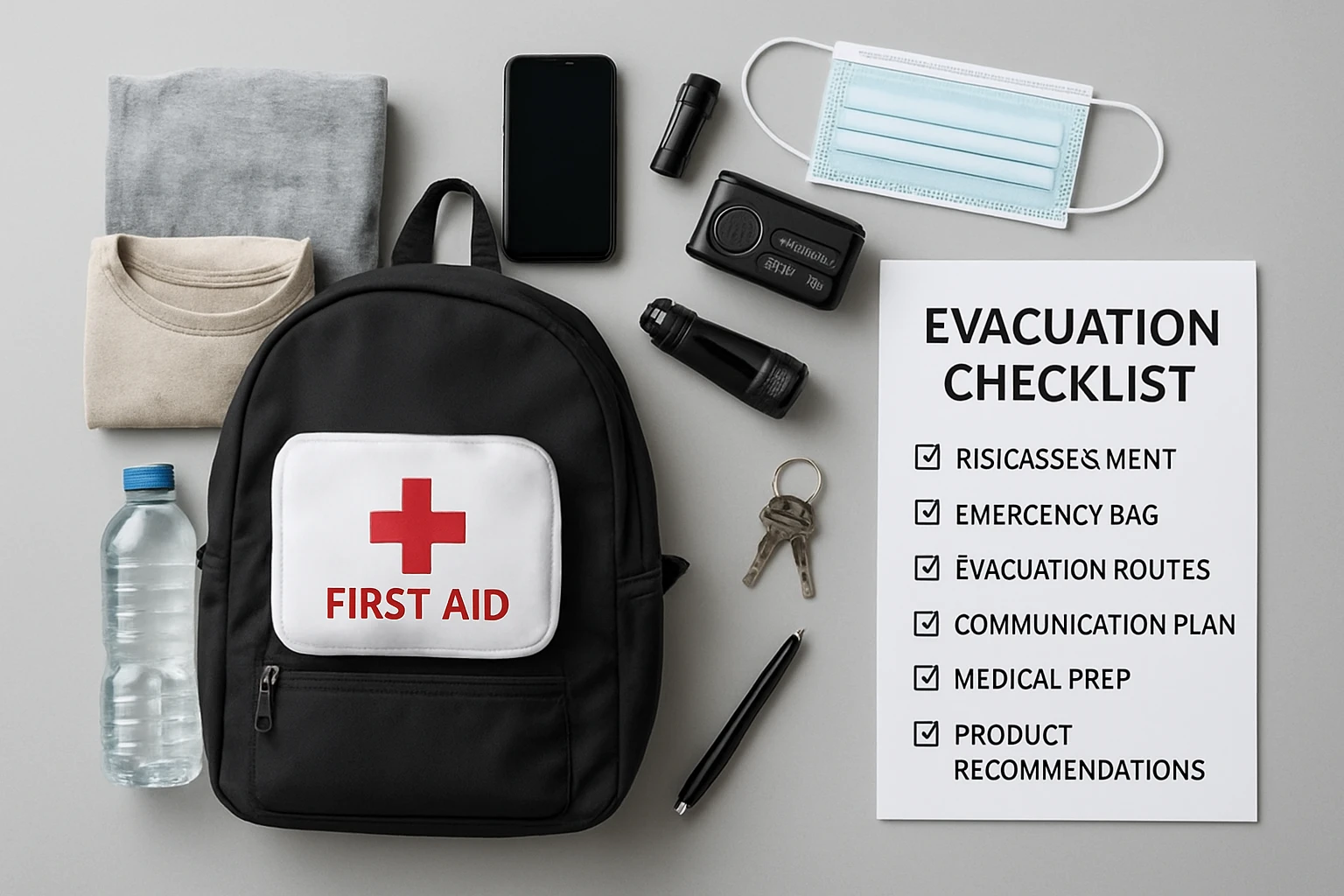
Ultimate Evacuation Checklist for Single Parents: A Step-by-Step Emergency Guide
Introduction
Single parents often face the dual challenge of protecting themselves while ensuring the safety of their children during an emergency. This guide outlines a systematic evacuation checklist that addresses both logistical and emotional needs. Readers will learn how to assess risks, assemble a portable emergency kit, plan evacuation routes, and maintain communication under pressure. By following each step, a single parent can increase confidence and improve outcomes in a crisis.
Background and Context
Emergency preparedness is grounded in the principle that the first seventy‑two hours after a disaster are critical for survival and well‑being. During this period, access to food, water, medical supplies, and shelter often determines whether a family can endure until external assistance arrives. Single parents must consider additional factors such as child‑specific medication, comfort items, and rapid decision‑making without a partner present. Understanding these fundamentals provides the foundation for an effective evacuation plan.
Assessing Risks and Creating a Family Plan
The first logical step is to identify the most likely hazards in the local area, whether they are earthquakes, hurricanes, wildfires, or civil disturbances. One should consult municipal emergency management websites, local news archives, and historical data to gauge frequency and severity. Once hazards are identified, a written family plan should be drafted, detailing meeting points, transportation options, and roles for each child. The plan should be reviewed quarterly and practiced at least twice a year to reinforce muscle memory.
Assembling an Emergency Bag
A well‑stocked emergency bag enables a single parent to evacuate quickly without forgetting essential items. The bag should be lightweight, durable, and organized with separate compartments for medical supplies, food, water, and comfort items. For comprehensive coverage, the RIKOJUXI Survival Kit offers 262 pieces of gear, including a first‑aid pouch, multi‑tool axe, shovel, fire starter, and a cross‑body bag with MOLLE straps for expansion. At $49.99 and a rating of 4.6 out of 5 from 1,162 reviewers, the kit provides a balanced mix of medical and survival tools suitable for both urban and wilderness scenarios.
In addition to a full‑scale survival kit, a dedicated first‑aid solution is advisable for home or workplace storage. The M2 BASICS First Aid Kit contains 350 pieces of medical supplies housed in a wall‑mountable hard case with dual layers for rapid retrieval. Priced at $42.88 and rated 4.7 out of 5 by 4,456 customers, this kit excels at organized, visible storage in a fixed location such as a kitchen or garage.
Both products complement each other: the RIKOJUXI kit travels with the parent, while the M2 BASICS kit remains stationed at a primary residence. Together they address the need for mobility and stationary preparedness.
Planning Evacuation Routes and Transportation
Effective evacuation requires pre‑identified routes that avoid known hazards and accommodate children’s mobility. Parents should map at least two primary routes and one alternate route using both personal vehicles and public transportation options. When possible, select routes that pass by schools, community centers, or churches that serve as designated shelters. Keeping a printed copy of the route, along with a digital backup on a smartphone, ensures accessibility even if cellular service is disrupted.
Transportation considerations include fuel level, vehicle capacity, and child‑safety seats. It is prudent to maintain a minimum of half a tank of fuel at all times and to store a spare tire, jack, and basic tools in the vehicle. For families without a car, a bicycle or stroller that folds compactly can be stored in the cross‑body bag of the RIKOJUXI Survival Kit, allowing rapid movement on foot when traffic is congested.
Communication Strategies for Single Parents
During an evacuation, maintaining clear communication with children and emergency services is paramount. Parents should create a contact sheet that includes phone numbers for local shelters, schools, relatives, and a designated out‑of‑area contact. This sheet should be laminated and stored in both the emergency bag and the home’s M2 BASICS First Aid Kit for quick reference.
In addition, a battery‑powered or hand‑crank emergency radio, such as the one included in the RIKOJUXI kit, provides real‑time updates when cellular networks fail. Teaching children how to use simple signals—such as a whistle or a brightly colored hand‑kerchief—can also aid in locating one another in crowded shelters.
Medical Preparedness and Child‑Specific Needs
Children often require medications, allergy treatments, and comfort items that differ from adult needs. The first‑aid pouch within the RIKOJUXI Survival Kit contains essential supplies such as bandages, scissors, and a tourniquet, but parents should supplement it with prescription medications, inhalers, and a copy of each child’s medical record. The emergency medical card included in the kit can be filled out with this information, allowing responders to administer appropriate care quickly.
The M2 BASICS First Aid Kit provides a sturdy, wall‑mounted repository for larger medical supplies, including splints, burn dressings, and extra gauze. Its dual‑layer design keeps items organized, reducing the time needed to locate specific supplies during an emergency.
Both kits together ensure that immediate trauma care and ongoing medical needs are addressed, reducing reliance on external medical facilities that may be overwhelmed.
Comparison and Selection Guide
| Feature | RIKOJUXI Survival Kit | M2 BASICS First Aid Kit |
|---|---|---|
| Primary Purpose | Portable survival and evacuation | Stationary medical supply storage |
| Item Count | 262 pieces | 350 pieces |
| Key Tools | Axe‑hammer, shovel‑pick, fire starter, tent, water bag | Bandages, gauze, antiseptic wipes, splints |
| Bag Type | Cross‑body MOLLE bag | Hard‑case wall mount |
| Price | $49.99 | $42.88 |
| Rating | 4.6/5 (1,162 reviews) | 4.7/5 (4,456 reviews) |
| Best For | On‑the‑go evacuation, outdoor emergencies | Home or workplace medical readiness |
Parents who require a mobile solution should prioritize the RIKOJUXI Survival Kit, while those seeking a comprehensive, organized medical cache for a fixed location will benefit most from the M2 BASICS First Aid Kit. In many cases, employing both kits provides the most resilient preparedness strategy.
Best Practices and Tips
- Rotate perishable items such as water purification tablets and food rations every six months to maintain effectiveness.
- Label all containers with contents and expiration dates using waterproof markers.
- Practice “grab‑and‑go” drills with children, emphasizing the importance of staying together and moving quickly.
- Store the M2 BASICS First Aid Kit at eye level in a location that is accessible to children in case of a minor injury.
- Regularly check that the MOLLE straps on the RIKOJUXI bag are secure and that no tools are loose.
Frequently Asked Questions
- What should a single parent do if the evacuation route is blocked?
- Identify the pre‑planned alternate route and proceed calmly, using the emergency radio in the RIKOJUXI kit to receive real‑time updates.
- How often should the emergency plan be reviewed?
- The plan should be reviewed quarterly and rehearsed at least twice a year to ensure familiarity.
- Can the RIKOJUXI Survival Kit be used for day‑to‑day outdoor activities?
- Yes, the kit’s durable tools and compact design make it suitable for camping, hiking, and other recreational outings.
- Is the M2 BASICS First Aid Kit suitable for children’s specific medical needs?
- The kit provides a solid foundation, but parents should add prescription medications, allergy epinephrine auto‑injectors, and child‑size bandages as needed.
- What power source should be used for electronic devices during an evacuation?
- A hand‑crank or solar charger, often included in comprehensive survival kits, ensures that phones and radios remain functional without reliance on grid power.
Conclusion
Preparedness for single parents hinges on clear planning, organized supplies, and practiced execution. By assessing risks, assembling a portable emergency bag, mapping evacuation routes, and maintaining robust communication, a parent can safeguard both themselves and their children. The combination of the RIKOJUXI Survival Kit and the M2 BASICS First Aid Kit offers a balanced approach to mobility and stationary medical readiness, addressing the unique challenges faced by single‑parent households.
Products Featured in This Guide
RIKOJUXI Survival Kit
Price: $49.99 | Rating: 4.6/5 (1,162 reviews)
Featured because it provides a comprehensive, portable set of survival tools, including a first‑aid pouch, multi‑tool axe, shovel, fire starter, and a MOLLE‑compatible cross‑body bag, making it ideal for single parents on the move.
M2 BASICS First Aid Kit
Price: $42.88 | Rating: 4.7/5 (4,456 reviews)
Featured because it offers a 350‑piece medical supply set housed in a durable, wall‑mountable hard case, ensuring organized, rapid access to essential first‑aid items in a home or workplace setting.